Load Newsreader Bold Font
What’s the best email marketing tool for creative business owners in 2026? For most photographers, designers, coaches, and service-based business owners, it comes down to four real contenders. Flodesk works for design-first brands, Kit (formerly ConvertKit) for creators selling digital products, MailerLite for budget-conscious solopreneurs just starting out, and Mailchimp for businesses already juggling other marketing tools. There’s no single universal winner, so the right choice depends on what your business actually needs from its inbox.
The “best” email marketing tool doesn’t have the most features. It’s the one that actually gets your emails written and sent, week after week, without making you want to throw your laptop at the concrete under your feet.
Photographers, designers, coaches, and other service-based business owners don’t need enterprise-grade marketing automation. They need something beautiful, simple, and forgiving enough to use at 9 p.m. after a full day of client work.
I’ve watched this same scenario play out with dozens of creative business owners over the years – a photographer who wants her monthly newsletter to feel as intentional as her portfolio, a coach who needs an automated welcome sequence but has never touched an “automation builder” in her life, a designer trying to sell templates without hiring a developer to wire up the tech. Every one of them just wants an inbox strategy that works quietly in the background while they focus on the actual creative work that pays the bills.
So here’s a breakdown of the platforms that I believe are worth your time in 2026, what they cost, who they’re built for, and where they fall short. Then we’ll talk about the one piece of this puzzle that most “best tools” lists skip entirely, the website your email list is actually driving traffic to.
Flodesk – Best for Design-First Brands
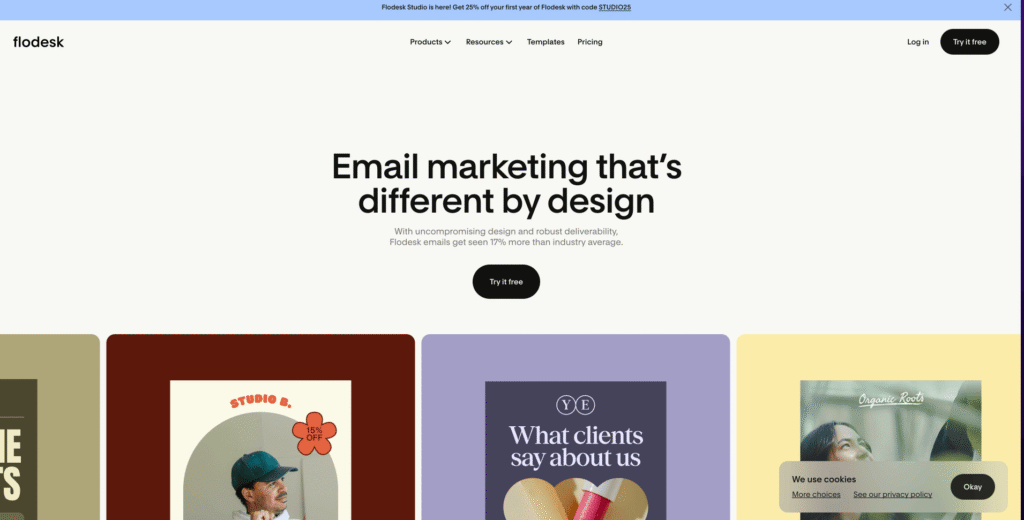
Flodesk is the pick for creative businesses that want their emails to look as intentional as their portfolio, no design skills required.
If your Instagram grid looks like a mood board and your business cards are laminated works of art, Flodesk was built with you in mind. It’s an email marketing tool where the templates look genuinely custom, not like every other newsletter cluttering your subscribers’ inbox.
Flodesk’s free plan lets you build unlimited forms, landing pages, and link-in-bio pages, and collect unlimited subscribers. You just can’t send emails.
To start sending campaigns, the Lite plan starts at $19/month when billed annually for up to 1,000 subscribers and includes unlimited email sends. Lite supports up to 25,000 subscribers, with pricing increasing as your list grows. The Pro plan adds unlimited automated workflows, advanced analytics, and additional branding and selling features.
Why it matters. A wedding photographer sending a monthly newsletter of recent shoots doesn’t need fifteen automation triggers. She needs an email that looks as polished as her portfolio, and Flodesk’s visual editor delivers that without a learning curve.
Where it falls short. Flodesk’s automation and segmentation tools are simpler than competitors, so if you’re planning complex funnels for digital products or courses, you might outgrow it. Worth knowing before you commit: Flodesk moved away from its old flat-rate pricing in December 2025, so it now scales with your subscriber count on every tier, the same as Kit and Mailchimp. Budget for that as your list grows past a few thousand subscribers.
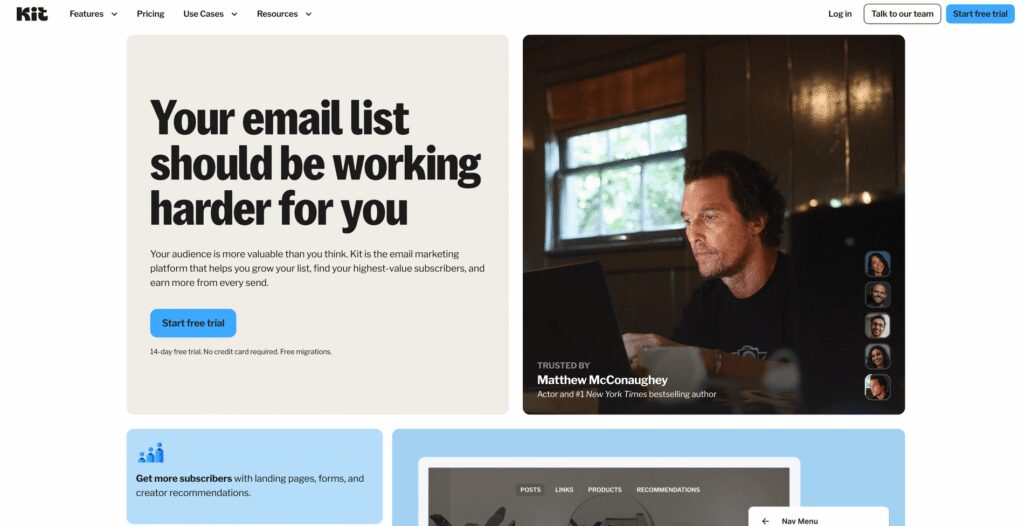
Kit (formerly ConvertKit) – Best for Creators Selling Digital Products
Kit is the pick if selling digital products, courses, or coaching spots is the actual plan behind your list.
Kit rebranded from ConvertKit a while back, but the bones are the same. This is the platform built specifically for people who sell things directly to an audience, courses, templates, presets, coaching spots.
Is Kit good for beginners? Yes. The free plan supports up to 10,000 subscribers with unlimited landing pages, forms, and email broadcasts, which is generous for a business just starting to build a list. The Creator plan (around $33/month) unlocks unlimited visual automations and email sequences, while Pro (around $66/month) adds subscriber-level analytics that show you exactly what content moves people toward a purchase.
Why it matters. A watercolor artist selling digital brush packs can build a sequence that automatically nurtures a new subscriber from “just downloaded a freebie” to “just bought the bundle,” without lifting a finger after setup. That’s the entire appeal, your list keeps working while you’re busy actually creating.
Where it falls short. The visual design options are more utilitarian than Flodesk’s. If a stunning, on-brand template is your top priority, Kit will feel a little plain by comparison. Plenty of creators solve this by pairing Kit’s automation strength with a simpler email template and putting their real design energy into the landing pages people click through to.
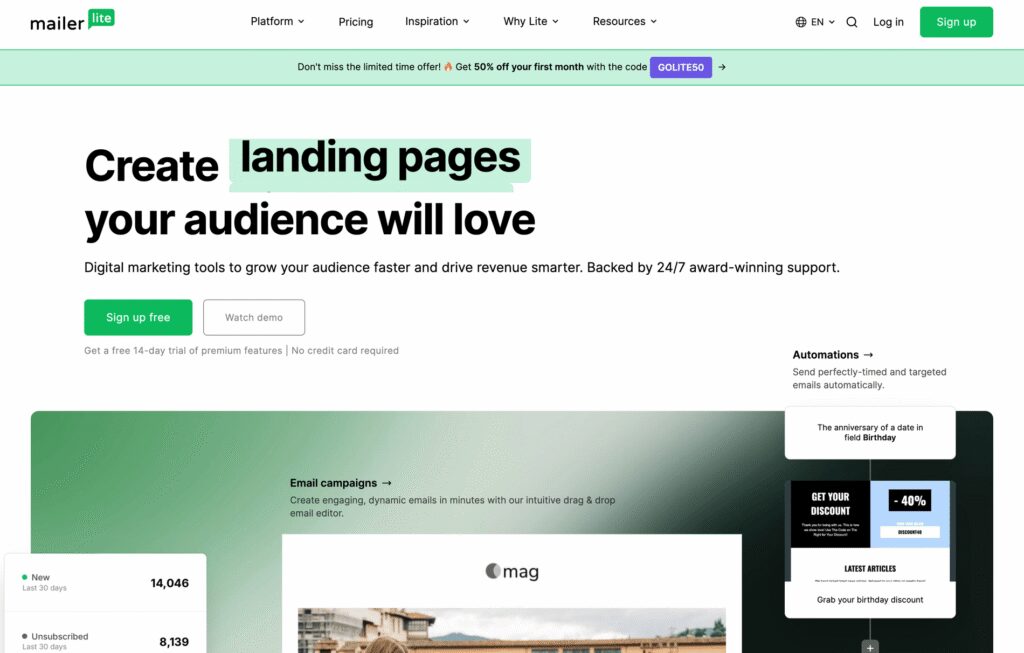
MailerLite – Best Budget-Friendly Option
MailerLite is the pick for creative businesses that want real automation and segmentation without paying for a design premium.
MailerLite deserves more credit than it usually gets. It’s often positioned as the “budget” option, but the feature set is genuinely competitive. You’re just not paying a design premium.
The free plan covers up to 250 subscribers with 2,500 monthly emails, three automations, and one landing page, plenty of room to test the waters. The Comfort plan starts around $12/month, and the Power plan (roughly $25/month) unlocks unlimited automations, forms, and monthly email sends. MailerLite’s philosophy is refreshingly simple. Pricing scales with your list size, not with which features you’re allowed to use, so even entry-level plans get the full toolkit.
Why it matters. A freelance graphic designer who’s still building her client base and watching every dollar can get real automation, segmentation, and landing pages without paying for capacity she doesn’t need yet. This is where a lot of solopreneurs should genuinely start.
Where it falls short. The interface, while functional, doesn’t have the same polish or intuitive drag-and-drop feel that design-forward creatives tend to gravitate toward. Templates can also feel a bit more generic out of the box, so expect to spend a little extra time customizing fonts and colors to match your brand.

Mailchimp – Best for Businesses Already Using Other Marketing Tools
Mailchimp is the pick if you’re already running your business through other platforms and want your email tool to talk to all of them.
Mailchimp is the platform most small business owners have already heard of, sometimes for better, sometimes because they remember fighting with it in 2019. It’s evolved considerably, now folding in generative AI features and over 300 integrations across its paid tiers.
The free plan tops out at 250 contacts and 500 monthly sends, which disappears fast. Essentials starts around $13/month, Standard around $20/month (adding multi-step automation, predictive segmentation, and send-time optimization), and Premium climbs to roughly $350/month for businesses with large lists and complex needs.
Why it matters. If you’re already running ads through Meta or managing e-commerce through Shopify, Mailchimp’s integration ecosystem means your email marketing doesn’t live on an island. It talks to almost everything.
Where it falls short. Mailchimp’s pricing jumps get steep quickly as your list grows, and the platform can feel more complex than a solo creative entrepreneur actually needs. If your business is genuinely simple, one offer, one audience, one clear goal, Mailchimp can feel like bringing a full toolbox to hang a single picture frame.
How Do You Actually Choose Between Them?
Here’s my honest advice, stop trying to find the “perfect” tool and pick the one that matches how you actually work right now. Design matters most to you? Start with Flodesk. Selling digital products is the whole plan? Kit. If budget is tight and you need flexibility, try MailerLite. But if you’re already deep in another ecosystem, give Mailchimp a try.
None of these choices are permanent. Migrating an email list later is annoying but absolutely doable, it is not a life sentence. I’ve made the switch myself between platforms more than once, and every single time, the list survived just fine. The subscribers who actually open your emails don’t care what software sent it. They care whether you showed up. Pick one, send the email, and stop treating this decision like it’s more important than the actual relationship-building your list is for.
Frequently Asked Questions
What is the best email marketing tool for photographers?
Flodesk is usually the strongest fit for photographers, since its templates already look like a polished, on-brand portfolio piece. Kit is worth considering instead if you’re selling presets, guides, or digital products alongside your photography.
Is Flodesk or Kit better for a creative business?
Flodesk wins on visual design and is the better pick if your emails need to look custom and on-brand. Kit wins on automation and is the better pick if you’re selling digital products, courses, or coaching directly to your list.
What’s the cheapest email marketing tool for a small creative business?
MailerLite is the most budget-friendly option, with a genuine free plan and paid tiers starting around $12 a month. Its automation and segmentation tools are real, you’re just not paying for Flodesk-level design polish.
Can I switch email marketing platforms without losing my subscribers?
Yes. Migrating a list between platforms is annoying but standard practice, and your subscribers stay with you through the switch. The relationship lives in your list, not in whichever software happens to be sending the emails.
Do I need email marketing if I already have a strong Instagram following?
Yes. A social platform can change its algorithm and cut your reach overnight, but your email list can’t be taken away from you. It’s the one channel in your marketing that you actually own.
Your Email List Is Only as Good as Where It’s Sending People
Even the most gorgeous, perfectly automated email in the world is only doing half the job if it links back to a website that doesn’t match its energy. Your email marketing tool is the messenger. Your website is the destination, and it needs to feel like the same brand and the same creative vision your subscribers just fell for in their inbox.
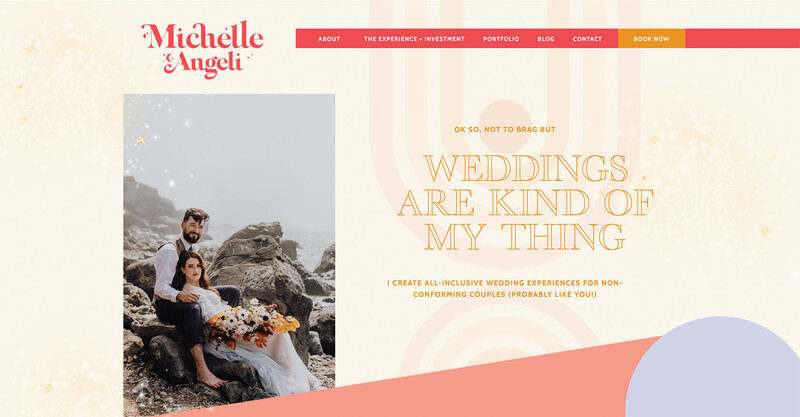
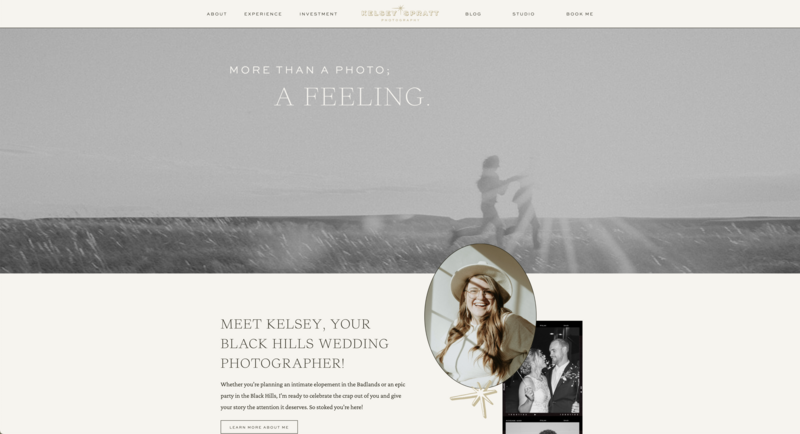
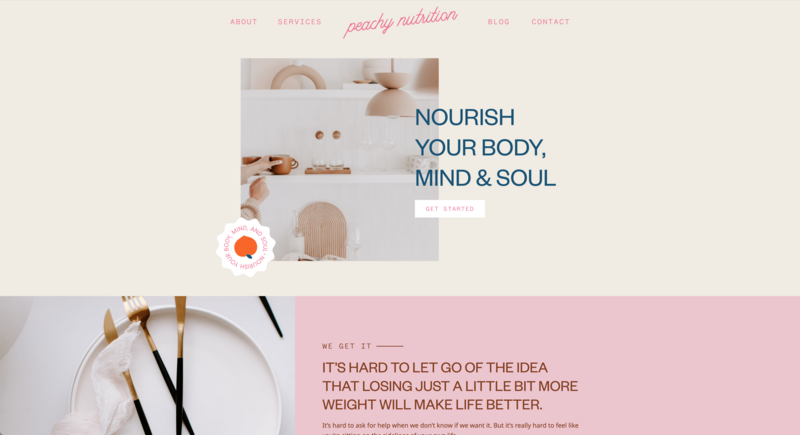
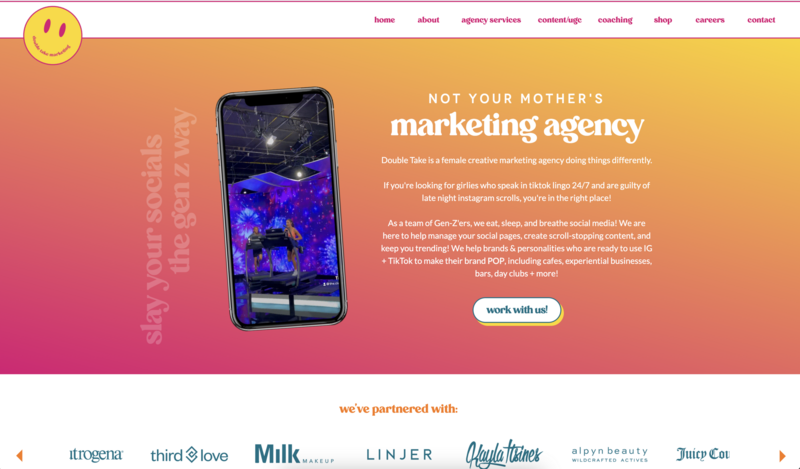
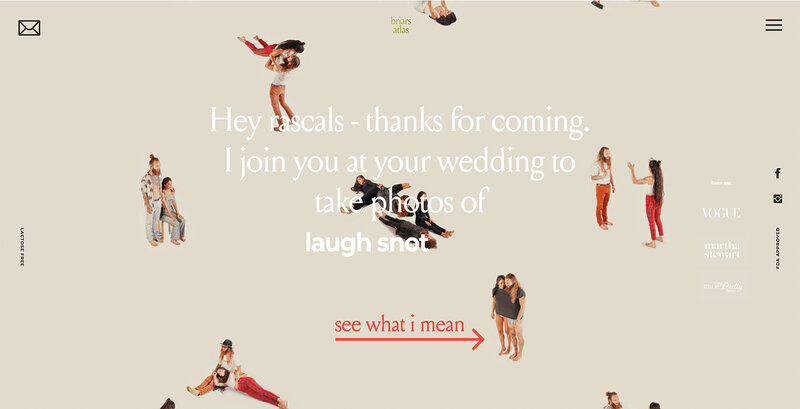
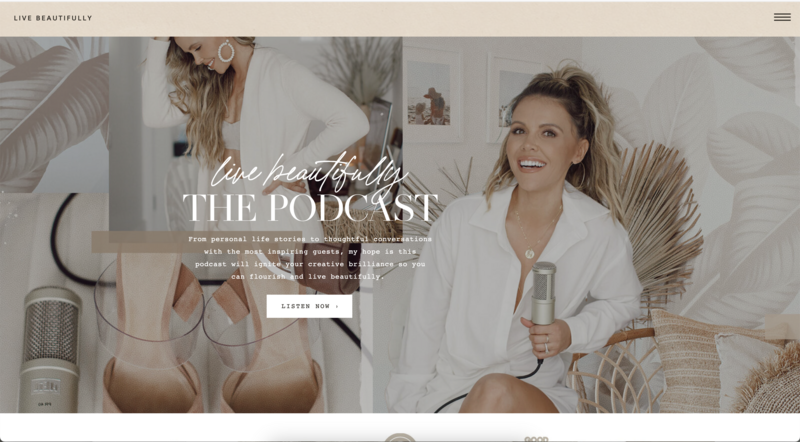
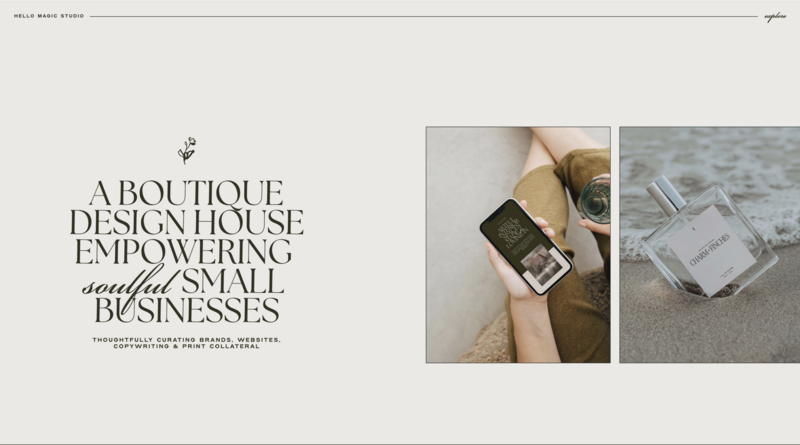
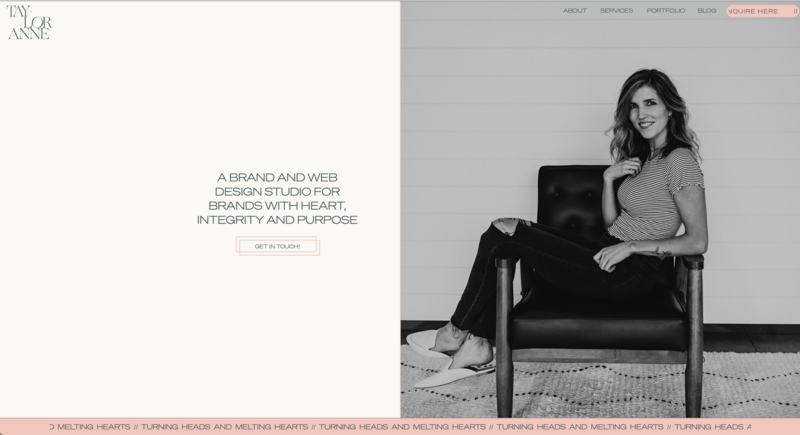
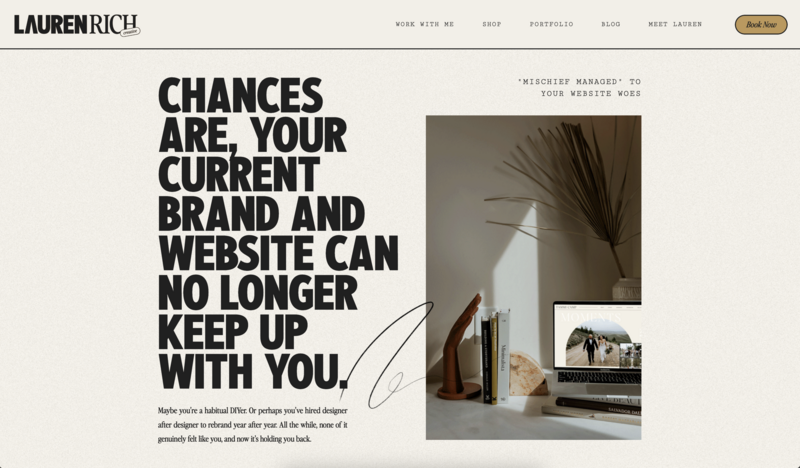
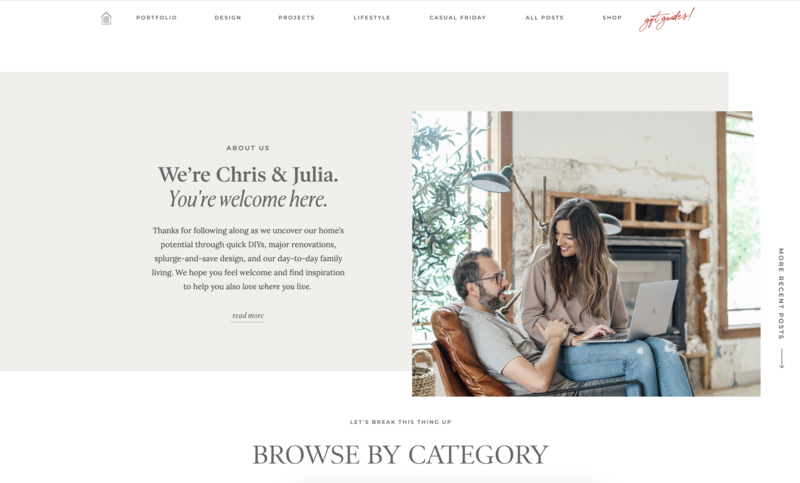
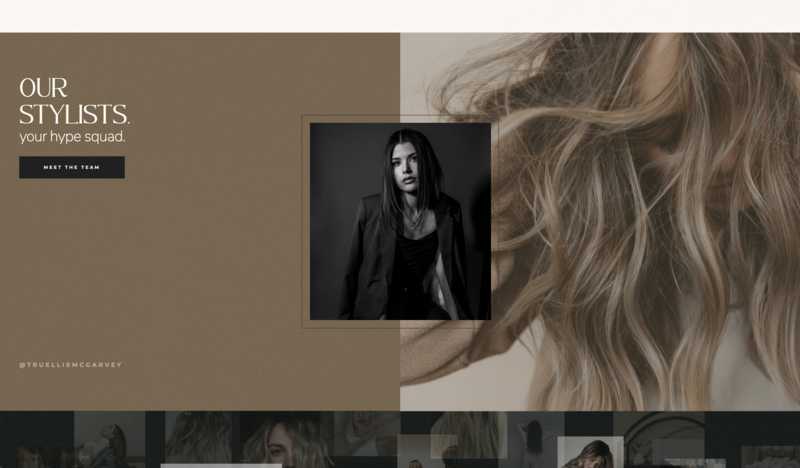
That’s exactly where Showit earns its place. Unlike rigid, template-locked builders, Showit gives creative entrepreneurs true pixel-level design freedom, no coding required, no fighting a grid that wasn’t built for how you actually want your work to look. Whether you’re a photographer whose portfolio needs to breathe, a designer whose site should look like a client project, or a coach whose brand voice needs full creative room to show up visually, Showit lets your website match the caliber of the emails you’re already sending.
Ready to give your subscribers a landing spot as beautiful as the email that brought them there? Try Showit free for 14 days and see why thousands of creative business owners trust it to bring their most creative visions to life.

Sarah has been part of the Showit team for nearly four years, where she works as a copywriter crafting content that educates, encourages, and celebrates the creative entrepreneurs who make up the Showit community. When she's not writing, you'll find her with a book in hand (usually something about leadership or personal growth), cheering on Arizona sports teams, or connecting with people over a really good cup of coffee because, let's be honest, there's always a cup nearby. Sarah believes in the power of stories, the importance of showing up authentically, and that every entrepreneur deserves to be celebrated for the brave work they're doing.