Load Newsreader Bold Font
When’s the last time you made a decision, not just as a default, but intentionally, about how you spend your time, your energy, your money?
Hopefully it wasn’t too long ago. But if you can’t remember because life has been “life-ing,” because the to-do list only seems to have urgent items so everything takes priority and very little gets done, I want to encourage you: you are not alone.
Most of us are running on autopilot, moving from one task to the next without ever stopping to ask if any of it is actually what we want.
That gap, between what we’re doing, how we’re doing it, and why we’re doing it, is what designer, teacher, and creative business coach Dan Mall has spent years learning to close.
He’s run an agency, built a pricing and confidence coaching practice, and spent years pushing a whole community of creatives to rethink value and boundaries. If you ask him what connects all of it, his answer isn’t ambition or hustle. It’s intention.
“Design’s just doing a thing on purpose,” Dan says. It sounds almost too simple to matter. But once you start looking for it, you notice how rarely people, even talented, capable ones, actually operate this way. That one shift, from reacting to deciding, is the thread that runs through everything from how Dan structures his calendar to how he walked away from a thriving ten-year agency while it was still good.
Design Is Doing a Thing on Purpose
You might be asking what design has to do with purpose.
Most of us think of design as something that happens to a website or a logo. Dan sees it differently. Design is a way of making decisions.
It can apply to the education system or to how you structure a Tuesday afternoon. The moment you start treating your business, your schedule, or your career as something you’re actively designing, rather than something happening to you, you stop asking “is this fine” and start asking “is this what I want.”
This matters because a lot of dissatisfaction in business and life doesn’t come from making the wrong choice. It comes from never realizing a choice was available in the first place. Dan puts it this way: he’s always had “both the pressure and the freedom” to pick what he wanted to do, and that freedom came with a harder question buried inside it. What do I actually want? That’s a question a lot of people don’t get the luxury of sitting with. But even in constrained circumstances, there’s usually more room to choose than it feels like.
Making a decision on purpose means pausing before saying yes, or no, because that’s what you’ve always done, or staying somewhere because leaving feels unthinkable, and actually weighing whether this is the version of your life you’d choose if you were starting today.
Choosing Your Hard
If you’re reading this while wondering how anyone finds room for intention when money is tight and the bills don’t care about your feelings, there’s an answer to that too, and it’s more grounded than “just follow your passion.”
“You get to choose your hard,” Dan says. “You don’t get to choose between easy and hard all the time. It’s just different kinds of hard, but you still get to choose that.” Maybe you can’t choose to live anywhere in the world. Maybe you can’t walk away from a client tomorrow. But within the range of options actually available to you, there’s almost always a choice about which flavor of difficult you’re willing to live with.
Dan pairs that encouragement with some tough love. A lot of people underestimate how much agency they actually have. “I don’t have any choice here” is rarely the full truth, he says. It’s usually “I haven’t looked closely enough at what my choices actually are.” The more you understand that you do have agency, even limited, imperfect agency, the more freedom opens up, because now you’re picking between two real options instead of just enduring the one that found you.
Walking Away From Something Good
Most advice about quitting assumes you’re leaving something bad. Dan ran a design agency for ten years. It was profitable. The clients were great. It was, by every external measure, working.
And he shut it down anyway.
“So many people, especially agency owners, would message me and say, ‘How did you stop running an agency?'” Dan recalls. “And I’m like, ‘I did.’ And they’re like, ‘How do you get to do that?’ I’m like, ‘Do you think that you can’t?'” Most people, when he pushed on it, admitted they didn’t think they had that option, even when nothing was actually stopping them except the discomfort of the decision itself. Full-time staff, client relationships, years of identity wrapped up in the business, those are real obstacles, Dan agrees. But real obstacles and impossible situations aren’t the same thing. “It’s a hard option to pick, but it’s not an impossible one.”
The agency wasn’t broken. It was just no longer in alignment with where Dan wanted to go next. If you run a creative business, remember that you’re allowed to end a chapter because you’re ready for the next one. It doesn’t have to be failing first.
The Guilt of Quitting Something That’s Working
Creatives, in particular, carry a specific kind of guilt when they step away from something that looks successful from the outside, and it’s a guilt that doesn’t get talked about much. What’s interesting, and very real and common, is that so much of that hesitation is extrinsically motivated. What will people think? How will it look?
“Especially for creators, a lot of the work we do is so public,” Dan says. “And when we make decisions, it has ramifications publicly.” That external pressure can get loud enough to drown out what you actually feel. You can end up running a business that looks great on Instagram and is quietly wearing you down in private. Dan has watched creative friends carry that mismatch for years, and his read on it is blunt. “What kind of life is that?”
You don’t have to stop caring what people think overnight. You actually can’t. It’s a journey and a new habit you have to build. Instead, you just have to notice when the internal feeling gets loud enough that it can’t be ignored, and trust that signal even when it’s inconvenient. The exhale on the other side of that decision, the moment the guilt lifts and you realize you don’t need everyone’s approval, tends to be worth the discomfort of getting there.
Depth Beats Speed
Intention is the philosophy. Depth is how Dan actually practices it. He describes himself as someone who’s more focused on going deep into a decision than moving fast through it, and his advice for building that muscle is refreshingly unglamorous. You have to try the thing before you know if you’re passionate about it.
How do you know if you’re passionate about pasta making if you don’t do pasta making?
Popular advice tells you to follow your passion, which assumes the passion shows up first. Dan’s experience says it’s often the reverse. You go deep enough into something, whether or not it’s professionally relevant, and the passion develops as a side effect of the depth. Running his agency for ten years, longer than any job he’d held before, gave him room to essentially create three or four different roles inside his own company as his interests shifted. That kind of discovery doesn’t happen on a three-year timeline. It happens when you give yourself permission to stay in something long enough to find its nooks and crannies.
Depth requires unlearning as much as learning, which means you’ve got to give yourself time and a lot of grace. There are trauma skills, habits and instincts that got you to where you are but won’t necessarily get you to what’s next.
Most of the time, what got you here won’t get you there. Sometimes leveling up means working harder. But sometimes, counter-intuitively, it means working half as hard and unlearning the grind that used to feel like the only path forward.
Structuring Your Day Around Energy, Not the Calendar
So how do you actually find your passion, follow it, and live with purpose without wasting time?
Two words. Default blocks. On your calendar, block time instead of scheduling every second of the day to a specific task. Then check in constantly with a different question. Do I actually have the energy for this right now?
Different tasks draw on different kinds of energy, and spending the wrong kind at the wrong moment leaves nothing for what comes next. So give yourself permission to move things around, to skip what you’d planned, to prioritize what’s calling for attention that day instead of forcing a rigid script.
“There’s always a list of things you are not going to get to,” Dan says. “It’s just I’m moving things around, like designing.” Layout, energy, time, allocation. It’s all the same skill of arranging pieces until the whole thing works.
A $10,000 Check That Changed How Dan Thinks About Money
Dan’s clearest money story is also his most counterintuitive. Freelancing on the side of a full-time job, already booked six months out, a new client wanted in. Rather than turn them down outright, Dan quoted a number designed to make them disappear. An additional $10,000, not a deposit, just to hold a date eight months away. He wrote it into a contract. He sent an invoice. He was certain there was no way anyone would say yes.
A few days later, a check for $10,000 showed up in his mailbox.
“I couldn’t quantify it,” Dan says. “What’s the hourly rate on that? There’s no hourly rate, because I wasn’t even spending any hours.” The purchase made no rational sense by any pricing framework, and that was exactly the point. The client wanted to work with Dan badly enough that the number didn’t matter. People pay for things irrationally more often than we like to admit, Dan argues, and understanding that should shape how creatives think about pricing. What looks irrational to the seller can be completely rational to the buyer, because people buy emotionally, not on a spreadsheet.
The lesson reshaped how Dan thinks about value. When someone’s that invested in working with you, over-delivering doesn’t feel like a burden. It feels like the least you can do.
Frequently Asked Questions
What does it mean to run your business “on purpose”?
It means making decisions actively instead of by default, choosing what you charge, what you work on, and how you spend your time based on what you actually want, rather than what’s simply expected or familiar.
How do you know when it’s time to walk away from a business that’s working?
Dan’s take is that a business doesn’t have to be failing for you to leave it. If it’s no longer in alignment with where you want to go next, that’s reason enough. The signal is usually an internal feeling that gets too loud to keep ignoring.
How do I stop running my business on autopilot?
Start by using default calendar blocks instead of scheduling every task in advance, then check in with your energy in the moment and let that guide what you actually work on.
Why would a client pay far more than a job is worth?
People often buy emotionally rather than logically. When someone wants to work with you badly enough, the price stops being about an hourly rate and becomes about how much they value the relationship.

Designing the Business and Life You Actually Chose
Design is doing a thing on purpose. That’s the whole idea, whether you’re deciding what to charge a client, whether to keep running a business that’s succeeding on paper but draining you in private, or how to structure the next four hours of your day.
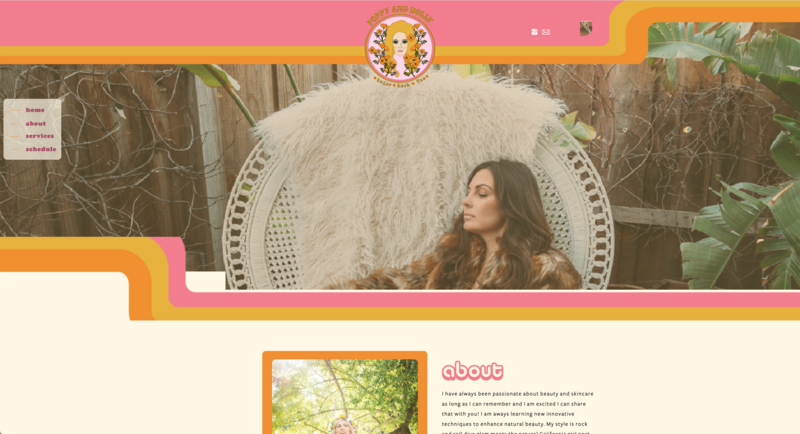
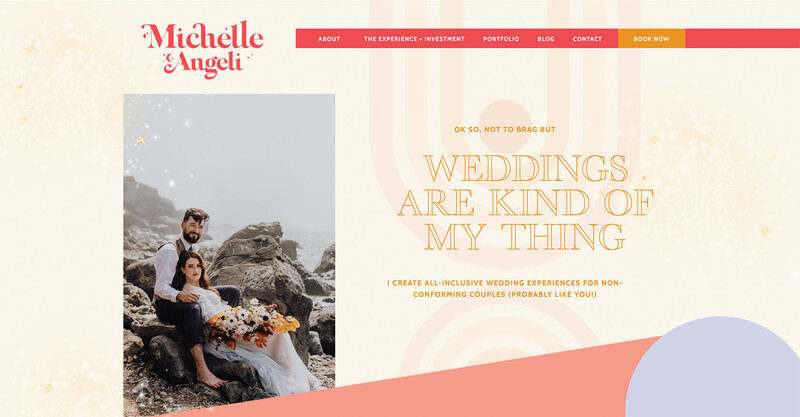
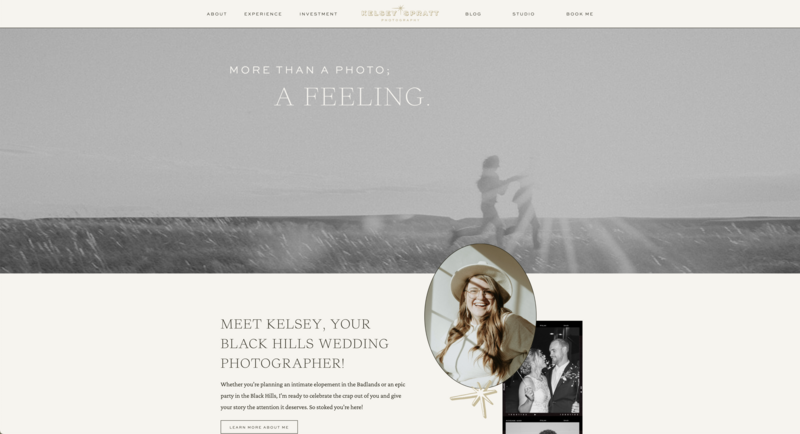
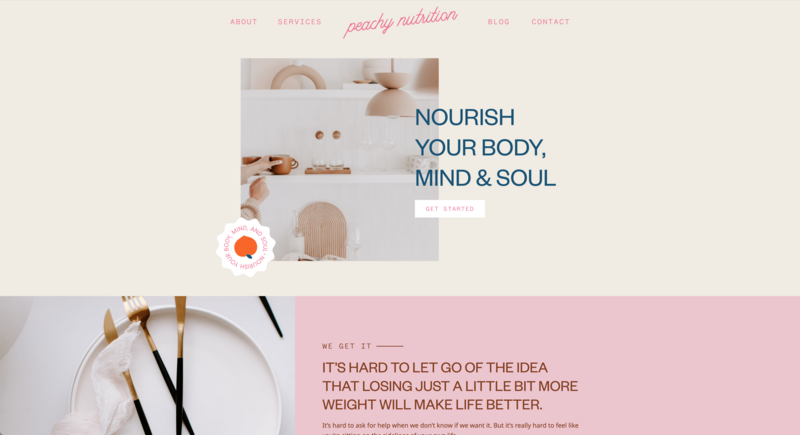
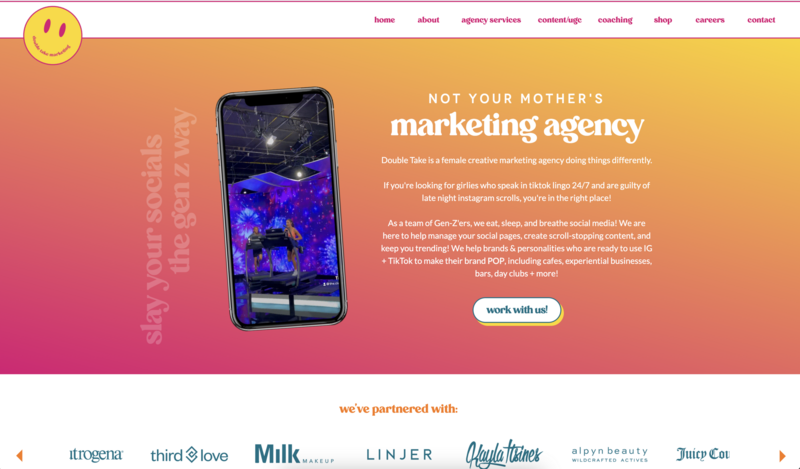
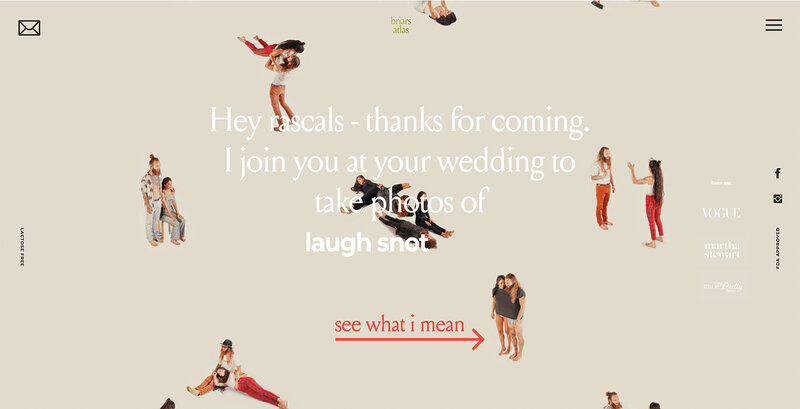
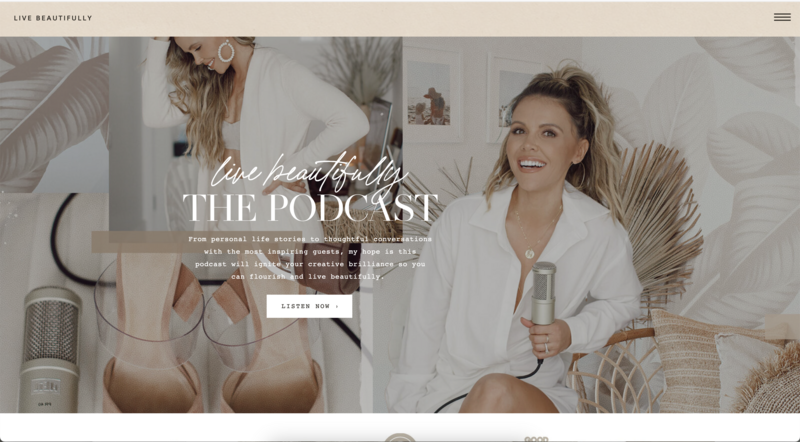
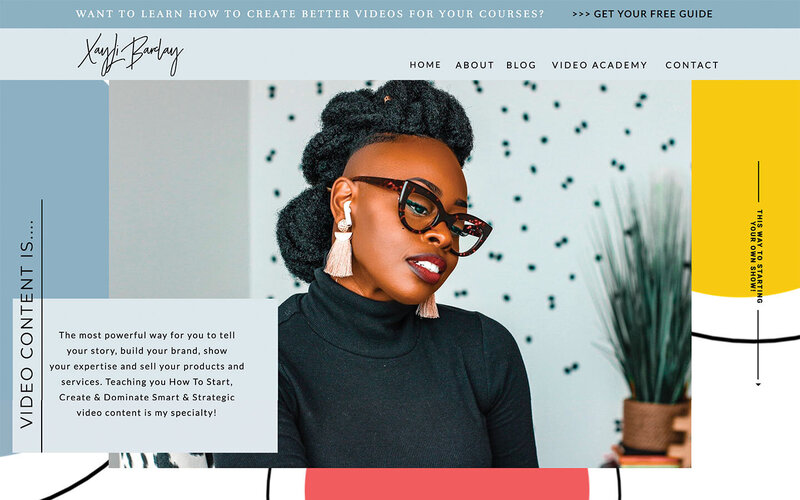
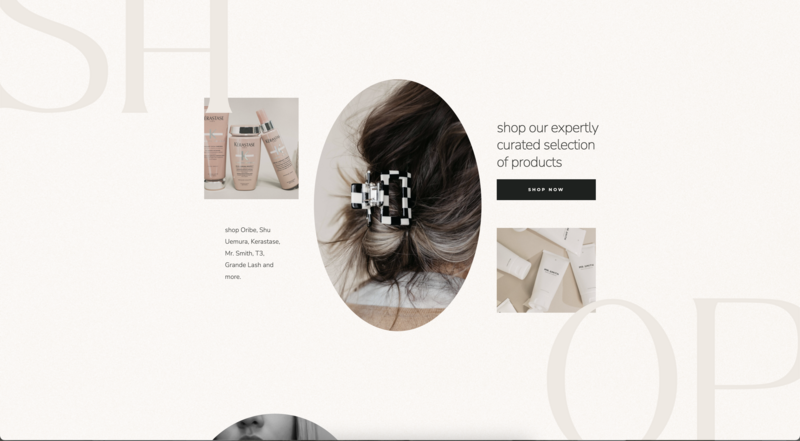
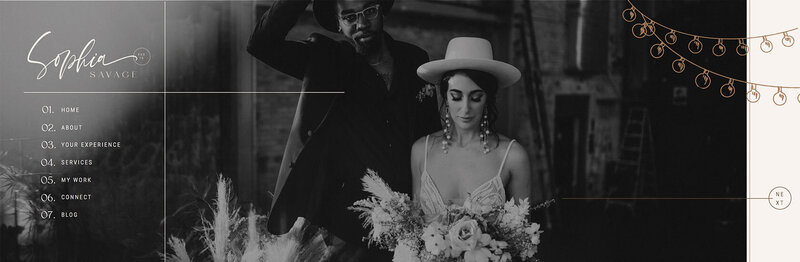
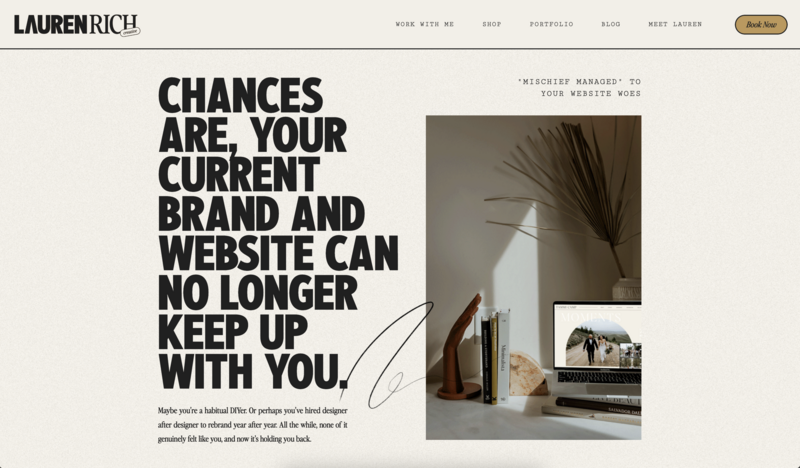
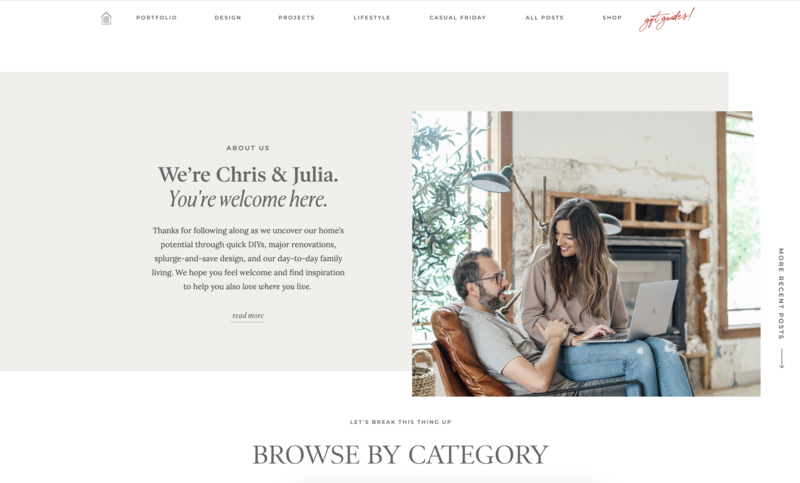
Your website deserves that same intention. If you’re building something that’s supposed to represent years of hard-won clarity about who you are and what you offer, it shouldn’t be fighting you the whole way. Showit’s drag-and-drop design freedom means you can build a site that actually looks like the decisions you’ve made on purpose. No code. No rigid templates standing between your vision and what visitors see.
Ready to build something that reflects the business you’ve intentionally created? Try Showit free for 14 days and see why thousands of creative entrepreneurs trust it to bring their vision to life.

Sarah has been part of the Showit team for nearly four years, where she works as a copywriter crafting content that educates, encourages, and celebrates the creative entrepreneurs who make up the Showit community. When she's not writing, you'll find her with a book in hand (usually something about leadership or personal growth), cheering on Arizona sports teams, or connecting with people over a really good cup of coffee because, let's be honest, there's always a cup nearby. Sarah believes in the power of stories, the importance of showing up authentically, and that every entrepreneur deserves to be celebrated for the brave work they're doing.