Load Newsreader Bold Font
Have you noticed that when you search for something on Google, you don't even have to click a website anymore? The answer is just sitting right there at the top.
That's because zero-click search is real, and it's growing.
Semrush's State of Search report found that zero-click search traffic is increasing and now accounts for roughly 27.2% of search traffic in the US, up from 24.4% in March 2024. Google is pulling answers straight from websites and displaying them in featured snippets, knowledge panels, and local packs, which means fewer people are actually clicking through to your site.
So as a small business owner, how do you get found when you're competing with massive brands and an algorithm that keeps changing? The answer is local SEO. Here's 3 steps to help you master local SEO for small businesses and get found by the people who live closest to you.
What Is Local SEO, and Why Does It Matter for Your Business?
Local SEO is the practice of optimizing your online presence so your business shows up when people nearby search for what you offer. Instead of competing for a broad, national keyword, you're competing to be the obvious answer for someone searching in your specific city or region. For creative entrepreneurs like photographers, coaches, and other service-based businesses, that local visibility often matters more than ranking for a huge, generic term you'll never win anyway.

Step 1: Get Your Google Business Profile Working for You
If you do only one thing from this article, let it be this. Set up and optimize your Google Business Profile. Google treats this listing like a directory for local businesses, and it's one of the biggest ranking factors in local search results.
Here's what that actually looks like in practice.
Set up and verify your listing. If you're not verified, your business won't show up in search results at all, and that's a missed opportunity you can fix in one sitting. Google's own verification documentation walks through the process for your specific business type.
Keep your NAP consistent. NAP stands for name, address, and phone number, and it needs to match exactly across your website, your Google profile, and every directory you're listed on. Google is not a fan of inconsistencies. If your address is formatted one way on your site and another way on your profile, it can actually hurt your rankings.
Fill in every field, especially hours. If there's a field to fill, fill it. Keep your business hours current, including holiday closures or special event hours, so your profile always reflects reality.
Choose the most specific category available. If you're a wedding photographer, don't just pick “photographer.” Choose wedding photographer or engagement photographer instead. The more specific you are, the better Google can match your business to the right searches.
Add high-quality photos. Showcase your space, your work, or your team. People trust what they can see, and the more visually appealing your profile is, the more engagement it gets, which tells Google your business is worth ranking higher.
Ask for reviews. The more positive reviews you have, the better your odds of ranking above competitors. A simple ask, something like “would you mind leaving us a quick review,” goes a long way, and you can link directly to your profile to make it easy.
List your amenities. Free wifi, a kid-friendly space, whatever makes your business distinct. Small details like this help you stand out.
Keep the profile active. Don't set it and forget it. New photos, updates, and responses to reviews signal to Google that your business is alive and worth showing to more people.
Step 2: Build Local Keywords Into Your Website's SEO
Once your Google Business Profile is working for you, it's time to look at your website's own SEO.
Most businesses already understand the basics of keyword targeting. If you run a dog grooming business, you might optimize for something like “same day mobile dog grooming.” But local SEO means going a step further and including your location, so it becomes “same day mobile dog grooming in Boise, Idaho.”
The keywords that work best here are longtail keywords, meaning longer, more specific phrases that face less competition but still attract solid, high-intent traffic. Google's Keyword Planner is a free place to start. Type in ideas related to your business, check the search volume, and look for terms with lower competition but clear buyer intent.
This is where location makes the real difference. Instead of targeting “best maternity photographer,” you'd tweak it to “best maternity photographer in Dallas, Texas.” That tells Google exactly where you are and helps match you with the right nearby searches.
If you serve more than one area, consider building dedicated landing pages for each city rather than one generic service page. A wedding photographer serving multiple markets might build separate pages for “wedding photography in Austin” and “wedding photography in San Antonio” rather than trying to rank one page for both.
Step 3: Earn Local Backlinks That Build Authority
Local SEO isn't only about optimizing your own website. It's also about getting other people and other sites to talk about your business.
Local news sites and your city's chamber of commerce are a good place to start. Many communities have directories or local publications that love highlighting small businesses, and a simple press release or outreach email can lead to a valuable backlink. Sponsoring or collaborating with local events and charities works the same way. Whether you donate a service, offer a discount, or help organize an event, local event pages and nonprofit sites often link back to their sponsors, which helps your SEO while supporting your community.
Make sure your business is also listed on the major directories, places like Yelp, Bing Places, and Apple Maps. Keep your NAP consistent across every single one, the same way you did with your Google Business Profile. Consistency across platforms sends a strong signal to Google that your business is legitimate.
Local influencers are another underused option. They already have an audience in your area, and getting a mention, a review, or a shoutout from them can build trust and visibility fast.
What If Your Town Is Too Small for Local SEO to Work?
It's a fair worry, but being in a smaller town can actually work in your favor. There's less competition, which means you're more likely to rank at the top when someone nearby searches for what you do.
If you're still concerned your area is too small to generate enough search volume, regional SEO is worth trying instead of hyper-local. Rather than optimizing for one town, target your broader region. A groomer near Tampa Bay might optimize for “best dog groomers near Tampa Bay” alongside a few of the surrounding cities, rather than betting everything on one town's search volume. Some businesses even rent a small office in the nearest larger city so they show up in search results for that bigger audience, even if most of their work happens elsewhere.
Frequently Asked Questions
What is local SEO?
Local SEO is the process of optimizing your website and online listings so your business shows up when people search for what you offer in your specific area. It combines your Google Business Profile, location-based keywords on your site, and backlinks from local sources.
How long does local SEO take to show results?
Most businesses start seeing movement within a few months of consistent effort, though timelines vary based on your industry and competition. Google Business Profile updates tend to show impact fastest, while backlinks and content typically take longer to build authority.
Is local SEO worth it for a one-person business?
Yes, and it often matters more for smaller businesses than larger ones. You're not trying to outrank national brands for broad terms, you're trying to be the obvious answer for someone searching nearby, which is a much more winnable fight.
What's the difference between local SEO and regular SEO?
Regular SEO focuses on ranking for broad, often national search terms. Local SEO adds location as a core part of the strategy, through your Google Business Profile, location-specific keywords, and local backlinks, so you show up for people searching near you specifically.
Do I need a website for local SEO to work?
Your Google Business Profile can help you show up in local search on its own, but a website gives you somewhere to send that traffic, build location-specific pages, and control your own story instead of relying entirely on a third-party listing.
Bringing Local SEO Back to Your Website
Local SEO gives creative entrepreneurs a real way to compete for the customers closest to them, without an ad budget to match the bigger players. A Google Business Profile, location-based keywords, and a handful of local backlinks can move the needle more than chasing broad, high-volume terms you were never going to win anyway.
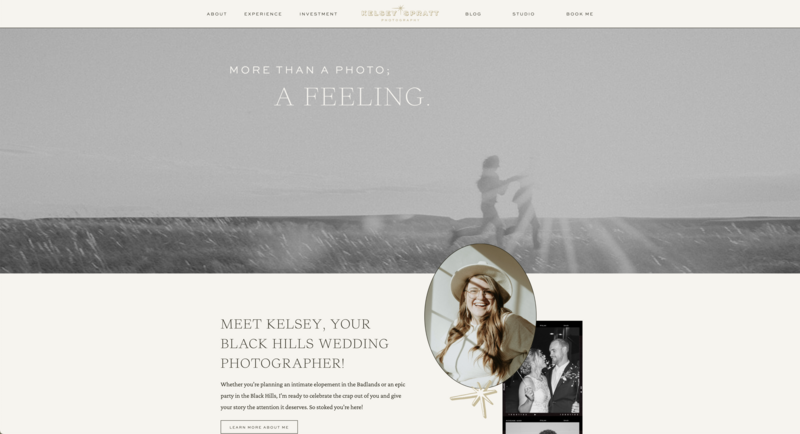
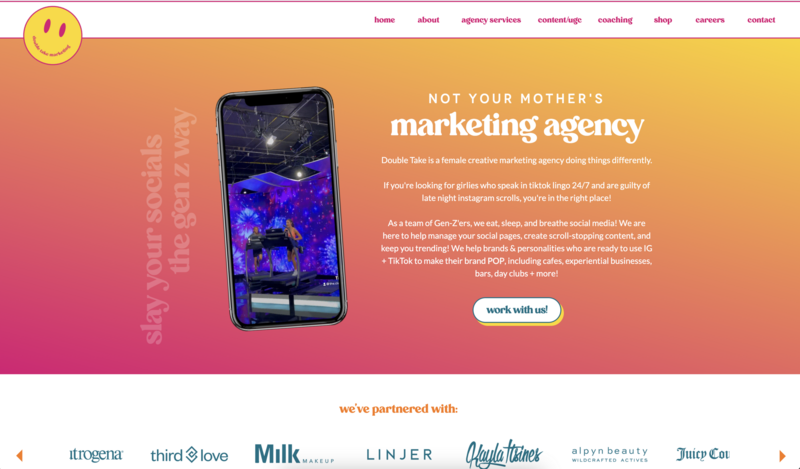
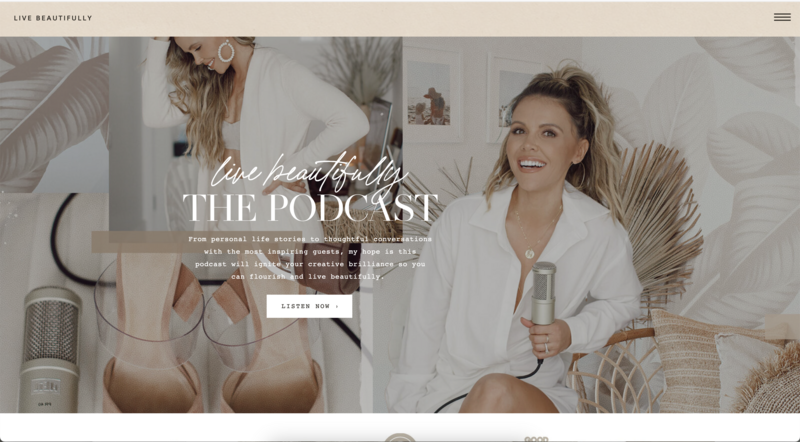
None of it works, though, without a website that's ready to receive that traffic. If you're building on Showit, your site is already built to support city-specific landing pages and the kind of clear, fast, well-structured content that Google rewards. That's the home base every local SEO effort is pointing back to.