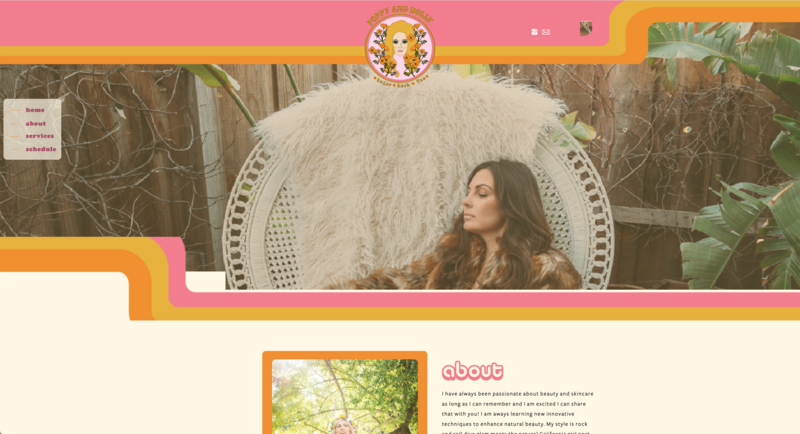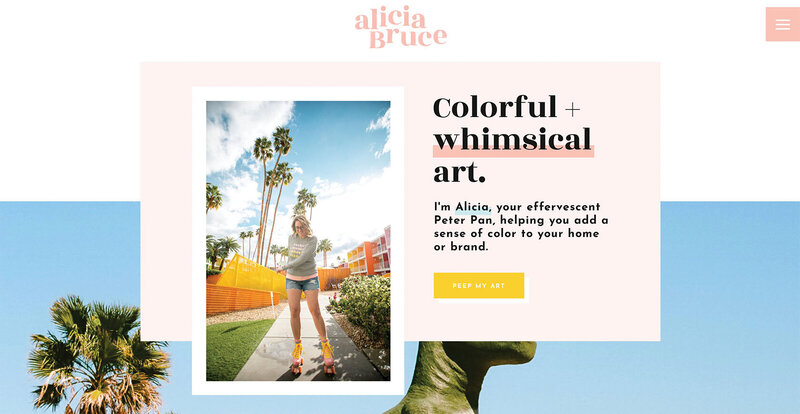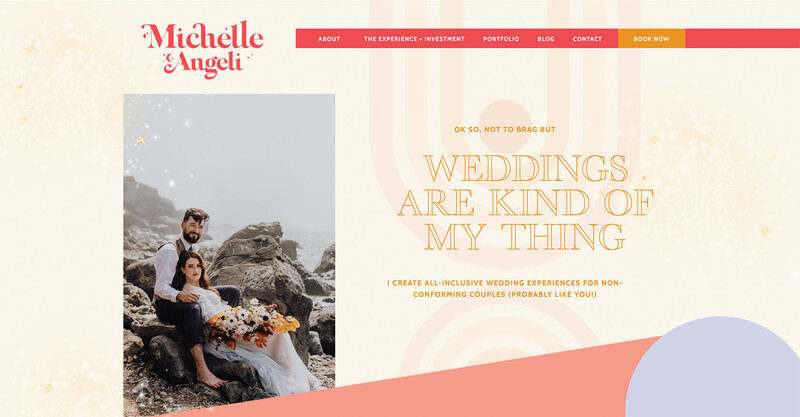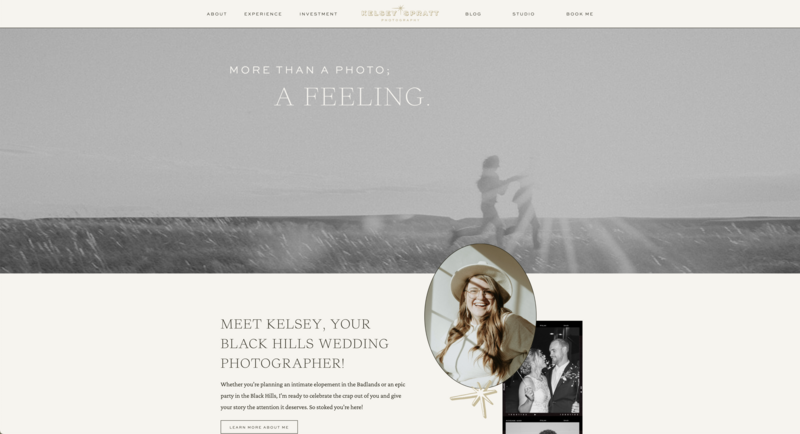
Load Newsreader Bold Font


You're doing professional work. You've invested in your skills, you deliver results, and you care deeply about your clients. But when potential clients land on your website or Instagram, something doesn't click. They don't see you as the established professional you are. They ask for discounts, ghost after your proposal, or worse—they choose a competitor who charges more but somehow feels more “legit.”
Here's the truth: it's not about your talent. It's about your brand authority.
Brand authority is the invisible signal that tells clients you're worth investing in before they ever read your about page or see your portfolio. It's what separates a business that gets respect from one that gets questioned. And the good news? It's completely within your control to build.
In this guide, you'll learn what brand authority actually is, why it determines who hires you and at what price point, and the three pillars you need to establish credibility both online and offline. We'll also cover the common mistakes that undermine authority (even when everything else looks good), and how to audit your own brand so you know exactly where to focus your energy.
What Is Brand Authority (And Why It Determines Who Hires You)
Brand authority is the perception that your business is credible, trustworthy, and established enough to deliver on its promises. It's not about being the biggest or the oldest—it's about showing up in a way that signals you know what you're doing and you've been doing it long enough to be good at it.
When a potential client encounters a brand with strong authority, they think: “This is a real business.” When they encounter one without it, they think: “Is this person actually professional, or is this a side hustle?”
That split-second judgment affects everything. It influences whether they explore your services or bounce. It determines whether they accept your pricing or try to negotiate. It shapes whether they trust you with their most important projects or go with someone who “feels” more established.
Here's what brand authority is not: it's not just having a pretty logo or a polished website. Plenty of beautiful brands fail to convert because they don't communicate competence, consistency, or client focus. Brand authority lives at the intersection of visual credibility, strategic messaging, and cohesive client experience.
When you have it, clients come to you ready to invest. When you don't, you're constantly justifying your rates and your worth.
Why Brand Authority Matters More Than You Think
The impact of brand authority shows up in three critical areas of your business: pricing power, client quality, and conversion rates.
First, pricing. Clients pay more when they trust you. Period. Two photographers can offer identical services, but the one whose brand signals authority will book clients at higher rates with less pushback. Why? Because authority reduces perceived risk. When clients feel confident you'll deliver, price becomes less of an obstacle.
Second, client quality. Strong brand authority attracts the kinds of clients you actually want to work with—the ones who value your expertise, respect your process, and don't nickel-and-dime you. Weak brand authority attracts tire-kickers, discount hunters, and people who aren't sure if you're the real deal. You end up spending energy convincing instead of converting.
Third, conversion rates. A brand with authority moves clients from “just looking” to “ready to book” faster. Your website, your emails, your social presence—all of it works harder when authority is baked in. Clients don't need as many touchpoints or as much hand-holding because they already believe you're capable.
The business cost of weak brand authority is real. You work twice as hard to close clients who still question your value. You justify your pricing more often. You lose projects to competitors who simply look more established, even if you're more talented.
The 3 Pillars of Brand Authority
Building brand authority isn't about overhauling everything at once. It's about strengthening three core pillars that work together to create trust, consistency, and credibility.
Pillar 1: Strategic Brand Foundation
Your brand foundation is the intentional structure behind your visual identity, messaging, and positioning. This is where many creative businesses stumble—they piece together a logo, pick some colors, and call it branding. But real authority comes from a brand that feels thought-through, not thrown together.
Tiereny Allen-Green, founder of Scope Theory and a brand designer who specializes in corporate identities, puts it this way: “The difference between a brand that commands authority and one that doesn't often comes down to intentionality. Clients can sense when a brand was designed strategically versus when it was DIYed in Canva over a weekend.”
A strategic brand foundation includes a clear visual system—not just a logo, but a complete identity with consistent fonts, colors, imagery style, and design elements that show up the same way everywhere. It also includes messaging that speaks to a specific audience with a specific problem, not generic “I help creatives thrive” language that could apply to anyone.
Here's what this looks like in practice. Let's say you're a wedding photographer. A weak brand foundation shows up as: mismatched fonts across your website and Instagram, vague messaging like “capturing your special day,” and a portfolio that includes everything from family portraits to branding shoots because you're afraid to niche down.
A strong brand foundation shows up as: a cohesive visual identity that's recognizable whether someone sees your website or your Instagram story, messaging that speaks directly to your ideal client's concerns (like “timeless, editorial wedding photography for couples who want their day documented, not posed”), and a portfolio that reinforces your specialty.
The SMART Launch Strategy that Tiereny teaches focuses on this foundation work. SMART stands for Strategic, Memorable, Aligned, Refined, and Timeless. It's about making sure your brand isn't just pretty—it's built to convert and to grow with you.
Pillar 2: Client-Centric Brand Experience
The second pillar is often the most overlooked: your brand needs to center the client experience, not just your aesthetic preferences.
This is where a lot of creative entrepreneurs get it wrong. They build a brand that reflects their personal style or what they think looks cool, but it doesn't speak to what their clients actually need to see in order to trust them. A client-centric brand answers the questions your potential clients are asking before they even get on a discovery call.
Questions like: Do you understand my industry? Have you worked with clients like me? What will working with you actually be like? Will this process be smooth or stressful? What happens if something goes wrong?
Your brand should answer these questions through strategic design choices, not through a ten-paragraph FAQ section buried on your website. This shows up in things like clear service pages that outline your process, testimonials that speak to client concerns, and imagery that reflects your ideal client's world, not just your personal aesthetic.
Tiereny emphasizes that a client-centric brand is about empathy: “When your brand feels like it was designed with the client in mind—not just for you—it creates instant connection. Clients feel seen and understood, and that's the foundation of trust.”
For example, if you're a brand designer who works with corporate clients, your brand should feel polished and professional, not bohemian and whimsical (even if that's your personal style). If you're a photographer who works with wellness brands, your site should feel calm and elevated, not chaotic and loud. It's not about losing your personality—it's about presenting it in a way that resonates with the people you want to attract.
Pillar 3: Conversion-Driven Design
The third pillar is about making sure your visual design doesn't just look good—it moves people to action.
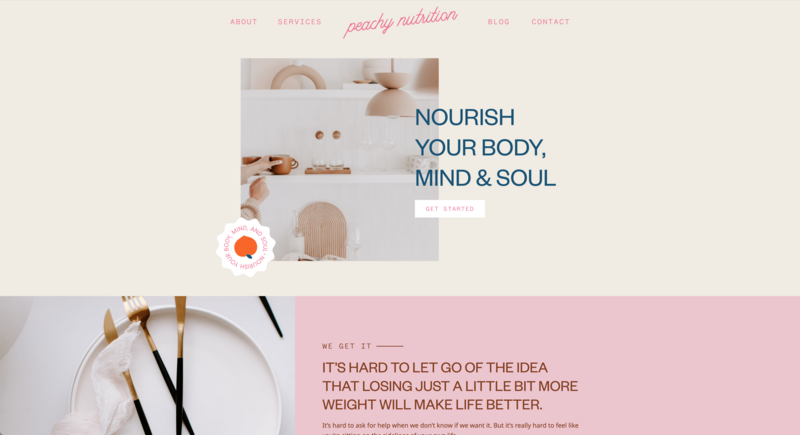
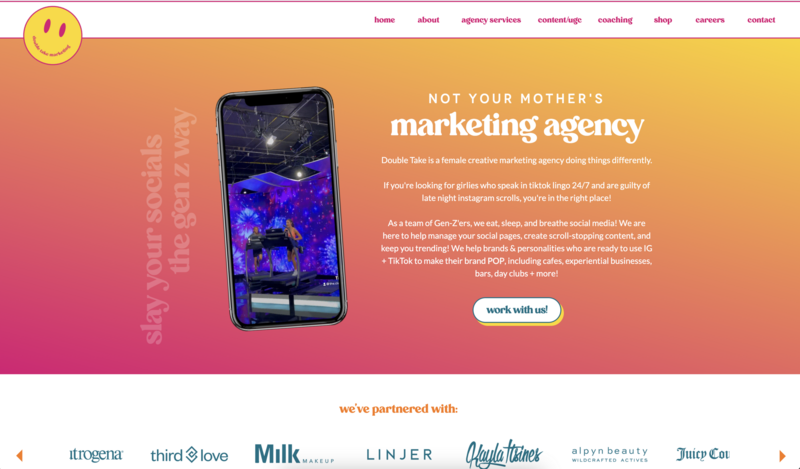
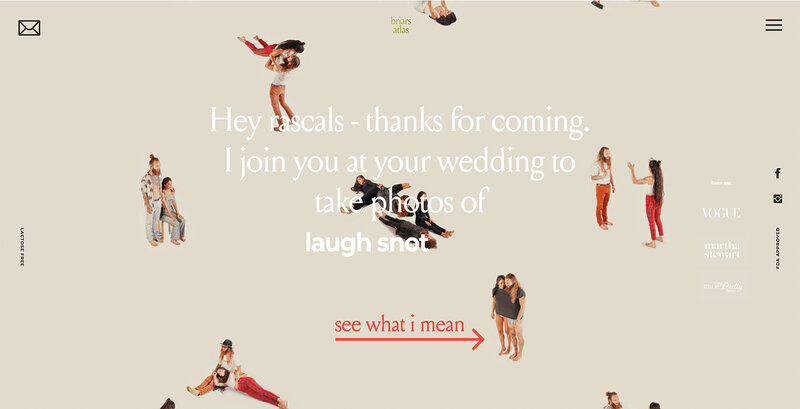
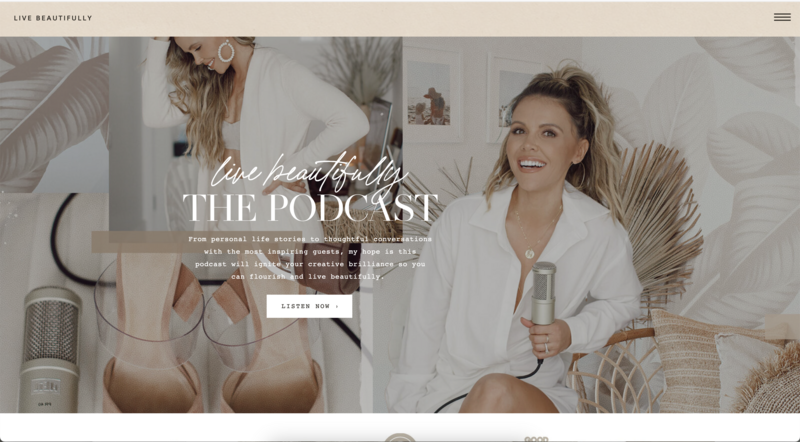
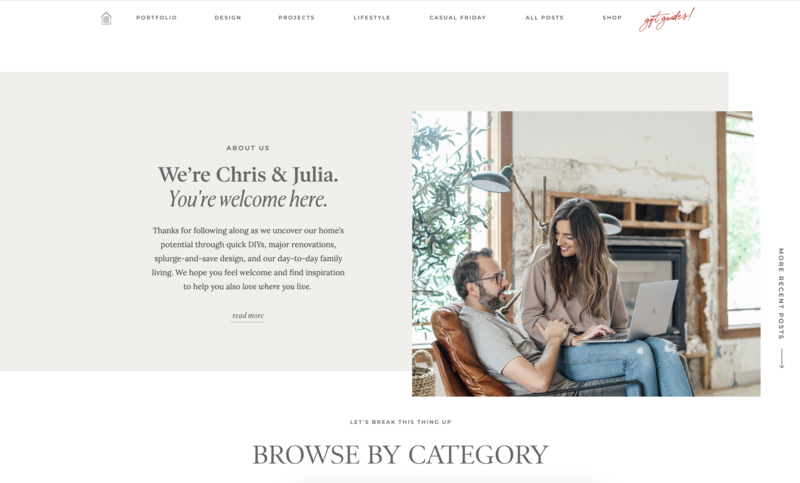
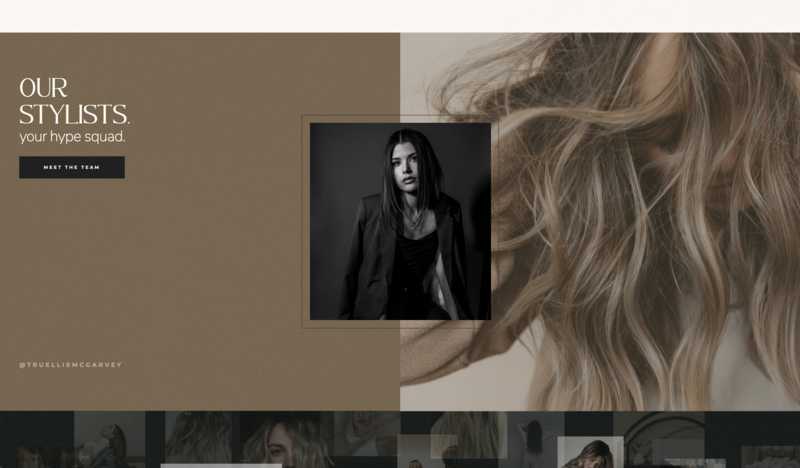
Conversion-driven design is the intersection of aesthetics and psychology. It's understanding that certain design choices signal authority (clean layouts, professional photography, strategic white space) while others signal amateurism (cluttered pages, inconsistent fonts, stock photos that feel generic).
This is especially important on your website, which is often the first place clients assess whether you're the real deal. A website that converts doesn't just showcase your work—it guides clients through a journey that builds trust and makes the next step obvious.
Tiereny's approach to conversion-driven design focuses on hierarchy, clarity, and confidence. Every page should have a clear purpose, every section should support that purpose, and every design choice should make it easier for the client to say yes.
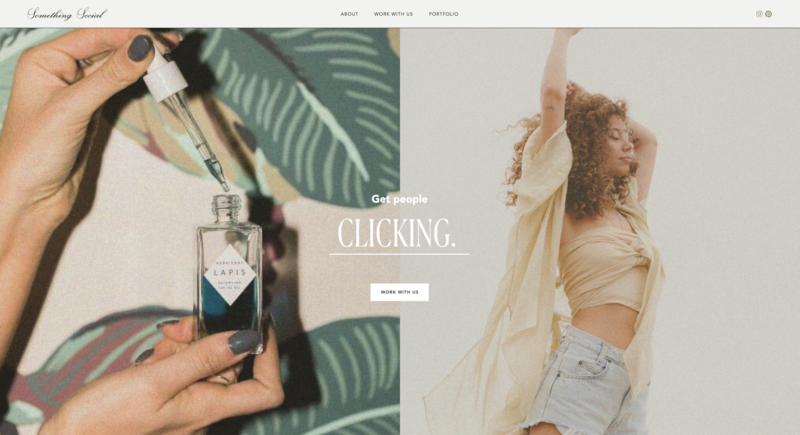
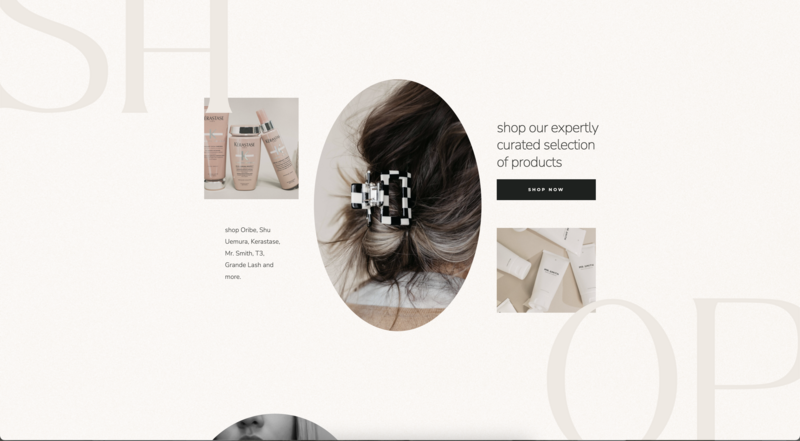
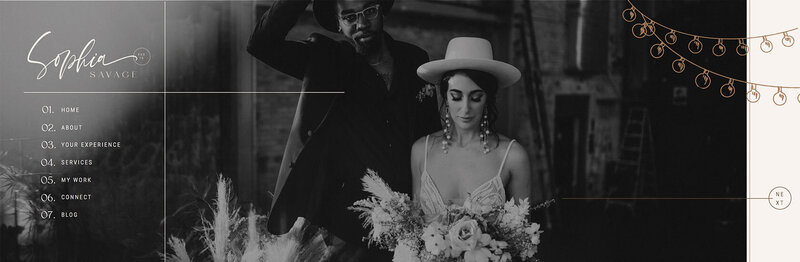
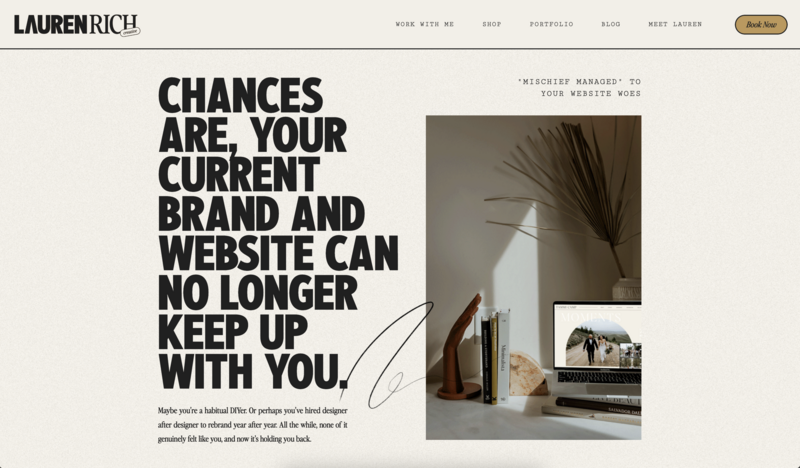
Here's where Showit becomes a strategic advantage. Because Showit gives you complete design flexibility without needing code, you can create a site that truly reflects your brand authority—not a template that looks like everyone else's. You can control every detail, from spacing to typography to how images are presented, so your website feels as polished and intentional as your work itself.
Conversion-driven design also shows up in small details. Things like professional headshots instead of selfies, real client work instead of stock photos, buttons and calls-to-action that feel confident (“Let's Work Together”) instead of apologetic (“Maybe Get in Touch?”), and a site that loads quickly and works perfectly on mobile.
When all three pillars are strong—strategic foundation, client-centric experience, and conversion-driven design—your brand stops working against you and starts working for you.
How to Build Brand Authority That Actually Converts Clients
You're doing professional work. You've invested in your skills, you deliver results, and you care deeply about your clients. But when potential clients land on your website or Instagram, something doesn't click. They don't see you as the established professional you are. They ask for discounts, ghost after your proposal, or worse—they choose a competitor who charges more but somehow feels more “legit.”
Here's the truth: it's not about your talent. It's about your brand authority.
Brand authority is the invisible signal that tells clients you're worth investing in before they ever read your about page or see your portfolio. It's what separates a business that gets respect from one that gets questioned. And the good news? It's completely within your control to build.
In this guide, you'll learn what brand authority actually is, why it determines who hires you and at what price point, and the three pillars you need to establish credibility both online and offline. We'll also cover the common mistakes that undermine authority (even when everything else looks good), and how to audit your own brand so you know exactly where to focus your energy.
What Is Brand Authority (And Why It Determines Who Hires You)
Brand authority is the perception that your business is credible, trustworthy, and established enough to deliver on its promises. It's not about being the biggest or the oldest—it's about showing up in a way that signals you know what you're doing and you've been doing it long enough to be good at it.
When a potential client encounters a brand with strong authority, they think: “This is a real business.” When they encounter one without it, they think: “Is this person actually professional, or is this a side hustle?”
That split-second judgment affects everything. It influences whether they explore your services or bounce. It determines whether they accept your pricing or try to negotiate. It shapes whether they trust you with their most important projects or go with someone who “feels” more established.
Here's what brand authority is not: it's not just having a pretty logo or a polished website. Plenty of beautiful brands fail to convert because they don't communicate competence, consistency, or client focus. Brand authority lives at the intersection of visual credibility, strategic messaging, and cohesive client experience.
When you have it, clients come to you ready to invest. When you don't, you're constantly justifying your rates and your worth.
Why Brand Authority Matters More Than You Think
The impact of brand authority shows up in three critical areas of your business: pricing power, client quality, and conversion rates.
First, pricing. Clients pay more when they trust you. Period. Two photographers can offer identical services, but the one whose brand signals authority will book clients at higher rates with less pushback. Why? Because authority reduces perceived risk. When clients feel confident you'll deliver, price becomes less of an obstacle.
Second, client quality. Strong brand authority attracts the kinds of clients you actually want to work with—the ones who value your expertise, respect your process, and don't nickel-and-dime you. Weak brand authority attracts tire-kickers, discount hunters, and people who aren't sure if you're the real deal. You end up spending energy convincing instead of converting.
Third, conversion rates. A brand with authority moves clients from “just looking” to “ready to book” faster. Your website, your emails, your social presence—all of it works harder when authority is baked in. Clients don't need as many touchpoints or as much hand-holding because they already believe you're capable.
The business cost of weak brand authority is real. You work twice as hard to close clients who still question your value. You justify your pricing more often. You lose projects to competitors who simply look more established, even if you're more talented.
The 3 Pillars of Brand Authority
Building brand authority isn't about overhauling everything at once. It's about strengthening three core pillars that work together to create trust, consistency, and credibility.
Pillar 1: Strategic Brand Foundation
Your brand foundation is the intentional structure behind your visual identity, messaging, and positioning. This is where many creative businesses stumble—they piece together a logo, pick some colors, and call it branding. But real authority comes from a brand that feels thought-through, not thrown together.
Tiereny Allen-Green, founder of Scope Theory and a brand designer who specializes in corporate identities, puts it this way: “The difference between a brand that commands authority and one that doesn't often comes down to intentionality. Clients can sense when a brand was designed strategically versus when it was DIYed in Canva over a weekend.”
A strategic brand foundation includes a clear visual system—not just a logo, but a complete identity with consistent fonts, colors, imagery style, and design elements that show up the same way everywhere. It also includes messaging that speaks to a specific audience with a specific problem, not generic “I help creatives thrive” language that could apply to anyone.
Here's what this looks like in practice. Let's say you're a wedding photographer. A weak brand foundation shows up as: mismatched fonts across your website and Instagram, vague messaging like “capturing your special day,” and a portfolio that includes everything from family portraits to branding shoots because you're afraid to niche down.
A strong brand foundation shows up as: a cohesive visual identity that's recognizable whether someone sees your website or your Instagram story, messaging that speaks directly to your ideal client's concerns (like “timeless, editorial wedding photography for couples who want their day documented, not posed”), and a portfolio that reinforces your specialty.
The SMART Launch Strategy that Tiereny teaches focuses on this foundation work. SMART stands for Strategic, Memorable, Aligned, Refined, and Timeless. It's about making sure your brand isn't just pretty—it's built to convert and to grow with you.
Pillar 2: Client-Centric Brand Experience
The second pillar is often the most overlooked: your brand needs to center the client experience, not just your aesthetic preferences.
This is where a lot of creative entrepreneurs get it wrong. They build a brand that reflects their personal style or what they think looks cool, but it doesn't speak to what their clients actually need to see in order to trust them. A client-centric brand answers the questions your potential clients are asking before they even get on a discovery call.
Questions like: Do you understand my industry? Have you worked with clients like me? What will working with you actually be like? Will this process be smooth or stressful? What happens if something goes wrong?
Your brand should answer these questions through strategic design choices, not through a ten-paragraph FAQ section buried on your website. This shows up in things like clear service pages that outline your process, testimonials that speak to client concerns, and imagery that reflects your ideal client's world, not just your personal aesthetic.
Tiereny emphasizes that a client-centric brand is about empathy: “When your brand feels like it was designed with the client in mind—not just for you—it creates instant connection. Clients feel seen and understood, and that's the foundation of trust.”
For example, if you're a brand designer who works with corporate clients, your brand should feel polished and professional, not bohemian and whimsical (even if that's your personal style). If you're a photographer who works with wellness brands, your site should feel calm and elevated, not chaotic and loud. It's not about losing your personality—it's about presenting it in a way that resonates with the people you want to attract.
Pillar 3: Conversion-Driven Design
The third pillar is about making sure your visual design doesn't just look good—it moves people to action.
Conversion-driven design is the intersection of aesthetics and psychology. It's understanding that certain design choices signal authority (clean layouts, professional photography, strategic white space) while others signal amateurism (cluttered pages, inconsistent fonts, stock photos that feel generic).
This is especially important on your website, which is often the first place clients assess whether you're the real deal. A website that converts doesn't just showcase your work—it guides clients through a journey that builds trust and makes the next step obvious.
Tiereny's approach to conversion-driven design focuses on hierarchy, clarity, and confidence. Every page should have a clear purpose, every section should support that purpose, and every design choice should make it easier for the client to say yes.
Here's where Showit becomes a strategic advantage. Because Showit gives you complete design flexibility without needing code, you can create a site that truly reflects your brand authority—not a template that looks like everyone else's. You can control every detail, from spacing to typography to how images are presented, so your website feels as polished and intentional as your work itself.
Conversion-driven design also shows up in small details. Things like professional headshots instead of selfies, real client work instead of stock photos, buttons and calls-to-action that feel confident (“Let's Work Together”) instead of apologetic (“Maybe Get in Touch?”), and a site that loads quickly and works perfectly on mobile.
When all three pillars are strong—strategic foundation, client-centric experience, and conversion-driven design—your brand stops working against you and starts working for you.
Brand Authority Mistakes That Cost You Clients
Even if you're doing some things right, certain mistakes can undermine your authority and cost you clients without you realizing it. Here are the most common ones I see in creative businesses.
Inconsistent visual identity across platforms. Your Instagram looks one way, your website looks another, and your email signature looks like a third person designed it. Clients notice this, even if they don't consciously register it. Inconsistency reads as lack of attention to detail or lack of professionalism. Fix this by creating a simple brand guide for yourself—even just a one-page document with your fonts, colors, and logo files—and commit to using it everywhere.
Generic messaging that could apply to anyone. If your tagline or homepage headline could work for any business in your industry, it's not doing its job. “Helping you shine” or “Making your vision come to life” doesn't differentiate you or speak to a specific client's needs. Strong brand authority comes from clarity and specificity. Instead of “Websites that convert,” try “Showit websites for wellness brands ready to book premium clients.”
Amateur website signals. These are small but deadly. Things like: low-quality images, spelling errors, broken links, a contact form that doesn't work, pages that aren't mobile-optimized, or a site that takes too long to load. Any one of these signals “this person isn't paying attention,” and potential clients bounce. Do a quarterly audit of your site to catch these before they cost you a booking.
Missing credibility markers. If your site doesn't include testimonials, a clear about page that establishes your experience, press or features, client logos, or any other proof that you've done this work successfully, clients have to take your word for it. And many won't. Add at least three strong testimonials to your homepage, and make sure your about page tells a story that positions you as an expert, not just someone who likes this work.
Overthinking perfection and under-delivering consistency. Some creative entrepreneurs get so caught up in making everything perfect that they never launch, or they disappear for months at a time because they're “rebranding.” Brand authority is built through consistency, not perfection. Show up regularly, even if things aren't Instagram-perfect. Clients trust businesses that are present and reliable more than they trust businesses that are polished but inconsistent.
How to Audit Your Current Brand Authority
You don't need to guess whether your brand has authority or not—you can assess it yourself with a few simple checks.
Start by looking at your website with fresh eyes. Better yet, have someone outside your industry look at it and ask them: Does this feel like a real, professional business? What questions do you have after looking at the homepage? Does it feel clear what this business does and who it serves? If they hesitate or seem confused, you have clarity issues that are undermining authority.
Next, check for visual consistency. Open your website, Instagram, email signature, and any other client-facing materials side by side. Do they look like they belong to the same brand? Are the fonts, colors, and design style consistent? If not, that's an immediate area to tighten up.
Review your messaging. Read through your website copy, especially your homepage and services pages. Is the language confident and specific, or vague and apologetic? Do you sound like an expert, or like someone who's still figuring things out? Authority comes through in word choice, tone, and specificity.
Look at your proof points. Do you have testimonials on your site? Are they specific and compelling, or generic (“Great to work with!”)? Do you have case studies, client logos, press features, or other signals that you've done this work successfully? If these are missing, add them. If they're buried on a separate page, move them where clients will actually see them.
Finally, test your site on mobile. Over half of web traffic is mobile, and if your site doesn't work perfectly on a phone, you're losing clients. Click through every page, test every form, and make sure images load properly. This is basic, but it's where a lot of brands lose authority without realizing it.
If you identify gaps, prioritize them. Fix the quick wins first—update your headshot, add testimonials, tighten your homepage messaging. Then tackle the bigger projects, like a visual refresh or a site restructure. Brand authority is built in layers, and every improvement compounds.
Build a Brand That Commands the Rates You Deserve
Brand authority isn't about being the flashiest or the loudest. It's about showing up consistently, strategically, and with clarity that makes clients feel confident choosing you. When your brand signals competence, aligns with your ideal client's expectations, and creates a seamless experience from first impression to final invoice, you stop competing on price and start attracting the right clients at the right rates.
The work you do deserves to be taken seriously. Make sure your brand reflects that.
Ready to create a website that actually converts your ideal clients? Showit gives you the design flexibility to build a site that feels as polished and professional as your work. Explore Showit templates designed for creative entrepreneurs who are ready to be taken seriously, or start from scratch with complete creative control.
Connect and Learn more!
We hope that you enjoyed learning from Tiereny about brand authority! This woman is Crazy Obsessed with helping you to feel confident about your business. Feel free to connect with her on Instagram. Or you can visit her website.
And if you enjoyed this webinar, we think you will also love this one about using Pinterest to further expand your website's reach!. We also have this great post about the only 2 questions you need to answer for your client!

Hi! I'm Jihae Watson! I was born in Seoul, grew up in Toronto, Ontario and now live in Gilbert, Arizona. I love all three cities so very much as I have plenty of family, and favorite restaurants in all three locations.
I am married to a stud named Chris, and we have four fantastic kids. Together we love being a foster family, and we presently have the sweetest little foster babe.