Load Newsreader Bold Font
You post a beautiful new product photo, a case study, a glowing client testimonial, and the likes roll in along with a handful of nice comments. Then… absolutely nothing happens. There are no sales or inquiries, just some nice red hearts and notifications on your Instagram home page.
Sounds familiar? It’s actually more common in the small business owner world than you realize. The good news is that you’re probably not doing anything wrong, you’re just missing a system.
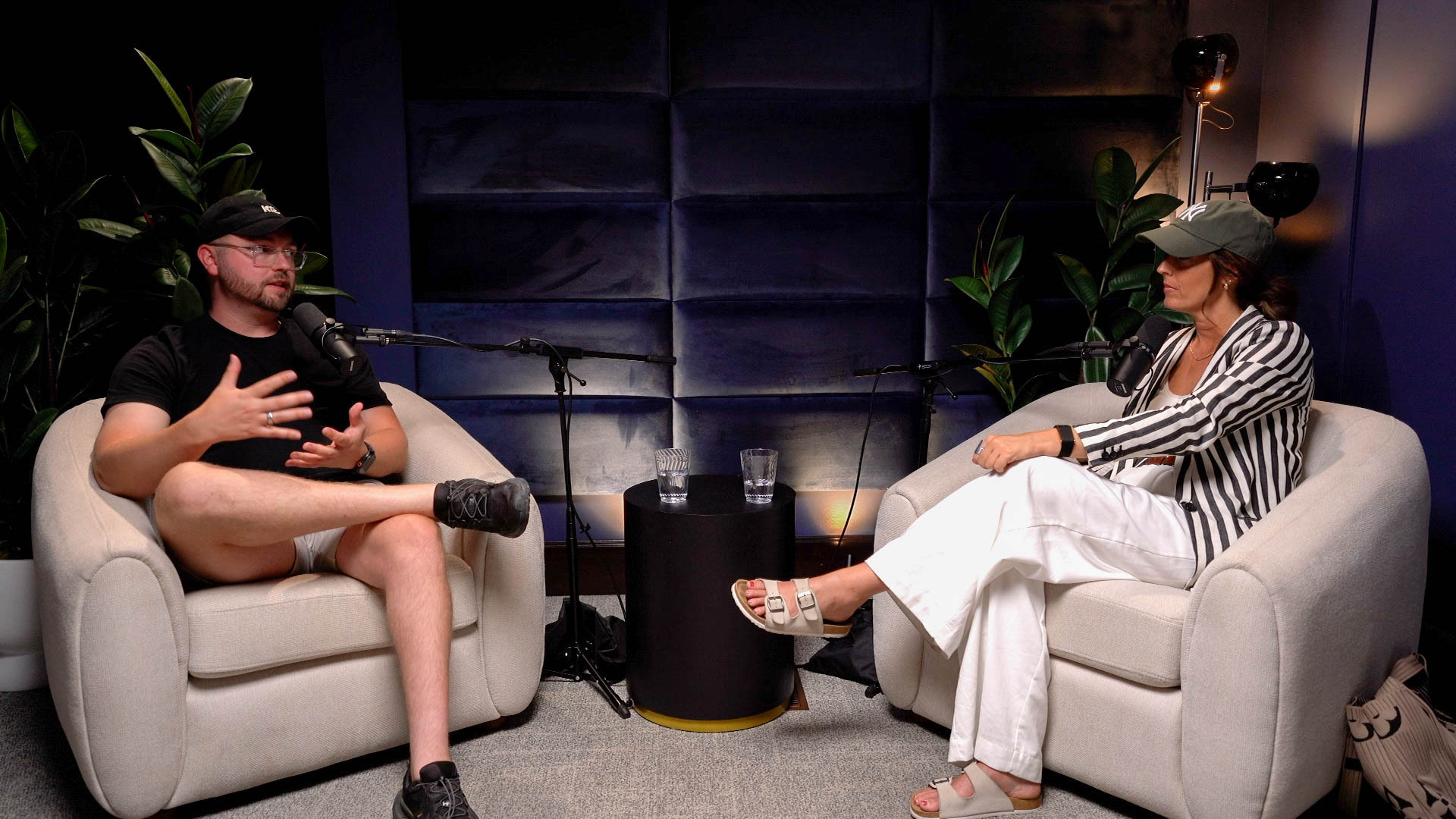
That’s what this article is here to help with: how to turn followers into customers, pulled from a recent conversation we had with Gannon Meyer at Craft + Commerce this year. Gannon is a ManyChat expert who has helped generate over $1 million in sales and grown a combined 400,000 email subscribers for himself and his clients.
Most automations are soulless. At first that sounds like an argument against automating anything, but the more he explained it, the more it clicked. Because soulless isn’t really a knock on automation itself. It’s a knock on the lazy version of it, the version where you set up one generic sequence, blast it to everyone, and hope for the best.
There’s a better way, and it doesn’t require you to be a tech wizard or hire a marketing agency. It just requires understanding one simple idea: the person with the data about their audience is usually the person who wins.
Here’s how to actually get that data and what to do with it once you have it.
Why “Soulless” Automation Won’t Turn Followers Into Customers
Soulless automation is really just low-effort automation. The fix isn’t to stop automating, it’s to put more thought into what you’re actually sending.
Most people assume that more automation means less personal, but Gannon’s take is the opposite. Soulless, in his words, is really just a synonym for low effort.
“The more effort you put into something, the higher quality it is, at least in your perception of it,” he explained.
When he builds an automated sequence for a client, he doesn’t settle for the three-click version everyone else is using. He’ll spend fifteen to twenty times more effort figuring out the right data collection questions, condition steps, and even custom voice notes for different outcomes.
The payoff isn’t proportional to that extra effort or a fifteen-times return for fifteen-times the work. It’s closer to fifty or even two hundred times the return, because most business owners do the bare minimum and expect an above-average result anyway.
If you’re willing to put in a little more thought upfront, you’re already ahead of nearly everyone else in your industry. And you don’t need ManyChat, a dev team, or a huge budget to apply this thinking. You just need to ask one honest question before you build anything: would you actually want to receive this if you were the one on your own email list? If the answer is no, don’t send it. That single filter will save you from most of the soulless automation trap.
The Framework: Free, Segment, Up Sell
Gannon’s core system for turning Instagram followers into email subscribers, and eventually paying customers, is a simple three-part framework. Give something away for free, segment your audience based on a question, then offer them something relevant.
1. Give Something Away for Free
This could be a template, a checklist, or a mini guide, something that solves a small, specific problem for your audience. You post about it and ask people to comment a keyword to get it.
2. Segment With One Smart Question
After you deliver the freebie, ask a bounded question like, “What are you hoping to get out of this over the next few months?” Notice this isn’t a totally open question. If you give people too many possible directions, they get overwhelmed and just don’t answer. If you gently point them toward one or two likely answers, though, you get far more responses, and you learn exactly what your audience actually needs.
This is where the real value shows up. Export those responses into a spreadsheet and you’ll start noticing patterns. Maybe thirty percent of your audience is a photographer building a portfolio site, while twenty percent is a service provider who wants their booking process automated. That’s not a guess anymore, that’s data straight from the people you’re trying to sell to.
3. Up Sell With Relevance, Not Pressure
Once you know what someone actually wants, you can point them to the next right thing. This isn’t “buy my course.” It should sound more like “since you mentioned you’re struggling with this, here’s a resource for that, plus a discount as a thank you for checking out the freebie.”
This approach alone converts around nine percent of the people who receive it, which might sound small until you remember it’s happening automatically, to everyone who opts in, for as long as your business exists.
You don’t need to use ManyChat specifically either. The framework matters more than the platform. Whether you’re using an email service, a form on your website, or a quick DM sequence on Instagram, the free, segment, upsell structure works because it’s built on curiosity about your audience rather than a desire to sell to them.
Why Guessing Kills Your Conversion Rate
Gannon shared a scenario that’s uncomfortably familiar for a lot of business owners. You send someone to a landing page, collect their name and email, and drop them into a generic funnel. Then you sell the exact same thing to your entire list and wonder why almost nobody buys.
Think about how you’d actually treat a warm referral. If a friend said, “Hey, I know someone who might want to work with you,” you wouldn’t just hand that person an invoice. You’d ask what their situation is, what they’ve already tried, and what they actually need help with. Because that’s not just good manners, it’s good business.
Most website forms skip all of that and simply ask for an email address, which is exactly why response rates and conversion rates tend to be so low. You’re trying to sell one thing to everyone instead of the right thing to the right person, and the fix doesn’t require a complicated tech stack. It just requires asking better questions earlier, whether that happens on a landing page, in a welcome email, or through a quick Instagram DM sequence. The goal is always the same: collect enough real information that your next message feels specifically written for that one person, even if five hundred other people are getting something similar.
Why Text-Heavy Instagram Stories Outperform Polished Posts
One tactic Gannon mentioned almost as an aside deserves way more attention. Text-heavy Instagram Stories that skip the polished graphics entirely and just use a plain photo with bold text that says something like, “PSA: if you have this problem, you’re probably making this mistake. Here’s what fixed it. Reply with this word to learn how.”
He posts one of these a week, and it consistently reaches people who don’t even follow him yet, since story replies count as engagement and boost reach more than the platform probably intends. Instagram has apparently tried to change this behavior, and it still works anyway.
The lesson isn’t necessarily to copy his exact PSA format, although you’re welcome to try it. It’s that the simplest, least polished content format on the platform can outperform your most produced posts, because it feels honest and direct instead of like a sales pitch. If you’ve been avoiding Stories because you don’t have time to design something pretty, consider this your permission to just type out the truth and hit post.
Don’t Forget the Human Behind the Business
Gannon shared something personal in this conversation. His family lost their home, and not long after, he was running fifty-thousand-dollar product launches. When asked whether automation felt like his way out, his answer was refreshingly honest. It wasn’t just one thing. It was talking about one topic consistently, owning a framework around it, and yes, using systems to reach the right people at the right time.
He also said something worth remembering when you’re deep in funnels and follow-up sequences. About eighty percent of what he posts is strategic and built to grow the business, while twenty percent is just him being a person. Sharing the hard parts of his story isn’t a marketing tactic bolted onto his content. It’s what makes people root for him instead of just following him for tips.
That’s worth sitting with whether you’re a web designer building a portfolio site or a small business owner managing your own online presence. Your systems and automations matter, but they work best when they’re wrapped around a real person your audience can actually root for. Because nobody builds genuine loyalty to a funnel. They build loyalty to you.
How to Turn Followers Into Customers by Owning the Relationship
If you don’t get your audience onto an email list, or somewhere you actually own that person’s data, your business stays fragile.
Instagram, TikTok, and whatever platform comes next all have one thing in common. None of them are truly yours. The algorithm can change overnight, and Instagram has reportedly confirmed it’s now fully algorithm-based. An account can get flagged for no real reason, and an entire platform can disappear. What you own is your email list, and increasingly, your website.
This is where the free, segment, upsell framework really earns its keep, because it’s not just a way to sell more. It’s a way to move your audience off rented land and onto property you actually control. Every DM sequence, every story reply, and every quiz question should have one job: getting someone from simply following you to giving you a direct way to reach them and understand what they actually care about.
Your Website Is the Home Base for All of This
Once you’ve got people opting in, answering questions, and clicking through to the next relevant offer, they need somewhere to land that actually reflects who you are and what you do. A generic landing page with a plain name-and-email form isn’t going to cut it once you’re asking smarter questions and building real segments.
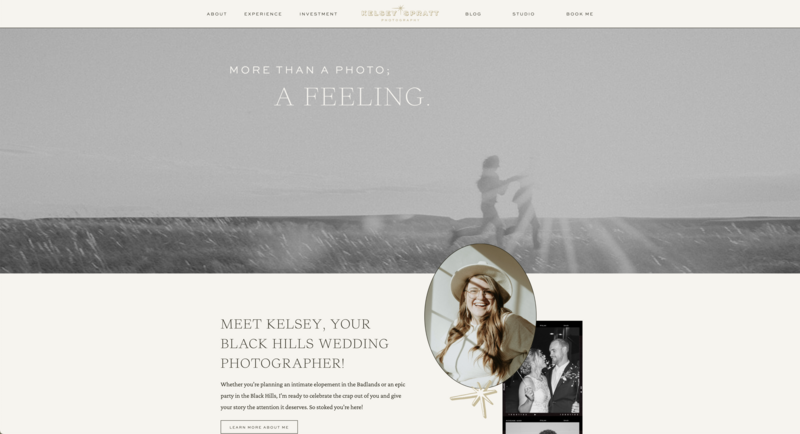
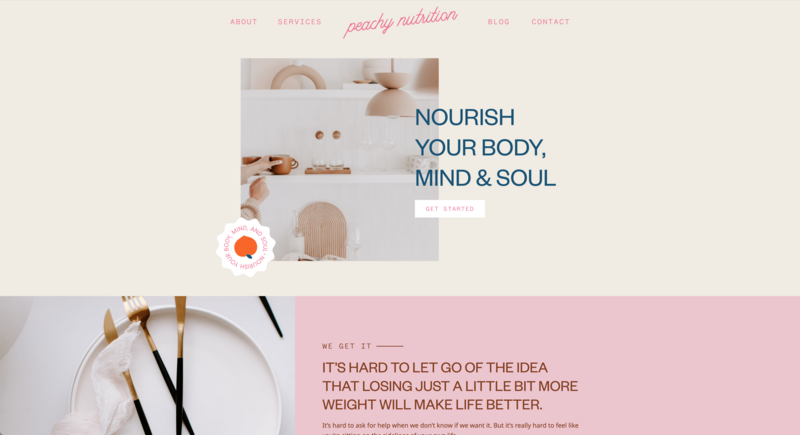
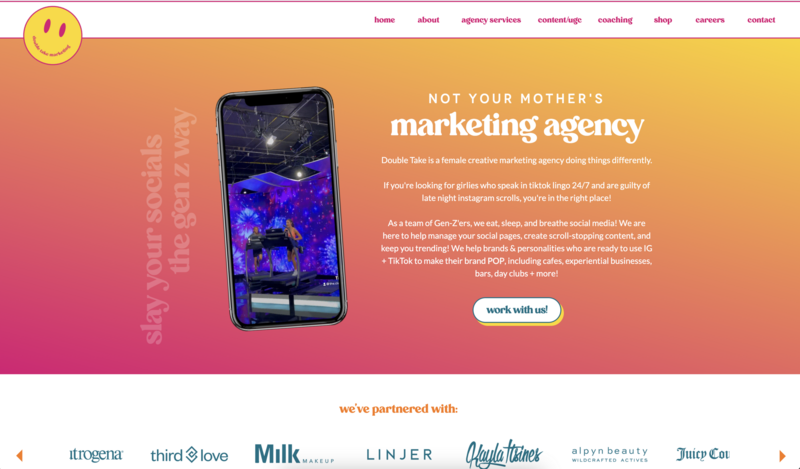
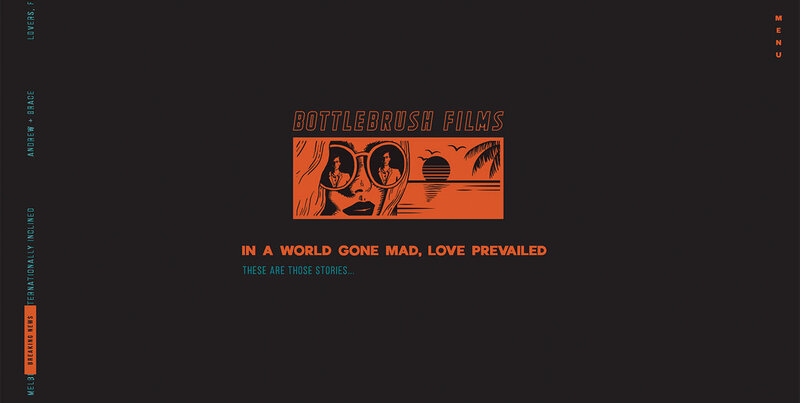
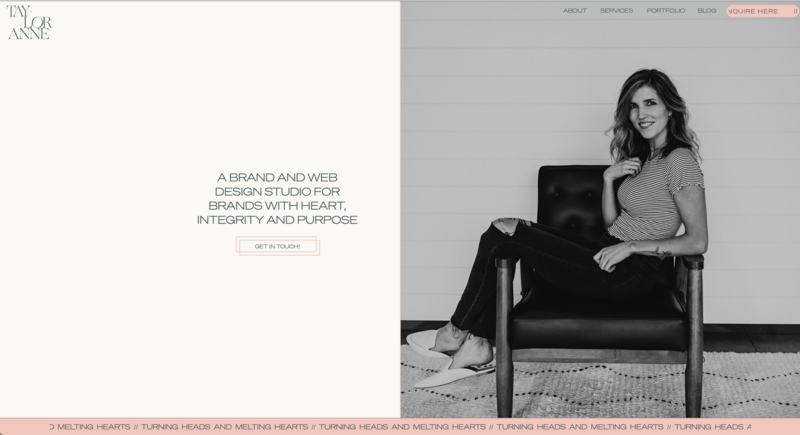
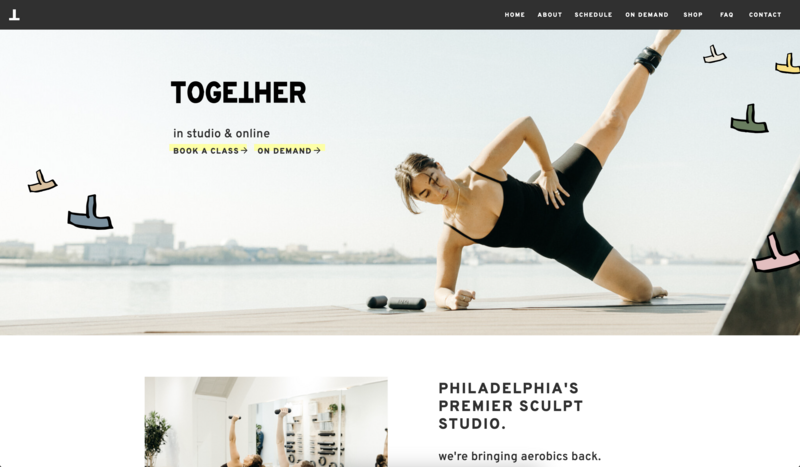
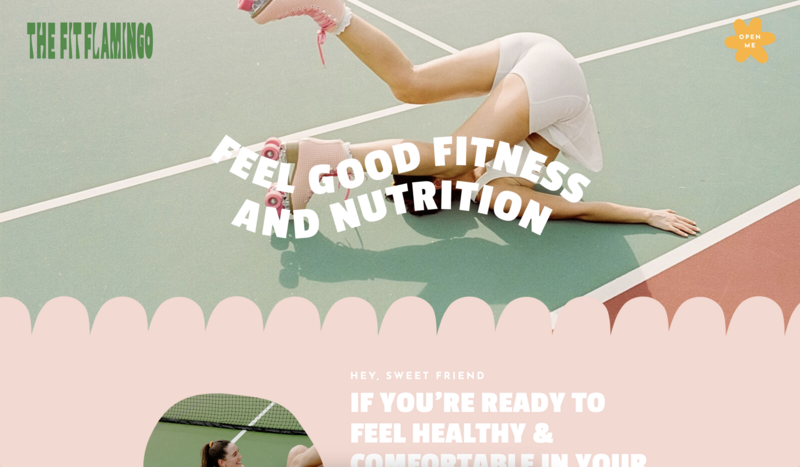
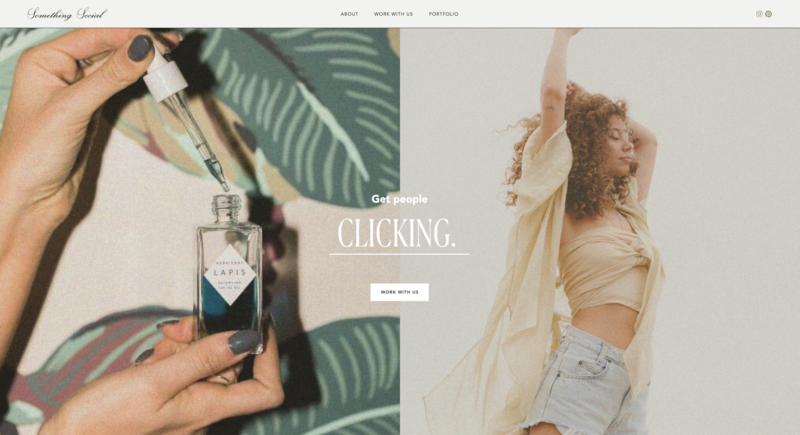
That’s exactly the kind of creative control Showit gives you. Instead of wrestling with rigid templates or code, you get a drag-and-drop builder that lets you design a website that actually looks and feels like your brand, whether you’re a web designer building a client’s portfolio site or a business owner turning Instagram followers into a real email list you own.
Ready to build a home base that matches the effort you’re putting into the rest of your marketing? Try Showit free for 14 days and see why so many small business owners and designers trust it to bring their ideas to life without the tech headaches.

Sarah has been part of the Showit team for nearly four years, where she works as a copywriter crafting content that educates, encourages, and celebrates the creative entrepreneurs who make up the Showit community. When she's not writing, you'll find her with a book in hand (usually something about leadership or personal growth), cheering on Arizona sports teams, or connecting with people over a really good cup of coffee because, let's be honest, there's always a cup nearby. Sarah believes in the power of stories, the importance of showing up authentically, and that every entrepreneur deserves to be celebrated for the brave work they're doing.