Load Newsreader Bold Font
I’m convinced running a business, at any size, is one of the most heroic things a person can do. It doesn’t matter how “perfect” you think you’ve gotten things. The pricing dialed in, the systems working smoothly, the calendar finally under control, a team that’s happy and productive.
But the reality is that something is always going to need your energy again. It could be a client emergency, a deadline that moved, a launch that goes sideways an hour before it’s supposed to go live, or a team member who’s going through a crisis.
Your calendar can be perfectly organized and you can still be running on empty, isn’t that right?
Time management gets you to the meeting. Energy management is what happens once you’re in it.
For any web designer, coach, shop owner, or anyone running a business where people buy from you as much as they buy your product, your energy isn’t a soft, secondary detail. It’s the thing clients actually remember.
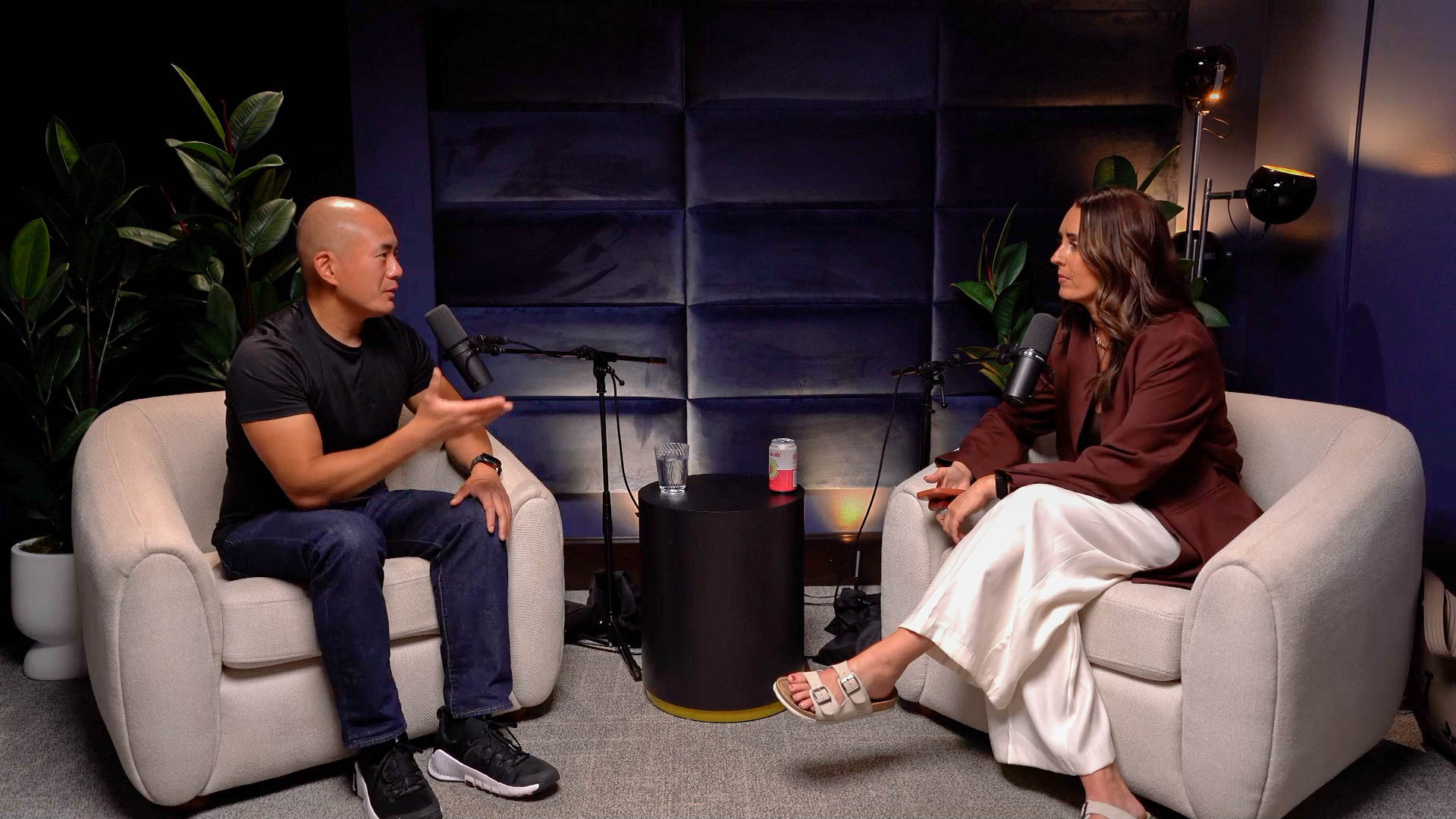
Our team sat down to chat with executive coach and author Simon Alexander Ong, who has built his entire framework around this idea, and it reframed a lot of what we think “productivity” even means. Here’s the breakdown, and how to use it when you’re the one running the business.
Energy Management Is Different from Time Management (Here’s Why It Matters More)
Energy management means protecting your physical, mental, emotional, and spiritual capacity, not just blocking hours on a calendar, but recognizing what takes it away.
Time management asks “when will I do this?”
Energy management asks “will I have anything left when I get there?”
Ong puts it simply. Energy is one of the most attractive, magnetic qualities a person can have, because it’s what draws people toward you. But energy isn’t something you perform, it’s a reflection of the internal work you’ve already done. You can’t fake it in a client meeting for very long.
Maya Angelou’s line captures it perfectly. “People will forget what you said, and they’ll forget what you did, but they will never forget how you made them feel.”
For any small business owner, that’s not a nice sentiment, it’s a daily business reality. Your portfolio gets you the meeting, but your energy is what gets you the signed contract, the referral, and the client who comes back next year.
Is energy management more important than time management? For anyone in client-facing or creative work, yes, because a perfectly scheduled day still fails if you don’t have the capacity to actually show up in it.
The 4 Types of Energy That Determine How You Show Up
Simon breaks energy into four areas – physical energy, mental energy, emotional energy, and spiritual energy. Most of us only manage one of them, usually the physical one, and usually badly.
1. Physical Energy: The Foundation Everything Else Sits On
Physical energy is sleep, movement, and nutrition. It sounds obvious, which is exactly why it’s the first thing to slip when a business gets busy.
Ong has talked openly about learning this the hard way. He started his career in financial services in 2007, a year before the industry collapsed, working long hours, skipping meals, and running on almost no sleep. Does that sound familiar?
Eventually his body simply stopped cooperating with the pace he was setting. He couldn’t build anything sustainable until he fixed the foundation first.
The takeaway. No strategy, tactic, or client-management skill matters if you don’t have the physical energy to execute it. If your business is struggling and you can’t figure out why, check your sleep and your meals before you touch your marketing plan. And no, four shots of espresso so you can get some energy first thing in the morning isn’t a sustainable strategy.
2. Mental Energy: Your Focus, Creativity, and Response to Setbacks
Mental energy is how you think under pressure. Your focus, your creativity, and how you respond when a project goes sideways. It’s what lets you solve a client’s problem instead of just absorbing their stress.
This is the dimension that erodes fastest when you’re overloaded, because a tired brain defaults to reacting instead of creating. A designer with strong mental energy sees three solutions to a scope-creep request. A designer running on empty just says yes and resents it later.
3. Emotional Energy: The Two Sales Every Business Owner Has to Make
This is where Ong’s framework gets genuinely useful for anyone running a small business. There are always two sales happening. The first, and the one that determines everything, is selling yourself to yourself. The second is selling yourself to a client.
If you don’t believe in the value you bring, it becomes almost impossible to convince anyone else. This is the invisible reason so many talented designers or photographers underprice themselves, over-explain their rates, or apologize before presenting their work. It’s not a pricing problem, it’s more of an emotional-energy problem.
The takeaway. Before your next client pitch, pricing conversation, or portfolio update, ask yourself honestly whether you’ve made the first sale yet. If you haven’t sold yourself on your own value, no script is going to fix the second sale.
4. Spiritual Energy: Meaning, Purpose, and Why Clients Can Tell the Difference
Spiritual energy is about meaning. Doing work that’s genuinely connected to a sense of purpose, not just a paycheck. And the part that should matter to every service-based business is that people can feel the difference between someone who loves the work and someone who’s just going through the motions.
You’ve experienced this as a customer somewhere. The barista who actually likes coffee, the designer who gets genuinely excited about your brand instead of treating it like ticket #47 this month. That energy is infectious, and it’s also completely un-fakeable, which is exactly why it’s worth protecting.
Why Comparison Is Quietly Draining Your Energy
Here’s a scenario every small business owner has lived through. You’re in a group chat, a mastermind, or a comment section, and someone mentions a number that stops you cold. A client spending six figures a month on ads, or a competitor blowing up on a platform you’re not even using.
The instinct is to immediately add that thing to your own to-do list. We’ve all been there. But Ong’s advice here cuts against that instinct entirely. You can’t run full speed in every lane, so you have to pick yours. He recommends focusing your own energy on a small handful of channels, the ones that actually suit you, and letting everything else pass by without guilt.
For small business owners, this usually shows up as platform overwhelm. You don’t need to be on TikTok, Instagram, YouTube, LinkedIn, and a newsletter simultaneously just because someone else is winning on one of them. The question isn’t “what is everyone else doing?” It’s “what’s relevant to the specific path I’m building?”
If someone tells you they made real money on a platform you have zero interest in, that’s genuinely great for them, and irrelevant to you. If someone shares a strategy on a channel you’re already using, now you’re actually learning something you can apply. Diluting your energy across every platform guarantees slow progress everywhere, but concentrating it on two or three guarantees real progress somewhere.
The Circle Exercise That Puts Your To-Do List in Perspective
Ong describes a visual that reframes urgency better than any productivity hack. A grid of 80 blank circles, representing an average 80-year lifespan. Shade in the circles for the years you’ve already lived, and look at what’s left.
It’s not a lot. That’s the point.
This isn’t meant to be morbid. It’s meant to be clarifying. Ready isn’t a feeling you wait to arrive. It’s a decision you make. Once you decide you’re ready, your energy shifts from thinking about what could go wrong to actually building what’s next.
Try this before your next quarterly planning session. Shade in your own circles first, then look at your task list. Which of those tasks actually deserve a share of the time you have left? Which ones are just noise you’ve been treating as obligation?
A 3-Step Gratitude Exercise That Shifts Your Energy in Under 5 Minutes
Of all the practical tools in Ong’s work, this one is the easiest to actually use today.
- Write down the name of one person you’re grateful for. The first person who comes to mind, no overthinking.
- Write down specifically why, in as much detail as you can. Vague gratitude (“thanks for everything”) doesn’t land the same way specific gratitude does.
- Call them, or send a voice note, and tell them exactly what you wrote.
That third step matters more than it sounds like it should. A text message or email leaves the recipient to guess at your tone, but a voice note carries the actual emotion behind the words, which means both of you feel the shift, not just them.
What is a good gratitude exercise for entrepreneurs? This one, specifically, because it’s active rather than passive. Writing gratitude in a journal is reflective. Sending it to the actual person is relational, and relational energy is what builds referrals, repeat clients, and a business that doesn’t feel lonely to run.
What to Do When Fear of Judgment Is Holding Your Business Back
Almost every business owner has a version of this story. A decision they made and then hid from the people closest to them, because they were afraid of the reaction. Ong has spoken about not telling his own father he’d left a stable job to build something uncertain, not because his father was unkind, but because the fear of disappointing him felt bigger than the fear of failing.
Here’s a good reframe. People will judge you if you take the risk, and people will judge you if you don’t. If judgment is unavoidable either way, it stops being a reason not to act, it just becomes noise.
This is where the “ready is a decision, not a feeling” idea earns its keep. You will not wake up one day feeling fully prepared to raise your prices, launch the redesign, or tell your family what you’re actually building. Waiting to feel ready is often just fear wearing a more acceptable-sounding outfit. Deciding you’re ready, even before the feeling catches up, is what actually moves things forward.
One Practical Way to Turn Ideas Into Action Today
If there’s a single habit to take from all of this, it’s this. Collapse the gap between idea and execution by focusing only on what’s in your control.
Most of us don’t lose energy to action. We lose it to thinking about thinking, replaying a decision, worrying about a client’s reaction, second-guessing a choice that’s already been made. None of that is in your control. What is in your control is the next email, the next design decision, the next five minutes of focused work.
A quick gut-check for any task on your list. Is this something I can actually act on right now, or is it something I’m just worrying about? If it’s the second one, set it down. It’s not helping.
Protecting Your Energy Is the Real Productivity Hack
Here’s what all four dimensions have in common. None of them show up on a to-do list, and all of them determine whether the to-do list gets done well. Time management fills your calendar. Energy management determines what kind of person shows up to it.
You don’t need to overhaul your entire life this week. Pick one dimension, physical, mental, emotional, or spiritual, and protect it deliberately for the next seven days. Notice what changes in how clients respond to you, not just in how much you get done.
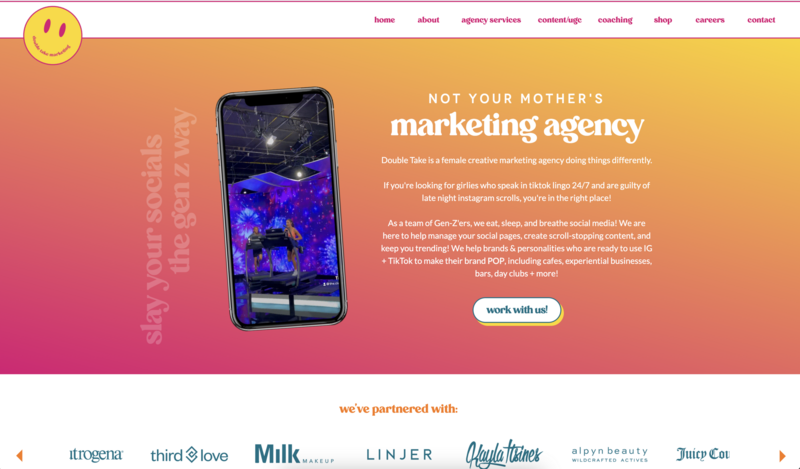
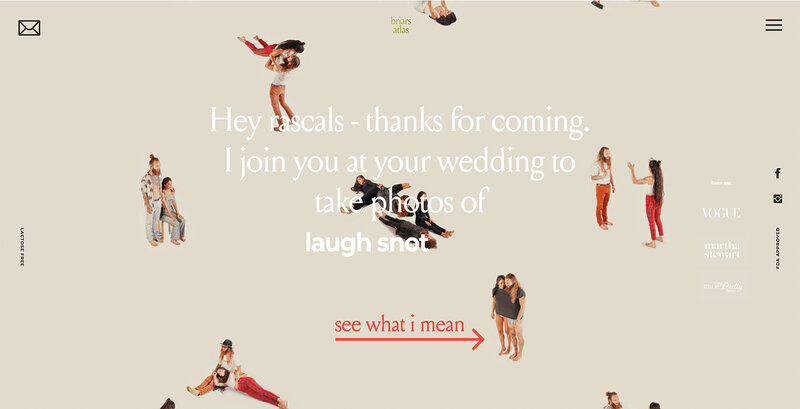
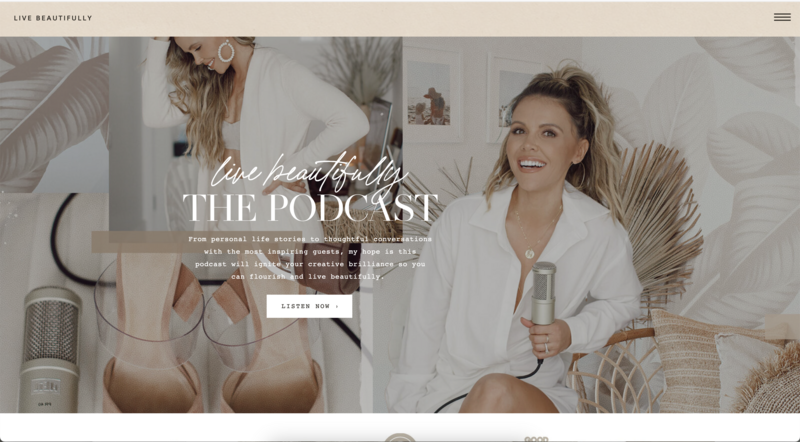
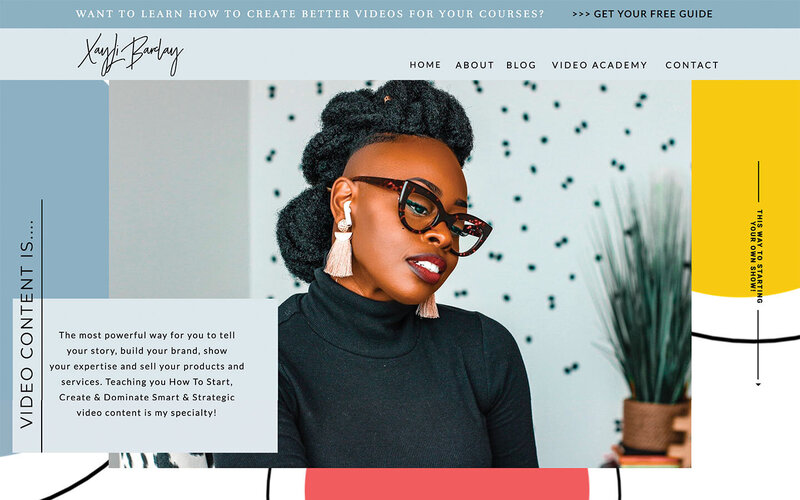
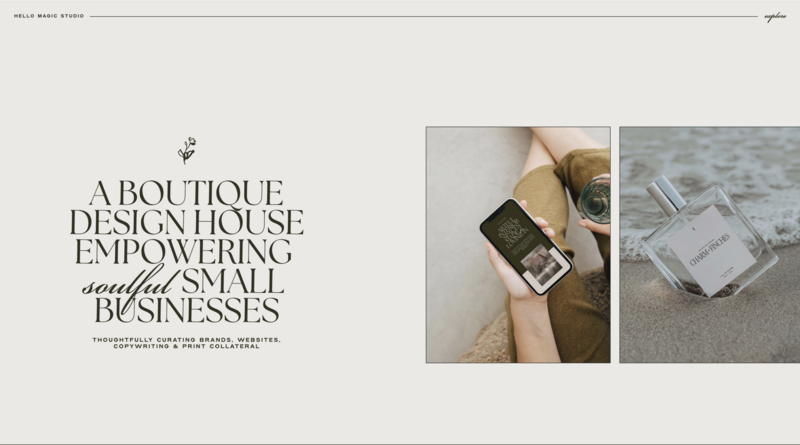
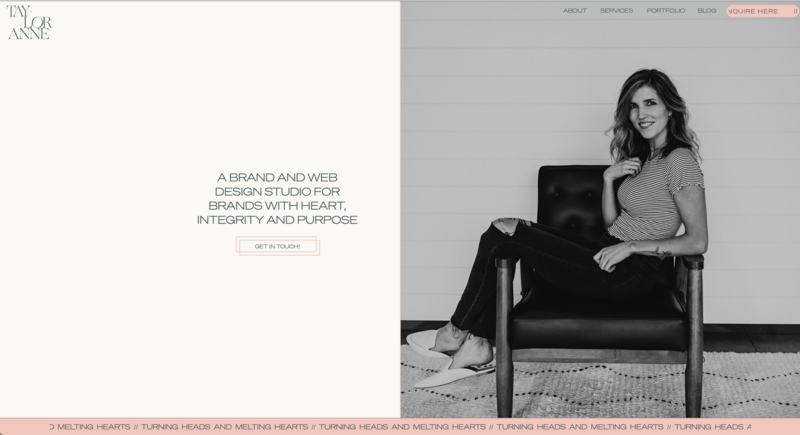
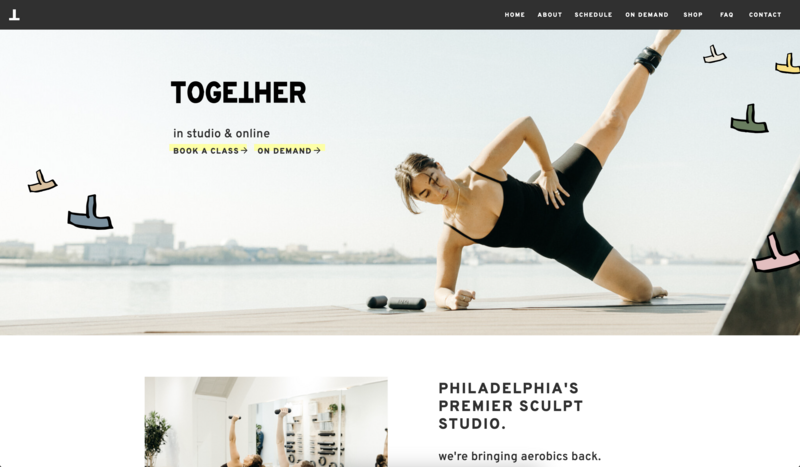
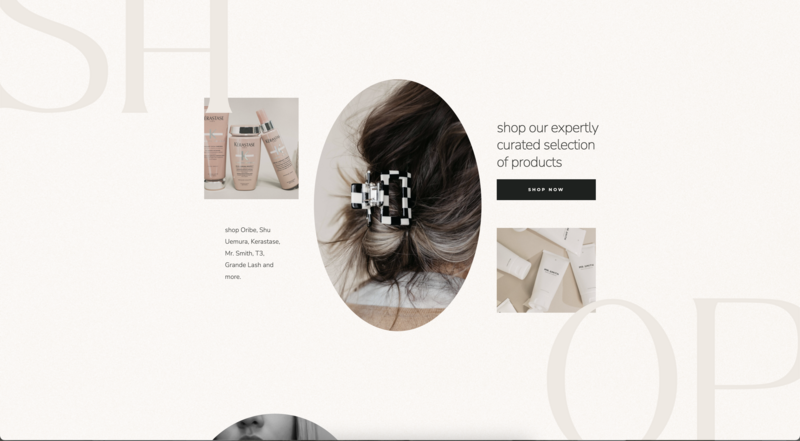
The same logic applies to your website. It should reflect the energy you actually want to bring to your work, not drain more of it by fighting with rigid templates or code you didn’t sign up to learn. Showit’s drag-and-drop builder gives you full creative control without the technical overhead, so the platform matches the energy you’re trying to protect instead of pulling from it.
Ready to build a site that actually feels like you, instead of one more thing draining your energy? Try Showit free for 14 days and see what it’s like to design without the fight.