Load Newsreader Bold Font
A Forbes article recently made the rounds in the office, and it brought up some thoughts worth sharing.
It made a point that's simple, but hard to hear, that is most business owners don't actually own their business. Their business owns them.
Does that hit a nerve?
It's true though, a lot of people want to be their own boss to have more “freedom”, but usually, those are the people who end up working way more hours than most W-2 employees. And after all the expenses, taxes, health insurance, they are lucky to even make what their friends make at their jobs.
So what went wrong?
Well nothing really, they just built the wrong thing without realizing it. They built a job, one that depends entirely on them showing up, instead of a business that can grow and eventually run without them always having to be there.
For creatives especially, photographers, designers, coaches, copywriters, this trap is easy to fall into and hard to see from the inside. They're talented, busy, and things seem to be working.
But here's what they, and you, need to consider, If they step away, will there be anything to come back to?
That's the question this article will help you answer for your situation.
The Difference Between Working In Your Business and Working On It
Here's the distinction that changes everything.
Working in your business is doing the work, shooting, designing, writing, coaching, delivering. It's what you're good at and probably why you started.
Working on your business is thinking about the structure underneath it, how clients find you, how you convert them, how to double the effort to get quadruple the output, and where the money actually goes.
Most creatives spend nearly all of their time in the first category. Not because they're lazy, but because no one ever told them the second category was part of running a business.
The result is a business that only works when you do. And a ceiling you can never quite break through, no matter how good your work gets.

Why Improving Your Craft Stops Being the Answer
There's a belief that runs deep in creative communities: if the work is good enough, the clients will come.
It's not a crazy idea. It just has a shelf life.
Early on, getting better at your craft genuinely does move the needle. Quality builds reputation. Reputation builds referrals. But at some point, and most creatives blow right past it without noticing, skill stops being the bottleneck.
The bottleneck becomes everything else.
You can be one of the best photographers in your city and still have a slow inquiry month because your website isn't working.
You can be a genuinely talented designer and still undercharge because you've never sat down to figure out what your time actually needs to cost. You can deliver incredible client experiences and still feel like you're starting from zero every January because you have no systems for finding new work.
Talent is the cost of entry. It's not the business.
What a Creative Business Actually Needs
If you want to stop owning a job and start owning a business, there are a few things that have to exist, not perfectly, but they need to be there in some form.
1. A way to find clients that isn't just word of mouth and hoping.
Referrals are great. They're also completely outside your control. A real business has at least one channel for attracting new clients that you can actually influence.
Whether it's your website ranking for the right searches, an email list you're building, a content presence, paid ads, or a system for outreach. This is what visibility actually means, and it's a skill, not luck.
By the way, as your business becomes more stable, you should eventually have all of these in place.
2. A process for turning interest into a yes, without reinventing it every time.
How you respond to inquiries, present pricing and follow up, these things matter more than most creatives want to admit.
Sales isn't a dirty word. It's just clarity.
People need to understand what they're getting, what it costs, and why it's worth it. If that process is fuzzy or inconsistent, you're losing clients you should be keeping.
If you want more on this, check out this article on making more money as a creative business owner.
3. Retained earnings in a business account that isn't your personal checking.
This one is simple in concept and genuinely hard for a lot of people to implement.
Your business needs its own financial identity. That means a separate account, a basic understanding of your numbers, and over time, money sitting in that account that belongs to the business, not to your next grocery run.
This is what gives you room to invest in tools, hire help, or survive a slow month without panic.
Imagine a world where an emergency pops up, but you promised a client a project by the end of the week. If you have some money in a business account, you could outsource the project and pay another designer to finish it on time.
That's just an example but you see how having separate business funds can really save the day.
4. Systems that let the business run without you holding it all in your head.
Every time you do something twice, there should be a template for it.
Every client interaction that feels chaotic is a process waiting to be built. The goal isn't to remove yourself fully, it's to make sure the business doesn't completely depend on you personally managing every detail. That's what creates space to grow.
5. A real answer to “how do I eventually not do all of this alone?”
Hiring feels like a distant problem until it's urgent. But the creatives who build sustainable businesses start thinking about it early. Not necessarily hiring full-time employees, but asking the question: what could someone else do, what would that cost, and what would it free me up to do instead? Even if the answer is “not yet,” having thought through it puts you ahead.
And also let's you start budgeting for a new hire, BEFORE you actually hire them.

The Shift That Actually Changes Things
The biggest difference between creatives who stay stuck and creatives who build something sustainable isn't talent. It's not even strategy.
It's how they see themselves.
As long as you think of yourself as a creative who's trying to get clients, you'll always be in reactive mode adjusting your prices downward when things get slow, wondering if you're good enough.
But the moment you start thinking of yourself as a business owner who happens to create, your decisions get different. You start protecting your time differently, price with confidence and invest in things that serve the business, not just the work.
That shift isn't something you earn after hitting a revenue milestone. It's something you choose.
Where to Start (Without Burning Out)
You don't need to do everything at once. Here's a simple way to get traction:
1. Pick one income path and go deep on it
Stop trying to offer everything. Lead with one service, build proof around it, and expand from there.
You can always offer more services as add-ones once your core offer is proven to work.
2. Open a separate business bank account this week
Seriously, this week. It's a small action with a big psychological effect. Your business starts to feel like a real thing when it has its own financial identity.
3. Identify your weakest pillar.
What's the thing you keep thinking “I really need to find a better way to do this”
- Visibility
- Conversion
- Systems
- Finances
Pick the one that's most broken and spend 90 days focused there. Then come back to it and see if you are in a better spot.
4. Build one system this month.
Pick something you do repeatedly
- onboarding a new client,
- responding to inquiries
- sending a proposal
Make a repeatable process for it. One is enough to start. You can focus on systematizing everything else once you prove you can do it once.
5. Ask “what would this look like if I didn't have to do it personally?
Not as a fantasy, as a real planning question. Get in the habit of thinking about the business as something that should eventually be able to run with some independence from you.
Here's A Quick Gut Check
Want to know if you're actually running a business or just a very busy job? Ask yourself:
- If you took a month off, would any revenue still come in?
- Do you have a business bank account with money in it that you haven't spent?
- Is there at least one way new clients can find you that doesn't depend on you personally doing something?
- Do you have any documented processes, or does everything live in your head?
- Could you hand off any part of your work to someone else without starting from scratch?
If most of those answers are “no”, that dosn't mean you are failing, it just means you need to make a mindset shift from creative, designer, or photographer to business owner.
The goal isn't a perfect business.
It's a business that doesn't collapse every time you step back from it, one that grows because you're building it, not just because you're working in it.
And this is completely doable, It just takes treating the business itself as something worth building.
The Tools That Make This Easier
Skills come first. Always. But once you know what you're building toward, the right tools stop feeling like expenses and start feeling like leverage.
Here's a few things you'll want to have in place or be working on as your business grows.
Your website
This is your hardest-working business asset, and for a lot of creatives, it's also the most neglected one.
Your website is your first impression, your pitch, and should be your best salesperson, running constantly in the background. If someone Googles you at 11pm on a Tuesday and your site doesn't clearly communicate who you are, who you help, how much it costs, and what to do next, you've lost them.
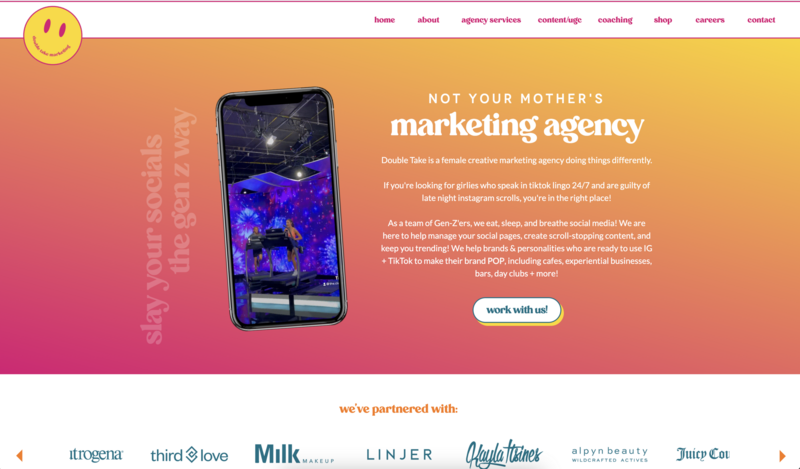
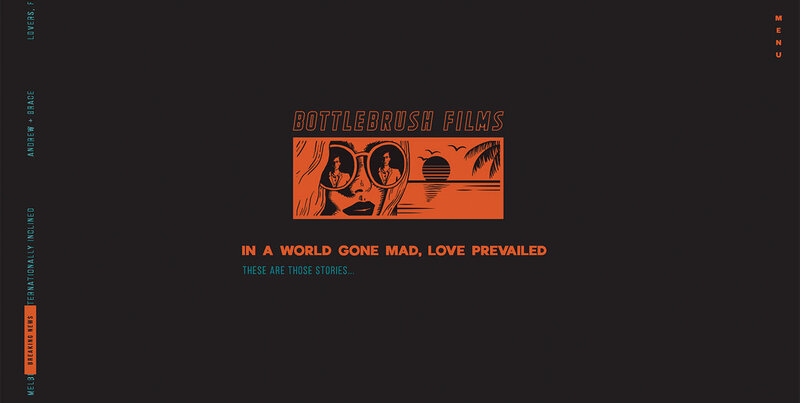
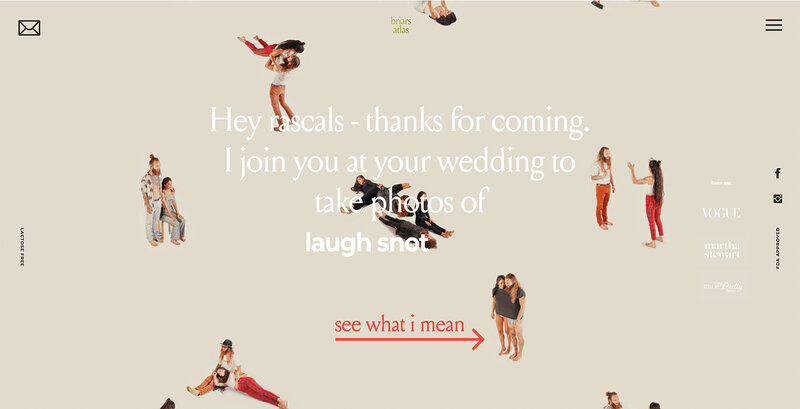
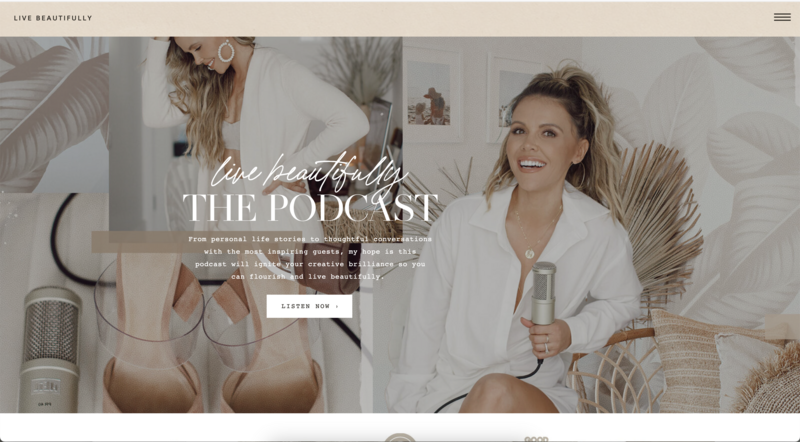
That's worth taking seriously. (Showit is built specifically for creative entrepreneurs who want a site that actually looks like their work and works as hard as they do.)…ok, shameless plug over.
Your email list
Social media is borrowed land. Algorithms change and platforms come and go.
Your email list is the one audience you actually own and it's one of the few marketing channels that compounds over time. If you don't have a way to capture emails from people who visit your site or follow your work, you're ignoring one of the most valuable business assets.
(BDOW! is a a good solution for this, it integrates directly with Showit and makes it simple to create popups and forms for your website.)
A CRM or workflow tool
This is the unglamorous one, but it matters.
A simple system for tracking leads, following up with inquiries, and managing active clients is what separates a business that feels chaotic from one that feels like it's actually running. It doesn't need to be complicated, it just needs to exist.
None of these tools do the thinking for you. But when the strategy is clear, the right tools mean you're not rebuilding the wheel every time a new client comes through the door.
(HoneyBook is a good option to get started and if you want simplicity.
Pro tip for Showit users
If you A, already have a Showit website, or B, are interested in building a site on Showit, HoneyBook may be the perfect option for you.
Showit and HoneyBook have collaborated to create client management templates in the same style as some of they best website templates. That way, you can ensure a seamless client experience from inquire to project delivery.

Sarah has been part of the Showit team for nearly four years, where she works as a copywriter crafting content that educates, encourages, and celebrates the creative entrepreneurs who make up the Showit community. When she's not writing, you'll find her with a book in hand (usually something about leadership or personal growth), cheering on Arizona sports teams, or connecting with people over a really good cup of coffee because, let's be honest, there's always a cup nearby. Sarah believes in the power of stories, the importance of showing up authentically, and that every entrepreneur deserves to be celebrated for the brave work they're doing.