Load Newsreader Bold Font
If you've ever looked at another photographer's feed and thought, I need to be doing what they're doing, this one's for you.
It's tempting to believe the missing piece is a better niche, a more defined style, or finally committing to the genre everyone else seems to be crushing. But most photographers who burn out or stall don't do it because they picked the wrong niche. They do it because they stopped building something that was actually theirs.
At WPPI 2026, photographer and educator Sandra Coan (27 years in, two books, still shooting in her Seattle studio) said something worth sitting with:
“I'm not a believer in one genre. I'm a believer in a look and a point of view.”
That's the whole thing, right there.
Niche vs. Point of View: Why It Actually Matters
The photography industry loves to tell you to niche down. Pick a lane. Be the newborn photographer, the wedding photographer, the brand photographer. And look, specialization isn't bad advice, it's just incomplete.
A niche is what you shoot. A point of view is how everything you shoot looks and feels. And only one of those can actually be copied.
Sandra learned this firsthand. Early in her career, she had a working portrait and newborn business in Seattle. Then she talked herself into pivoting to weddings; not because she loved them, but because she'd convinced herself that's where the real money was. Photojournalism was trending, so she followed it.
“I would have to see a bride in a wedding dress and get sick to my stomach,” she said. “Which is not somebody you want at your wedding.”
The business nearly collapsed. When she came back to portraits, she made more than she ever had shooting weddings, and built something she could sustain as a stay-at-home mom of twins, on her own schedule, in her own studio.
The genre was never the point. Her specific way of seeing people was.
You Don't Need to Feel Ready
Here's something nobody tells you when you're starting out: you don't need to feel ready. You just need to start.
Sandra got her first client by putting out postcards. She showed up to a stranger's house, photographed a pregnant woman, and figured it out as she went. She was terrified. She stayed terrified for years. And she kept showing up anyway.
“I literally didn't know enough to know that it shouldn't work,” she said.
That naïveté turned out to be one of her biggest advantages. She wasn't paralyzed by what she was supposed to do. She was just doing it.
Confidence doesn't arrive before you act; it gets built after. That's true whether you're taking your first paid session or speaking on stage at a major industry conference. (Which, by the way, Sandra was doing while quietly thinking what am I doing here? She asked around. Everyone else was thinking the same thing.)
Imposter syndrome doesn't go away when you make it. The shift is learning to move with it, not waiting until it disappears.
Put the Blinders On
Sandra was honest about this: she has a lot of empathy for photographers starting today; not because the craft is harder, but because the noise is so much louder.
When she started, there was no Instagram, no TikTok, no endless scroll of other people's work to measure herself against. She was just in her own world, building her own thing. That wasn't a limitation. It's how she figured out what she actually was.
Comparison is sneaky. It doesn't just distract you; it slowly pulls you away from the thing that makes your work worth paying for. Every time you tweak your style to match a trend or chase a genre because it looks more profitable, you move further from the work only you can make.
Her advice: put on the blinders. Racehorses wear them so the crowd doesn't spook them mid-race. Your business needs the same. Stop following trends long enough to hear what your work is actually trying to be; then build that, intentionally, without constantly looking sideways.
Define What Success Actually Looks Like for You
The photography industry is obsessed with six-figure milestones. But for a lot of photographers, that number isn't even the goal — they just want an extra $1,000 or $2,000 a month. A little breathing room. A little less stress.
Sandra's first session was $175. On film. She handed the client a bag of negatives and walked away, thinking what is this witchcraft? It wasn't much. But it was proof that the thing worked. And that small, real proof? That's how most sustainable businesses actually get built.
Before you chase someone else's version of success, get honest about what yours actually needs to look like. What does your life need right now? What would make things feel a little easier this month? Start there. A business that doesn't fit your life isn't a success; it's just a different kind of exhaustion.
When Things Slow Down, Lean In
Every photographer hits a slow stretch. The worst thing you can do is go quiet.
When business slows, the instinct is to pull back; stop posting, stop marketing, wait for things to pick back up on their own. But that's usually what turns a slow month into a slow season.When things get hard, that's the signal to work on the business, not hide from it. Update your portfolio so it reflects the work you actually want to book.
Check whether your website still looks like where your brand is now. Blog. Show up. And ask for help when you need it — from a mentor, a community, a peer who's been through it. Sandra spent years white-knuckling through problems she didn't have to solve alone. She'll be the first to tell you it wasn't worth it.
Your Website Has to Keep Up
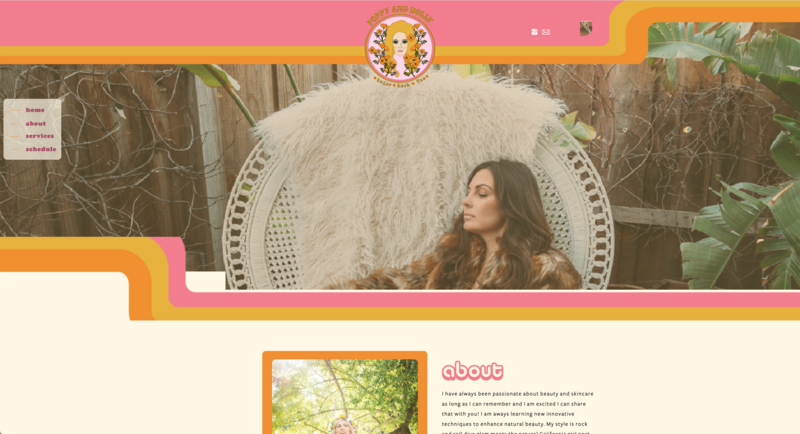
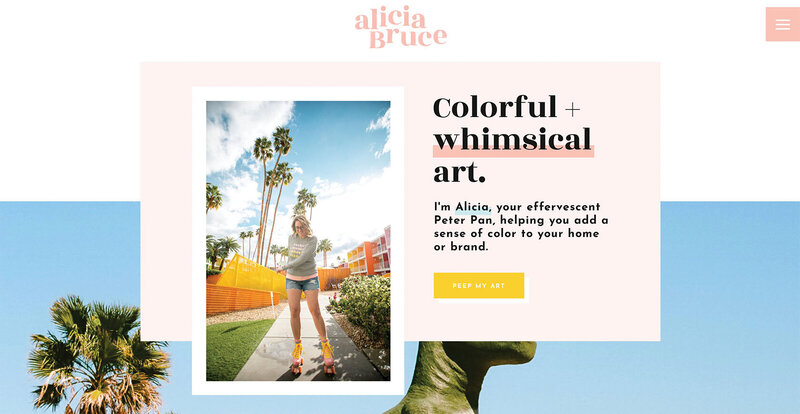
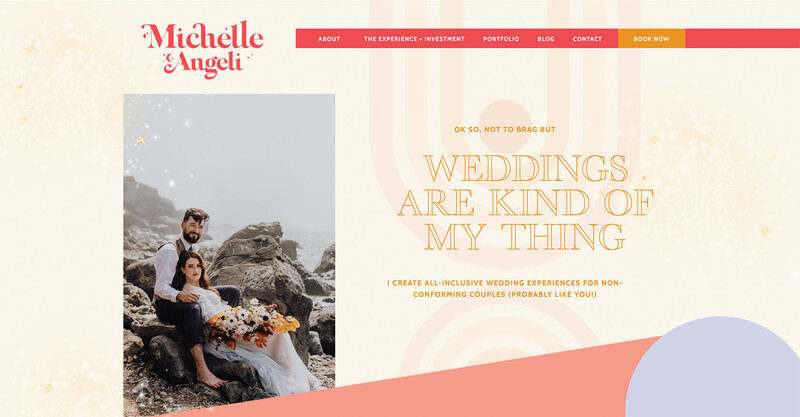
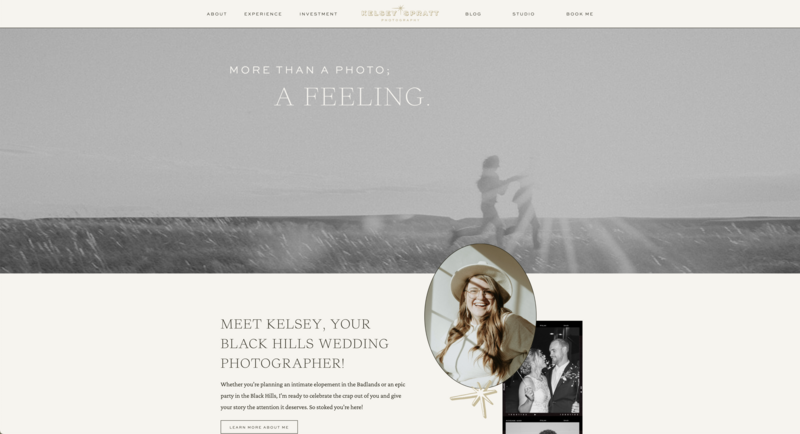
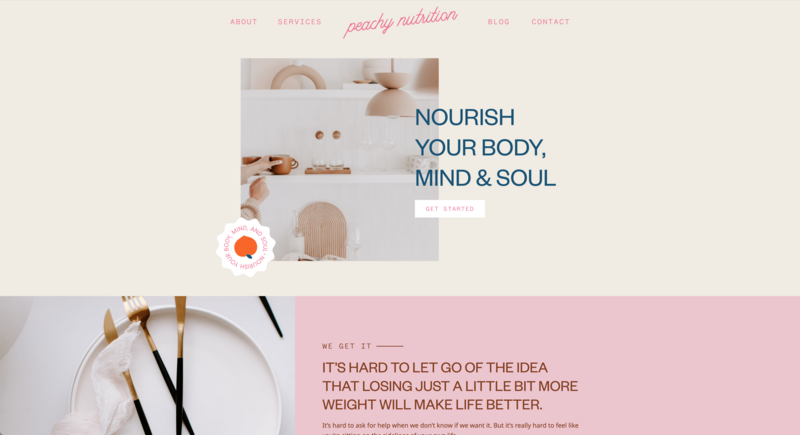
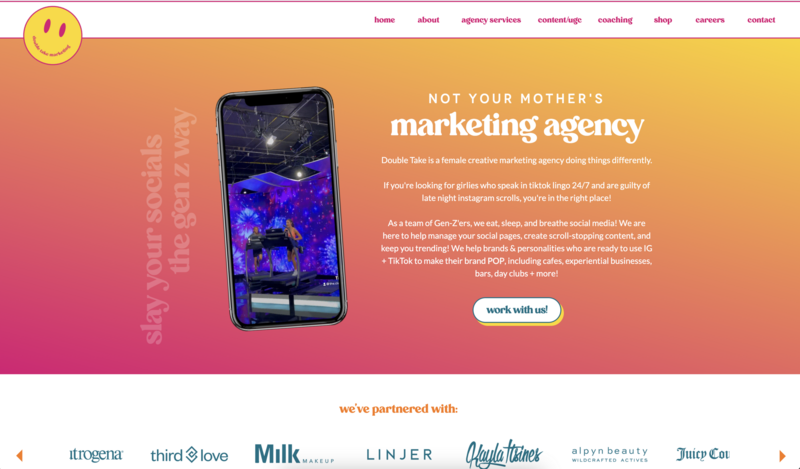
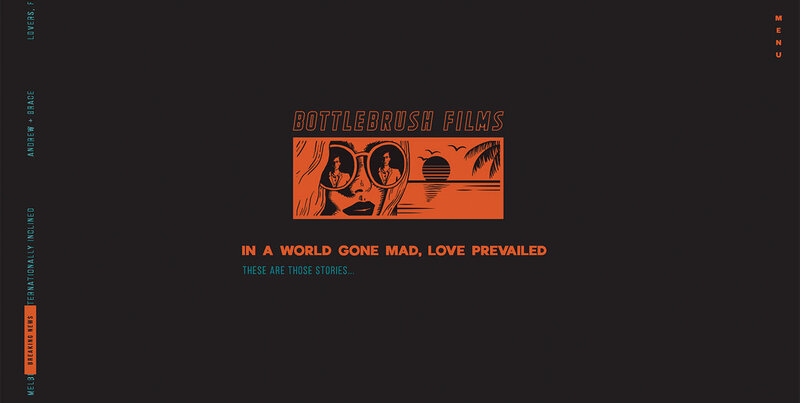
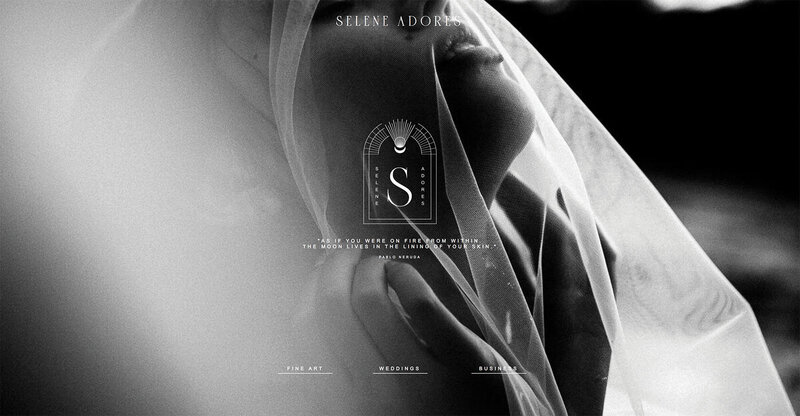
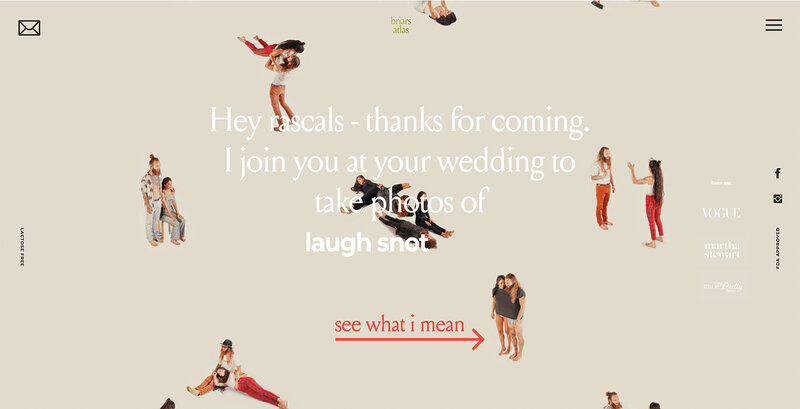
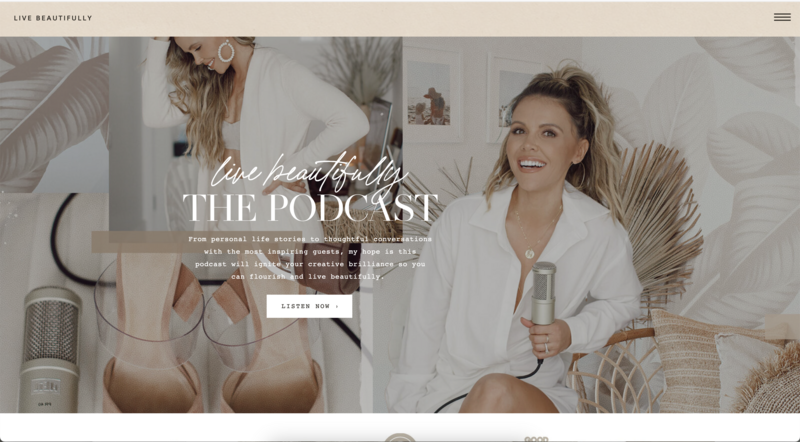
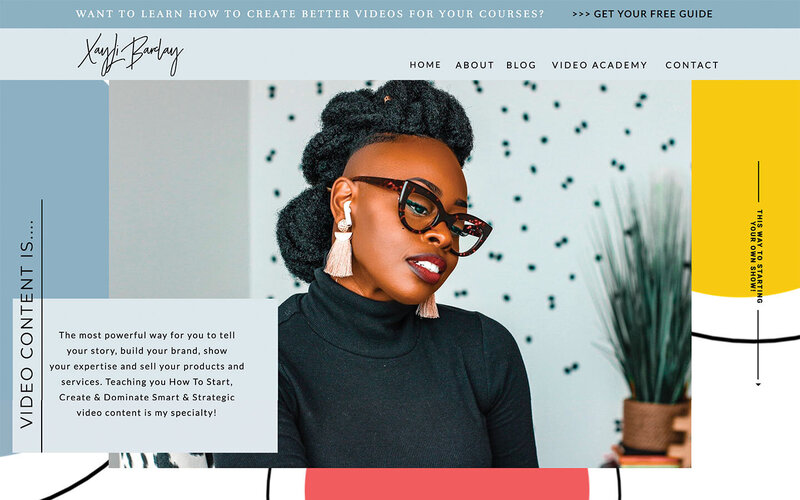
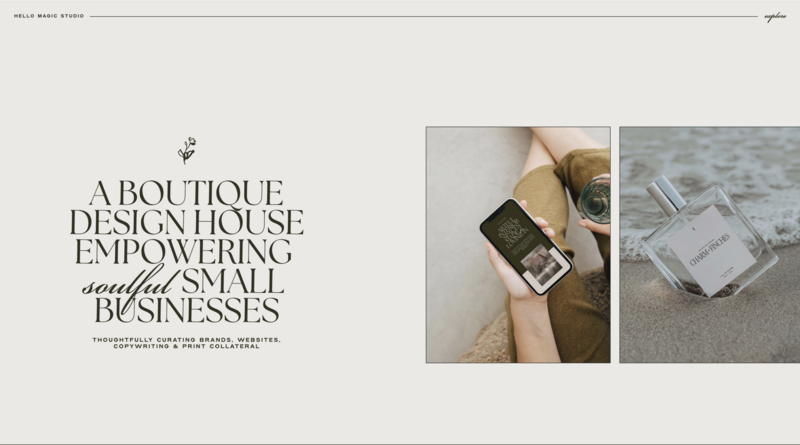
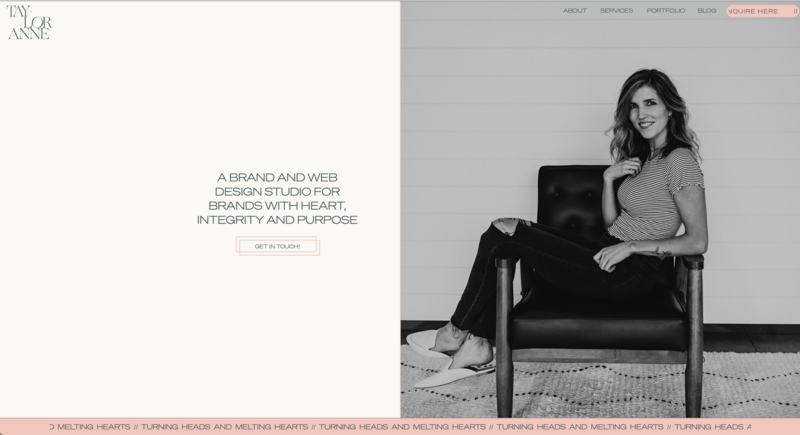
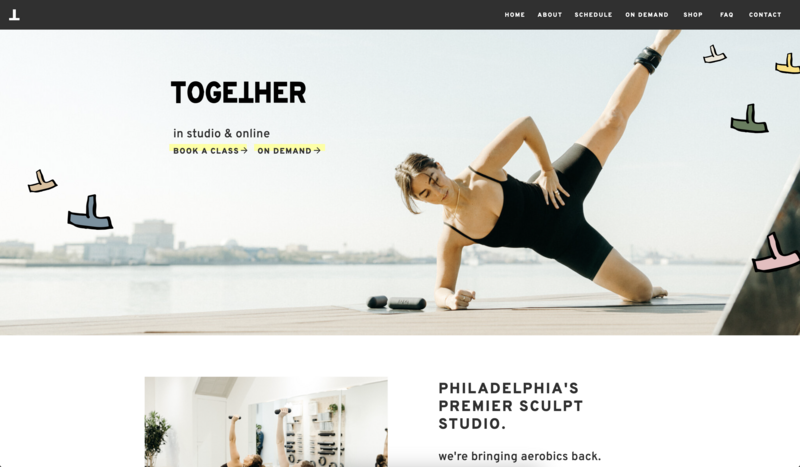
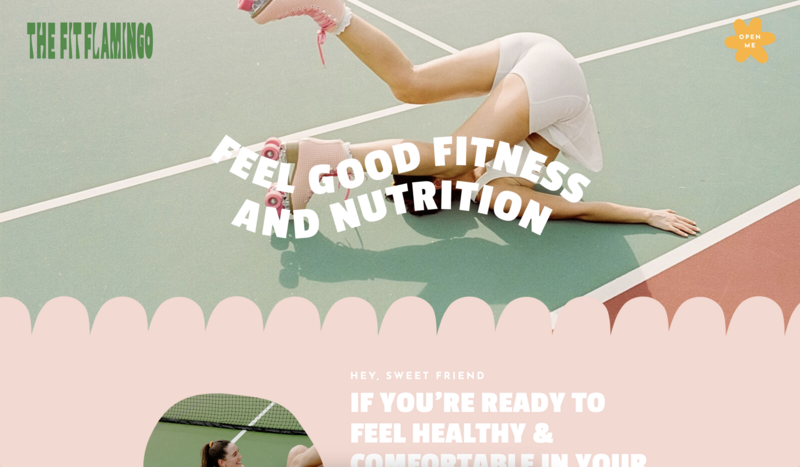
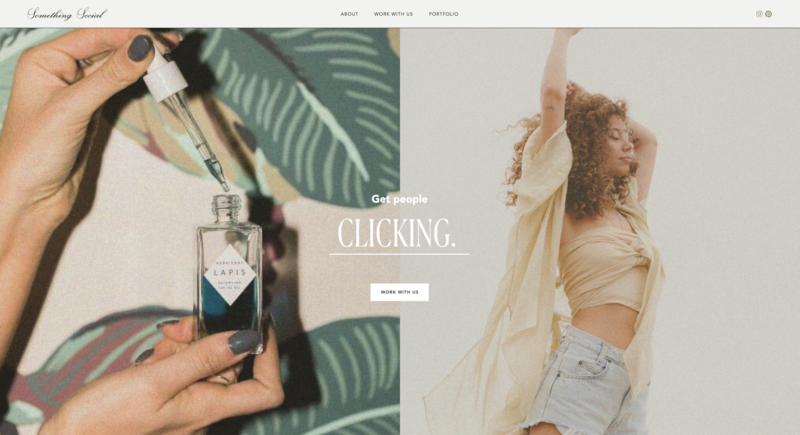
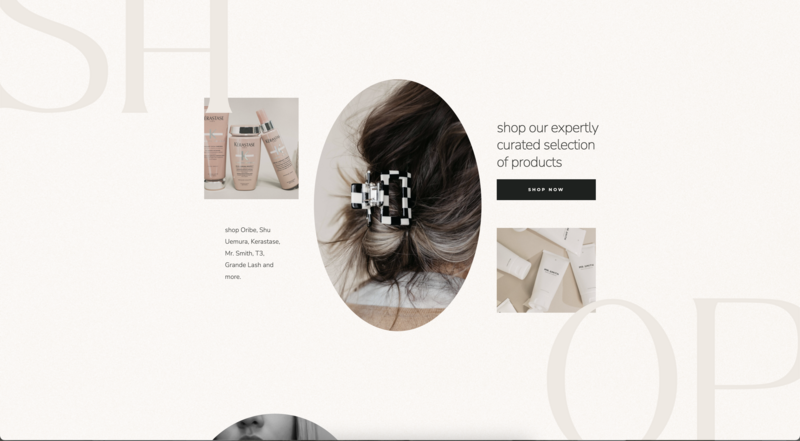
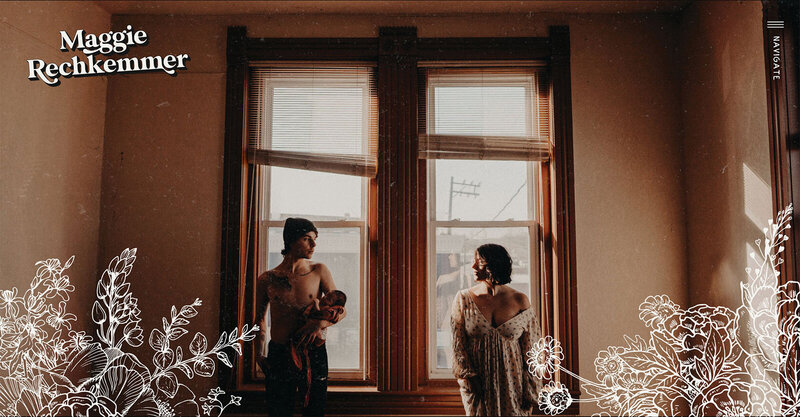
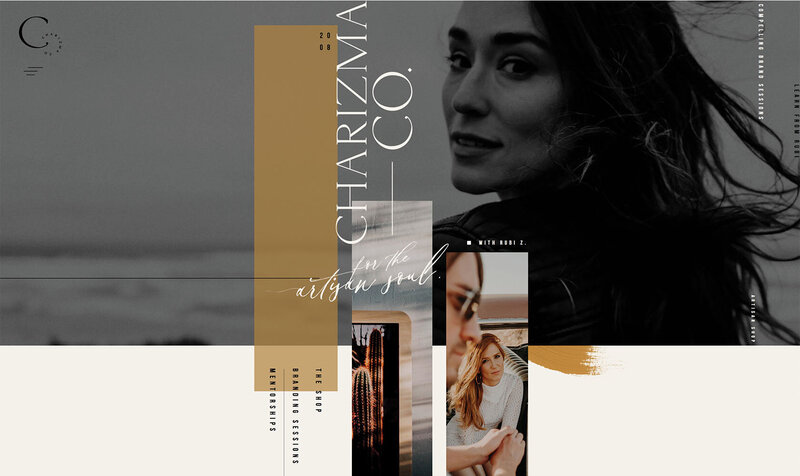
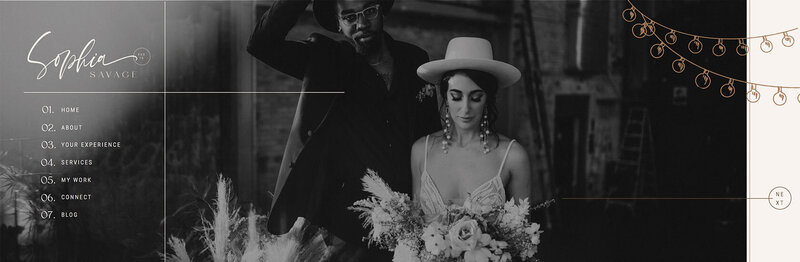
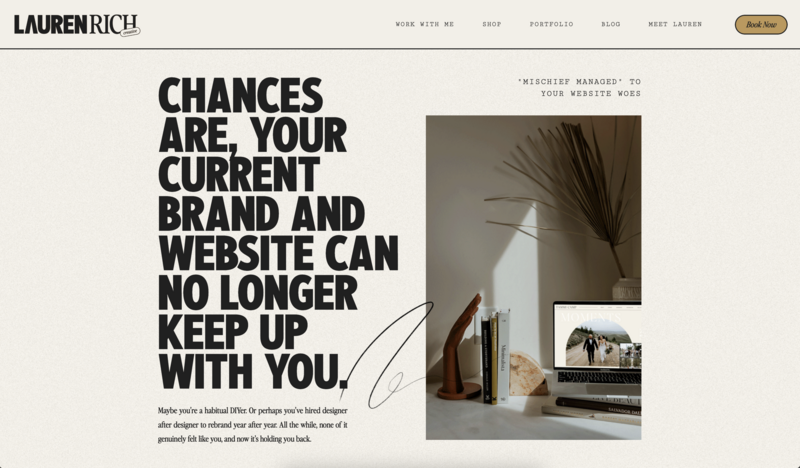
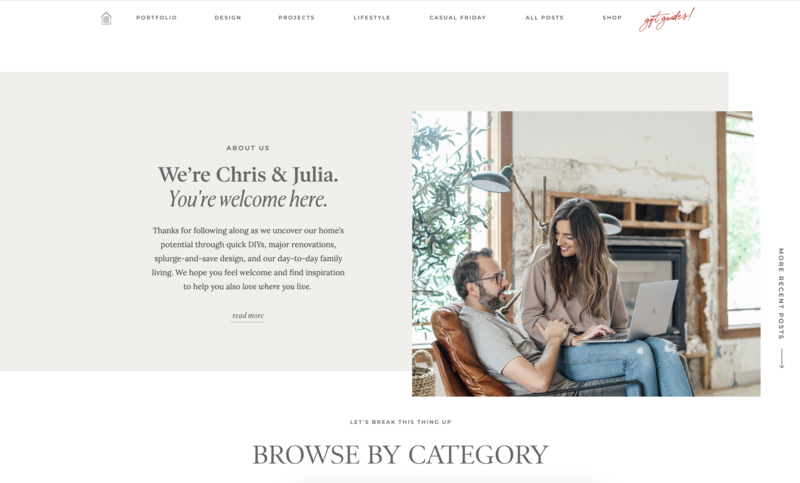
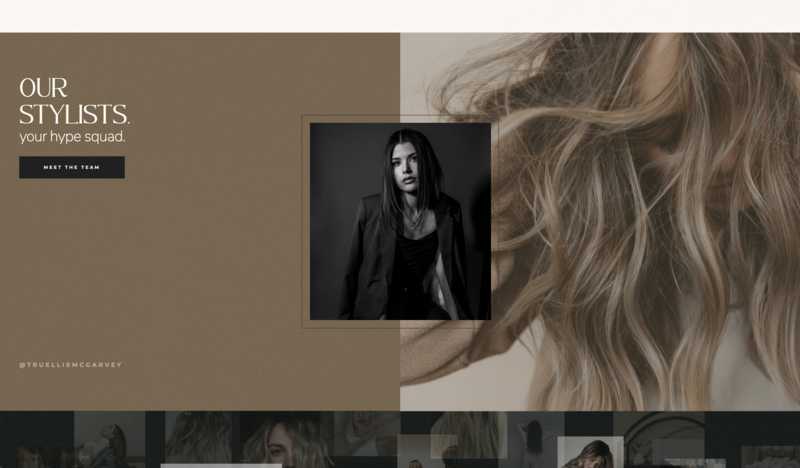
When you commit to building something genuinely yours, a real point of view, a distinct look, a brand that doesn't look like anyone else's, your website has to be able to hold all of that.
A generic template can't do that job. Not because templates are inherently bad, but because a point of view is specific. It has a feeling, a voice, a visual language. If your website doesn't reflect that, you're losing potential clients at the exact moment they're deciding whether you're the one.
Your site should feel like an extension of your work (not a placeholder you update when you remember it exists). That's what Showit was built for: giving photographers the flexibility to create something that actually looks and feels like them, without needing a developer every time your brand evolves.
Twenty-seven years is a long time to stay in any business. The photographers who last aren't the ones who had it all figured out from the start, or who chased the right trends at the right time. They're the ones who figured out what they do and had the discipline to build that, steadily, even when it was hard.
Your point of view is already there. The work is figuring out what it is, then being brave enough to lead with it.