Load Newsreader Bold Font
Most creative entrepreneurs don’t have an inconsistent brand because they don’t care about it. They have one because nobody told them which pieces actually need to work together.
You can have a beautiful logo and color palette and still have people land on your website feeling like something’s off. That feeling is more common than you’d think. Research from Capital One Shopping found that about 46% of consumers say brands don’t meet their expectations for a consistent experience.
The good news is that inconsistency is usually fixable once you know where to look.
There are five core parts of your brand that, when they’re working together, make everything feel like it came from the same place. And if you’re already building on Showit, you have more control over how those pieces come together on your site than most platforms would give you.
Here’s what those five parts are and how to get each one working for you.
The TL;DR
- A brand that feels inconsistent usually isn’t missing effort, it’s missing alignment. Nearly half of consumers say brands don’t meet their expectations for a consistent experience, and the fix usually comes down to five core pieces that need to work together.
- Your brand values are what make your decisions feel consistent. Without them, even a well designed site can feel like it belongs to a stranger.
- Your visual identity isn’t just your logo, it’s a system of colors, fonts, and imagery that needs to hold together everywhere someone finds you. Every time it feels slightly off, you’re resetting the work you’ve already done to get someone’s attention.
- Your brand voice is how people recognize you across every platform. When your website sounds like a different person than your emails or your social media, people notice even if they can’t explain why.
- A beautiful site can still feel distant if there’s no human presence behind it. Video is usually the fastest way to close that gap and give someone a real sense of who they’d be working with.
- Brand experience is what people feel when they interact with you, starting from the moment they land on your site. The details most people overlook, navigation, forms, confirmation pages, are often where trust is either reinforced or quietly lost.
- You don’t have to fix everything at once. Most inconsistency comes down to one or two pieces being out of alignment. Start there and the rest tends to follow.
1. Your Brand Values: The Reason Some Brands Feel Purposeful and Others Don’t
Of the five pieces we’re covering, this one is the most overlooked.
Most folks can describe their style or their process, but ask them what their business actually stands for and the answer gets fuzzy fast. That fuzziness is usually what makes a brand feel generic even when the visuals are strong.
Your values are the reason your decisions feel consistent. They’re what connects the way you write your emails to the way you price your services to the kind of clients you say yes to.
When they’re clear, everything else feels intentional. When they’re not, even a beautiful website can feel like it belongs to someone you don’t quite know yet. Research from
Capital One Shopping found that brands with a strong sense of purpose are 4.1 times more likely to be trusted by consumers, which makes this one worth getting right before you touch anything else.
Figure Out What You Actually Stand For
Start by identifying three to five values that genuinely guide how you work, not aspirational ones you wish were true, but the ones that already show up in how you make decisions.
Then find real examples of each one. Think about a policy you have, a client situation you handled a certain way, or a creative choice that reflected what you believe. Those examples are what make values feel like something real rather than just words on a page.
How to Show Your Values on Your Showit Site
Your about page is the most natural place to bring this to life, but it doesn’t need a formal values section to do it.
The way you present yourself across your site, through your writing, your imagery, your story, already communicates what you stand for whether you intend it to or not.
If you want to be more explicit about it, a short section with some real context behind each value tends to land better than a row of icons with one word underneath them.
2. Your Visual Identity: The Part Most People Start With but Few Actually Finish
This is usually where people start, and for good reason. Your visual identity is the most immediately visible part of your brand.
But starting here is also where inconsistency creeps in, because most people build their visuals in pieces over time without a clear system holding them together.
Most people build their visuals in pieces over time without a clear system holding them together, and suddenly everything looks slightly different depending on where someone finds you.
Capital One found that it takes five to seven impressions for consumers to actually remember a brand, which means every time your visuals feel slightly off from one place to the next, you’re resetting that clock.
Build a Visual System, Not Just a Look
The goal isn’t just to have a logo you like. It’s to have a set of visual decisions that hold together consistently across all of your platforms.
That means defining your colors specifically, not just “warm tones” but actual hex codes. It means choosing two or three fonts and sticking to them. It means having a clear sense of what kind of photography or imagery fits your brand and what doesn’t.
How to Lock Your Visual Identity Into Your Showit Site
Showit makes this easier than most platforms because you can set your brand colors and fonts once and pull them through every page consistently.
Upload your custom fonts, save your brand colors, and build out your headers, buttons, and section styles so they match across the whole site.
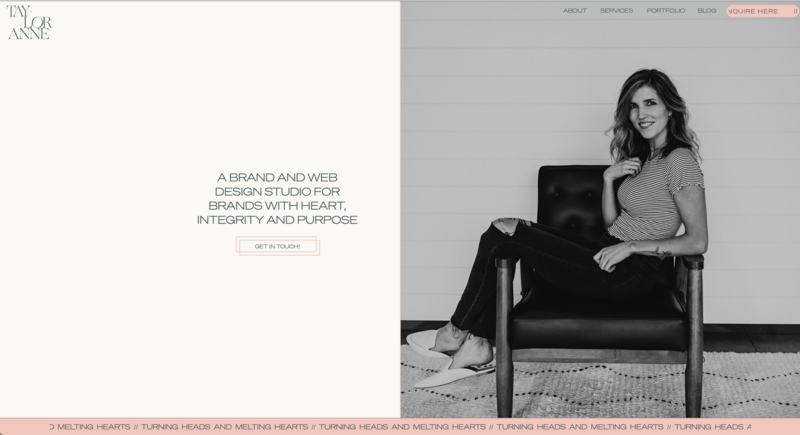
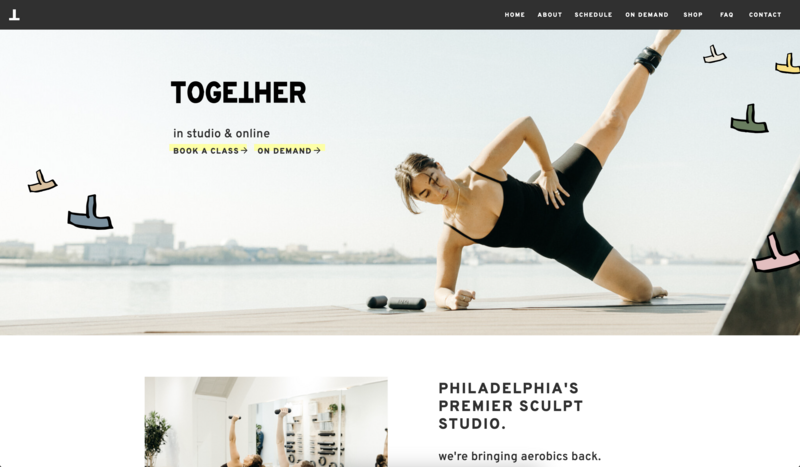
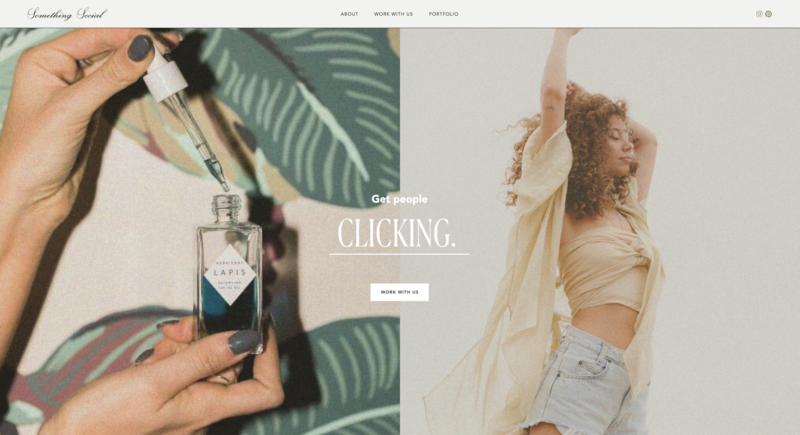
When your homepage, blog and your contact page all feel like they belong to the same brand, that consistency does a lot of work for you before a visitor reads a single word.
3. Your Brand Voice: Why Your Website Sounds Like a Different Person Than Your Instagram
You put real thought into your visuals but then write your homepage copy in a hurry or let someone else write it. Suddenly the person your site sounds like isn’t quite the person your Instagram sounds like.
Your potential clients notice that disconnect even if they can’t articulate why.
Research from Buzzstream found that 79% of consumers are more loyal to brands with consistent communication, which suggests that how you say things matters about as much as what you say.
Find Your Voice Before You Write Another Word
Start by reading through your existing copy across your website, emails, and social media. Does it all sound like the same person?
If some of it feels stiff and some of it feels loose, that’s your gap.
A simple way to close it is to pick two or three words that describe how you want to sound and use them as a filter every time you write something new. Not as a rigid rulebook, just as a gut check.
How to Make Your Voice Consistent Across Your Showit Site
Your website copy is where your voice either holds together or falls apart. On Showit, you have control over every line of text on your site, which means you can go through page by page and make sure it all sounds like you.
Pay attention to the details people don’t always think about, your button text, your form prompts, your error messages. Those small moments of copy add up and either reinforce your voice or quietly undermine it.
4. Create Video Content: The Fastest Way to Make a Stranger Feel Like They Already Know You
You can have a beautifully designed Showit site with great copy and a strong portfolio and still have people leave without reaching out.
Sometimes the missing piece is something as simple as being able to see and hear you.
A short video does something that even the best written about page can’t, it lets someone get a sense of who you actually are before they ever send an inquiry.
The numbers back this up. According to Wyzowl, 89% of consumers say video quality impacts their trust in a brand, and when given the choice of how to learn about a product or service, 63% say they’d rather watch a short video than read about it.
You Don’t Need a Production Budget to Make Video Work
The bar for video isn’t as high as most people think. A short, well lit clip filmed on your phone where you talk directly to your ideal client can do more for trust than a polished brand video that feels generic.
Start with one video, either a brief introduction on your about page or a short explainer on your homepage, and see how it changes the way people engage with your site.
Where to Use Video on Your Showit Site
Showit makes it simple to embed video anywhere on your site.
A homepage brand video gives visitors an immediate sense of who you are, and a welcome video on your about page makes the experience feel personal rather than transactional.
Video testimonials on your services page let your clients do the convincing for you, which tends to land better than anything you could write about yourself.
5. Overall Brand Experience: What People Feel When Everything Else Is Working Together
The first four pieces, values, visuals, voice, and video, are mostly about how your brand looks and sounds.
This one is about how it feels to actually interact with you. And it starts the moment someone lands on your website, not when they become a client.
Think about what happens after someone finds you. Can they figure out what you offer without having to dig? Is it obvious what to do next? Does your inquiry form sound like you or does it feel like a generic template? These are the moments that either build on the trust your brand has already created or quietly chip away at it.
According to a Forrester report, companies with consistent branding across their digital touchpoints see 23% higher customer lifetime value than those with inconsistencies. That gap usually comes down to experience.
Map Out What It Actually Feels Like to Work With You
Start from the beginning, someone finds you on social media and clicks through to your site.
What do they see when they arrive, and does the path forward feel obvious? What does your inquiry process feel like once they decide they’re interested?
How to Shape That Experience on Your Showit Site
Your website is where most of that first impression gets made. On Showit, you can control every detail of that experience, from the way your navigation flows to the language on your contact form to the way your confirmation page reads after someone submits an inquiry.
None of those details are too small. They’re the difference between a website that feels considered and one that feels like it was put together in a hurry.
What Happens When All Five Pieces Are Working
When all five of these pieces are working together, your brand stops feeling like something you’re still figuring out and starts feeling like something people can actually trust.
People can’t always explain exactly why a brand feels trustworthy and cohesive, they just know when it does and when it doesn’t.
The good news is that you don’t have to fix everything at once. Most people who feel like their brand is inconsistent are closer than they think. Usually it’s one or two of these pieces that are doing most of the damage, and once those get sorted the rest tends to fall into place.
Start with whichever of the five feels most out of alignment right now. Work on that one first. Then come back to the others.
If you’re building on Showit, you already have the tools to bring all of this together in one place. Your site can be where your values, your visuals, your voice, and your experience all show up consistently, and where the people who are right for your business can feel that from the moment they arrive.