Load Newsreader Bold Font
“How do I make my business more visible to peers and potential clients?”
If you’ve ever typed some version of that question into a search bar at 11pm, you’re in good company. It’s one of the most common questions photographers and small business owners ask, and it doesn’t have a single “perfect-it’s all clear and I know what to do” answer. But it does have a set of practical, repeatable actions that actually move the needle.
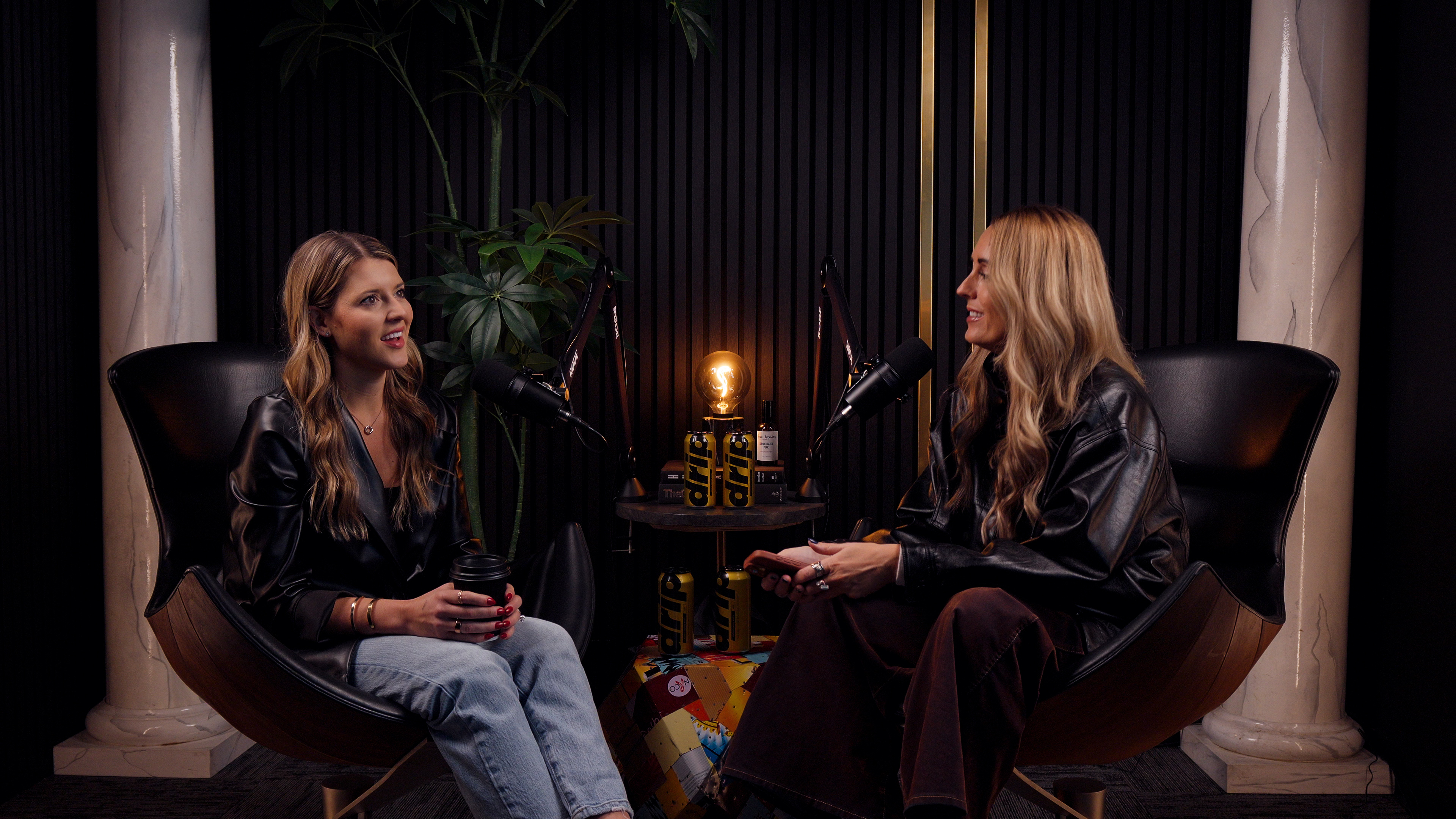
Our Showit team got the opportunity to chat with Staci Brucks, a destination wedding photographer and Nikon Creator, at WPPI (Wedding & Portrait Photographers International’s annual conference), and her answer boiled down to something refreshingly unglamorous and uncomplicated. Consistency, relationships, and systems, no paid ads or expensive PR agency. Just a handful of practices anyone can start this week.
Below, we’ve pulled the practical, actionable pieces out of that conversation and turned them into a plan you can use, whether you’re a wedding photographer, a web designer, or any small business owner trying to get your name in front of the right people.
Post Consistently on the Free Platforms You Already Have
You don’t need a marketing budget to build visibility. You need consistency on the platforms you’re already using.
Brucks doesn’t pay to be part of paid photographer directories or publication placements. She uses Instagram, TikTok, Facebook, and Pinterest, all free, and posts consistently. That’s the whole strategy. No growth hacks, no paid boosts.
Here’s what “consistency” actually looks like in practice.
- Set a realistic cadence and stick to it. Three posts a week beats one great post a month. Momentum matters more than perfection.
- Build client permission into your contract. Brucks includes a clause allowing her to post client work, which means she never has to scramble for content or ask permission after the fact. If you don’t have this in your contract yet, add it before your next booking.
- Batch your captions. One of the biggest reasons people fall off a posting schedule is getting stuck staring at a blank caption box. Set aside 30 minutes once a week to write captions for everything you plan to post, so publishing day is just hitting “share.”
- Revisit your strategy annually. Brucks reviews her own approach every year and adjusts. What worked last year isn’t necessarily the plan for this year. Block 30 minutes at the start of each year (or quarter) to look at what actually got engagement and double down on it.
Your visibility strategy shouldn’t depend entirely on any single platform. Ask yourself, if every social platform disappeared tomorrow, would your business still get referrals? If the answer is no, that’s a sign to build more of the strategies below.
Turn Every In-Person Interaction Into a Referral Opportunity
Visibility isn’t only digital. Some of the best referral sources are the people standing in the room with you, literally.
Brucks pointed out that at a typical wedding with a large bridal party, dozens of guests watch a photographer work throughout the day. Every one of those guests is a potential referral. How you show up, calm, kind, present, becomes part of your marketing whether you’re trying or not.
Treat every wedding, session, or client interaction as a room full of potential future clients, not just the one you’re being paid by. A few ways to act on this.
- Introduce yourself briefly to key vendors on-site (planner, DJ, caterer) if you haven’t worked with them before.
- Follow up with a short, genuine thank-you message to vendors within a week of the event, not a generic template.
- If a guest compliments your work during the event, hand them a business card or tell them where to find you online. Don’t rely on them remembering your name.
Build a Referral Loop With Free Value (Not Free Work)
This is the most concrete, repeatable strategy in the whole conversation, and it’s worth stealing outright.
Brucks reached out to a local studio she already had a relationship with and proposed a free headshot and branding day for wedding vendors in her network, planners, florists, other small business owners she wanted to work with more. The studio donated the space in exchange for content. She donated her time in exchange for goodwill and referrals. She capped it at two three-hour blocks so it stayed manageable.
Here’s the formula, broken down so you can replicate it.
- Identify vendors you already respect and want more referrals from. Don’t guess, make an actual list of 10-15 names.
- Find a space partner. Ask a studio, venue, or business owner if they’ll donate space in exchange for content and exposure.
- Set a hard time limit. Two sessions of 3 hours each is plenty. This isn’t about giving away unlimited free work, it’s a targeted marketing investment.
- Personally invite people. Brucks didn’t post this publicly. She reached out directly to the specific vendors she wanted to build relationships with, which made the offer feel intentional rather than a mass giveaway.
- Let the content do double duty. Vendors get professional photos, you get portfolio content and social proof that leads back to referrals down the line.
This works because it’s specific, time-boxed, and targeted at people who can actually send you business, not a vague “free mini sessions for everyone” post that attracts bargain hunters.
Get Foundational Business Systems in Place Early
This is probably good advice for pretty much any area of life, including business. Think about it. Talent will get you started, but the systems you have, or don’t have, in place will keep you in business.
Three systems worth prioritizing, even on a tight budget.
- A CPA. Brucks describes being overwhelmed by taxes early on and finally hiring a CPA who didn’t just do her taxes but taught her the process. If the idea of self-employment tax makes your stomach drop, that discomfort is a signal to get help now rather than in two years when it’s more complicated and more expensive to untangle.
- A CRM (Customer Relationship Management platform). This is the tool that organizes your leads, contracts, invoices, and client communication in one place instead of scattered across email, texts, and sticky notes. You don’t need the most expensive option on the market, you need one that keeps your client pipeline visible and prevents things from falling through the cracks.
- A dedicated business credit card. Separating business and personal expenses from day one means tax time becomes a matter of pulling a categorized list instead of reconstructing a year of transactions from memory. Brucks specifically calls this out as something that made her life “so much easier.”
Every one of these tools exists to free up your time and mental bandwidth so you can focus on the work that actually grows the business, shooting, meeting clients, building relationships, instead of administrative firefighting.
Set Boundaries So You Don’t Burn Out Before You Get Visible
Visibility only helps if you’re still around to enjoy it. Brucks is direct about this. The thing she had to learn to do wasn’t add more, it was learn to say no.
After her first WPPI, she said yes to nearly every opportunity that came her way, then found herself overcommitted months later. Her fix wasn’t complicated. She started telling people, “I support you, but let’s circle back to that later,” instead of immediately saying yes to everything.
A simple framework for protecting your time.
- Before saying yes to a new opportunity, ask does this align with what I’m already building, or does it just sound exciting in the moment.
- If you’re not sure, it’s okay to say “let me get back to you” instead of committing on the spot.
- Reframe declining an opportunity as a scheduling decision, not a rejection of the person. “Not right now” keeps the relationship intact.
Overcommitting and delivering late or half-finished work damages the same reputation you’re trying to build visibility for. This isn’t just self-care advice, it’s a practical business decision.
Your 90-Day Action Step
If all of this feels like a lot, start with one thing. Pick a small (your one thing?, shoutout to our recent interview with author Jay Papasan), specific group of people you want to reach out to, and do it in the next 90 days.
That might mean.
- Direct-messaging three vendors you’d like to collaborate with.
- Proposing a small version of the free-value session above with a single local business partner.
- Reaching out to a planner or past client you haven’t followed up with.
The common thread in Brucks’s approach isn’t any single tactic. It’s that she treats visibility as something built through direct, personal outreach and consistent small actions, not a single viral post or expensive ad campaign.
Our Takeaway
There’s something really refreshing about talking to someone who just has no agenda other than being genuinely good at what they do and good to the people around them. That’s Staci. And this conversation left me feeling all the things, inspired, a little challenged, and honestly just reminded of some basics that are easy to forget when you’re deep in the noise of running a business.
What struck me first is that Staci came from nowhere near this industry. No photography background, no business background, just a piggy bank full of coins she’d been saving since college and a trainer who told her she might regret not trying. That origin story matters because everything she’s built has been earned through pure intentionality and showing up, not connections she was handed, not a following she was born into. She figured it out by being curious, asking questions, and refusing to stop until she understood something.
The visibility conversation hit home, not because it was revolutionary, but because it was a good reminder that the fundamentals still work. Consistency, relationships, showing up at the wedding and understanding that every single person in that room is watching you. That’s not a strategy most people talk about anymore because it’s not flashy, but it’s real. Staci does free headshots for her vendor community just to give back and stay connected, and then acts genuinely surprised when it comes back around to her. That’s not naivety, that’s just a person who leads with generosity and trusts the process.
The boundaries piece is where I felt a little called out. Staci is a yes person by nature, she says it herself, and she had to learn the hard way that not every opportunity deserves a yes, especially when saying yes to the wrong things means saying no to your own momentum. Knowing when to circle back later instead of overcommitting in the moment is a skill. She’s still learning it and was honest about that, which I appreciated.
And then mindset. She said it was the most important thing, more than marketing, more than systems, more than any tool or platform. Everything trickles from there. You can have a CRM and a CPA and a perfectly optimized contact form, but if you’re getting in your own way, none of it matters. Staci’s not complicated about this. She just takes care of herself first so she has something left to give everyone else. Simple. Hard. Worth it.
Her closing advice was just this. Do the scary thing. Buy the plane ticket. Go up to the person. Be bold. It sounds simple because it is, but it’s also exactly the thing most people are waiting to feel ready for before they do it. Staci’s whole story is proof that ready is not a requirement.
– Jamie
Where Your Website Fits Into All of This
Every referral, every DM, every vendor who wants to send a client your way needs somewhere to land. Your social posts and word-of-mouth conversations create the moment of interest, but your website is what turns that interest into a booked client. If your site doesn’t clearly show your work and make it easy to reach you, all that relationship-building traffic has nowhere to go.
Showit gives you the drag-and-drop design freedom to build a portfolio site that actually reflects your work, no templates fighting your style, no code slowing you down, just a site that matches the caliber of the referrals you’re working so hard to earn. Ready to give your visibility efforts a landing page worth sending people to? Try Showit free for 14 days and see why thousands of photographers and small business owners trust it to turn connections into clients.