Load Newsreader Bold Font
We know what you might be thinking: “Do you need a website in 2026? I’m on every social media platform.”
You aren't wrong to wonder that, social platforms keep adding features, AI search is changing how people discover content, and some businesses out there are operating almost entirely through Instagram or TikTok. All of that leads folks to ask the question, “do I really need to invest time into this whole website thing?”.
The short answer? Yes! In 2026, websites aren’t any less important. They’re becoming more strategic.
A website isn’t just another online profile the way social media is. It’s a digital asset that you own that nobody can take it away from you by shifting a merciless algorithm or changing the trend of which platform everyone is using.
More importantly, it’s your digital hub that supports every other marketing channel you use. Those channels might be the social media platforms that are more shiny and exciting than a website. It might be the emails you blast out to all your subscribers.
TL;DR: Do You Need a Website in 2026?
Yep. You still need a website in 2026 even if social media is your main thing. Your website is the one place online you actually own, and it’s what helps people find you (SEO), trust you, and take action.
Here’s the quick version:
- Social gets attention. Your website gets conversions.
- A website helps you show up in search, not just feeds.
- It builds credibility with proof (testimonials, pricing, portfolio, details).
- It captures leads and supports sales/booking, even when you’re offline.
- It gives you real data so you can improve what’s working.
- A strong site also helps you stay visible as AI search keeps evolving.
If you’re relying only on social, you’re depending on algorithms to behave—and they don’t. A website is still the safest, smartest hub for your business.

Here’s Why You Need a Website in 2026
So we’ve established a website is important. But really, why? Here are a few specific reasons you still need a website in 2026:
A Website is Your Digital Home, Not a Rented Space
Your website is one of the few places online that you truly own. You control the content, layout, messaging, data, and overall experience. Your domain belongs to you, and your site exists independently of any platform’s rules or algorithms.
Social media, on the other hand, is rented space. Algorithms change. Reach fluctuates. Accounts get limited or suspended. Visibility can disappear overnight, even if you’ve done everything right.
A website gives your business stability. No matter what happens elsewhere, it remains a consistent, discoverable home for your brand.
Having a Website Lets You Create Organic Traffic
If someone searches for your services on Google or another search engine, a website is how you show up.
Only websites can rank organically in search results. Social posts are fleeting, but SEO-focused pages, like blogs, service pages, and resources, can attract high-intent traffic for months or even years.
People searching are already looking for a solution. A well-optimized website allows you to meet them at exactly the right moment.
Unlike social content that requires constant posting to stay visible, SEO works quietly in the background, driving traffic 24/7.
Example: a wedding photographer can rank for ‘Phoenix wedding photographer’ or ‘best wedding venues in Phoenix’ and get inquiries without posting every day.
Websites Give You Competitive Credibility and Trust
Whether we like it or not, people expect legitimate businesses to have websites. A website signals professionalism and permanence, which translates to trust. A website is where visitors look for proof, such as case studies, testimonials, portfolios, service details, pricing information, and clear explanations.
While social media is great for personality and connection, it’s not built for structured credibility. Websites allow you to organize information in a way that feels intentional and reassuring.
Example: a visitor might check your pricing, read 2–3 testimonials, then click ‘Book a Call.’ That’s hard to replicate in a social bio.
A Website Offers Better Conversion and Lead Capture
Social media is excellent for awareness, but websites are where decisions happen. On your site, you can:
- Design clear user journeys
- Place intentional calls to action
- Capture leads through forms and funnels
- Guide visitors toward booking, purchasing, or contacting you
Many businesses see stronger conversion rates once traffic moves from social platforms to a dedicated website experience. That’s because websites are designed to reduce friction and support focused decision-making.
Example CTAs that actually convert: ‘Check availability,’ ‘Get a quote,’ ‘Download the pricing guide,’ ‘Book your consult.’
A Website let's You Create Automated and Scalable Sales
Your website works even when you’re offline. You have contact forms, booking systems, e-commerce, and digital downloads. With all these features, a well-built site will generate leads and sales around the clock.
This level of automation lets your business scale without requiring constant manual effort. That’s something social platforms alone can’t reliably provide.
You Get Analytics, Data, and Strategic Insights
Websites offer depth of insight that social platforms simply don’t. With proper analytics in place, you can see:
- How visitors move through your site
- Where they drop off
- Which pages convert best
- What content drives the most traffic
This data helps you make smarter decisions, refine your messaging, and invest in strategies that actually deliver ROI.
Example: if your most-visited page is your pricing page but people aren’t contacting you, you know exactly what to fix.
You Can Future-Proof It for AI and New Discovery Technologies
Search is changing fast. AI assistants, voice search, and answer-based discovery are becoming part of how people find information. Well-structured websites with strong SEO foundations are more likely to be referenced and cited by these emerging tools, which leads to visibility.
In other words, your website isn’t just for today’s search engines. It’s how you stay visible as discovery evolves.

Social Media + Website = The Best Combination
The thing is, this isn’t an either-or conversation. Social media is powerful for reach, visibility, and engagement. A website is where that attention turns into action.
Social platforms spark interest. Your website anchors your brand and builds trust. Social media can guide your followers or fans to your website, and then your website can guide those visitors toward meaningful next steps (sales). Together, they create a stronger, more resilient digital presence.
Here's What You Risk by Not Having a Website!
We’ve covered the reasons you need a website. But on the flip side, what happens if you don’t have one? It’ll depend on your specific needs, but generally speaking, it could hurt you. Without a website, businesses often face:
- Lower perceived credibility
- Missed organic search opportunities
- Higher reliance on paid ads
- Dependence on unpredictable algorithms
- Limited ability to guide customers through intentional journeys
Over time, these gaps compound, making growth harder and more expensive.
How to Build (or Update) a Website for 2026
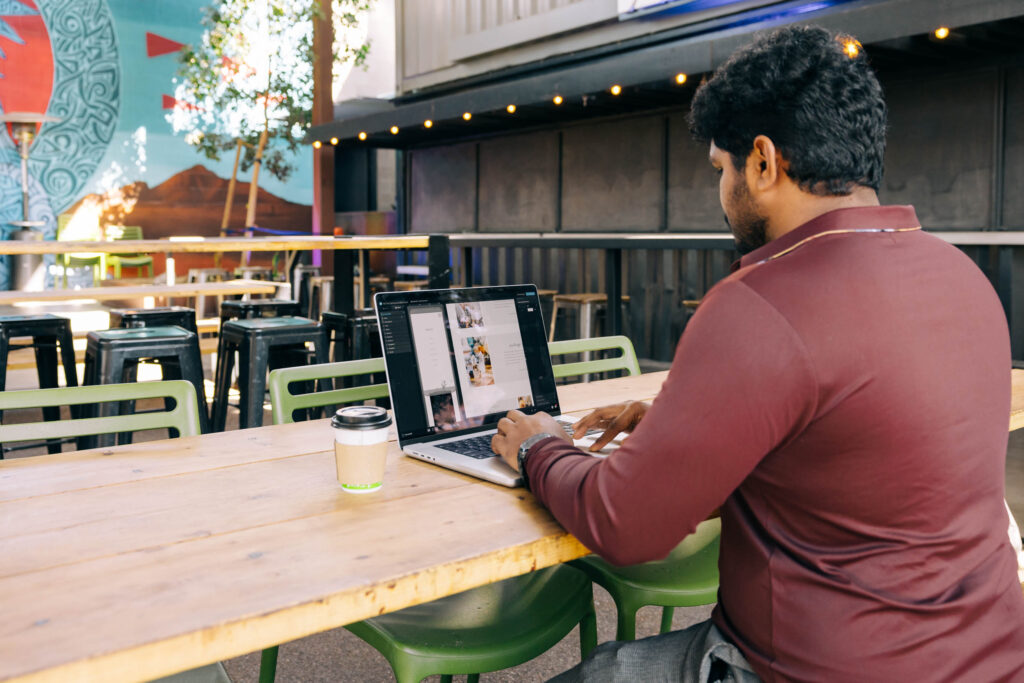
Whether you’re starting fresh or want to refresh your current website, focus on the fundamentals:
- Define clear goals before building or redesigning
- Prioritize SEO from the beginning (keywords, structure, metadata) with tools like Ahrefs or Keywords Everywhere
- Design mobile-first and optimize for speed
- Use clear CTAs, forms, and automated workflows
- Track performance and iterate based on real data from tools like Google Analytics, or Google Search Console
A website doesn’t need to be complicated, but it does need to be intentional.
Common Website Mistakes to Avoid in 2026
A website can look amazing and still not do its job. If your site isn’t getting inquiries, bookings, or sales, it’s usually not because you “need a total rebrand.” It’s usually one of these fixes.
- Your homepage doesn’t say what you do (fast). If someone lands and can’t tell what you offer in 5 seconds, they’re out.
- Too many calls to action. If every button is screaming, people click none. Pick one main next step per page.
- It looks fine on desktop… but messy on mobile. Tiny buttons, weird spacing, hard-to-read text = lost leads.
- Your site is slow. Big images, bloated pages, and slow load times make people bounce (and it doesn’t help SEO either).
- Your navigation is confusing. If people can’t quickly find services, pricing, or contact info, they won’t stick around.
- No proof = no trust. Missing testimonials, portfolio, reviews, or clear “here’s how it works” details makes visitors hesitate.
- You’re relying on “DM me” as the main conversion path. DMs are fine, but forms and booking links scale way better.
- You’re not tracking anything. Without analytics, you’re guessing what pages are working and what’s leaking leads.
Do I Need a Website FAQs
Do you need a website if you’re just starting out?
Honestly, yes. You don’t need a huge site, but you do need a real home base. A simple site (even just a homepage + services + contact) makes you look legit from day one—and it gives you something solid to link to everywhere.
Do you need a website if you’re a service-based business?
Yes, because people need a place to quickly understand what you do, see proof, and contact you. For service businesses, your website is basically your “salesperson that doesn’t sleep.” It answers questions, builds trust, and helps people book you without DM’ing back and forth.
Do you need a website for a small business?
Maybe even more than bigger businesses. A website helps you look legit, show up in search, and explain what you do clearly (without someone having to scroll through 200 posts to figure it out).
Do you need a website if you get most of your clients from referrals?
It’s still a smart move. Referrals don’t always convert instantly—people usually Google you first. A website helps referrals feel confident, see your work/services fast, and contact you without jumping through hoops.
Do you need a website if you sell on Etsy, Shopify, or another platform?
You can sell without one, but having a website makes you less dependent on a single platform. It’s also a place to build your brand, grow an email list, and create a long-term audience you can reach anytime.
Can you rank on Google without a website?
Not really in a reliable way. Social profiles can show up sometimes, but if you want consistent search traffic, your best bet is a website with SEO-friendly pages (like service pages, blog posts, and helpful resources).
What should a website include in 2026?
At minimum:
- A clear homepage (who you are + what you do + who it’s for)
- A services/products page
- A contact page (or booking link)
- Testimonials or proof (reviews, portfolio, case studies)
- A mobile-friendly design that loads fast
What if I don’t have time to build a full website?
Start small. A simple 1–3 page site is better than nothing. You can build a basic home base now and add pages (or a blog) later as you grow.
What’s the easiest way to build a website if you’re not “techy”?
Use a platform that doesn’t make you fight for your life every time you want to change something. If you want something flexible and design-friendly, Showit is a great option, especially if you care about how your site looks and feels.
Yes, You Do Need a Website in 2026
In 2026, your website remains the center of your digital ecosystem. It’s where visibility, credibility, and conversions come together, supporting every other platform you use.
Take time to audit your current website for SEO, performance, and brand alignment. Or if you don’t have one yet, consider this your sign to build a digital home that truly supports your business. You can sign up for a free trial, no strings attached with Showit and start designing today.