Load Newsreader Bold Font
There’s a moment in every photographer’s business (and probably every small business owner’s business) where the work is good but the bookings don’t seem to come through.
Most photographers assume it’s a skill problem, or something to do with marketing or pricing, but usually it’s none of those. The #1 reason talented photographers don’t book clients is brand clarity, or, the lack of it.
At WPPI this year, we got to sit down with D’Arcy Benincosa, a photographer and business coach who has helped thousands of creatives build profitable brands. She grew her own photography business from $16,000 to six figures in under a year.
Here’s what we took away from that conversation.
What You’ll Learn
If you take one thing from this post, let it be this: the work you do behind the camera matters, but the brand you build around it is what gets you booked. Here’s a quick summary of the most actionable lessons:
- Brand restraint creates clarity. A cohesive brand with a clear through-line will always outperform a website that tries to show everything. Choose what you’re best at and let the rest go.
- Your portfolio should be curated, not collected. Narrow your homepage to images that tell one unified story. If you can’t be objective about your own work, bring in someone who can.
- Positioning is emotional, not logistical. Clients are buying how you make them feel, not a list of deliverables. Build your brand around status, experience, and emotion.
- Story, Style, Structure, and Sales work together. If one is out of alignment, the whole brand feels off. Start with your story and build outward.
- Value is built through experience, not just photos. Every touchpoint, from the first email to the final gallery delivery, either raises or lowers your perceived value.
- Gen Z clients want trust and authenticity. Behind-the-scenes content, full galleries, and real emotional moments build more trust than polished marketing.
- Luxury marketing is desire-driven. If you want luxury clients, stop leading with pain points. Lead with aspiration.
- When you feel stuck, get quiet. Step away from social media, reconnect with your own creativity, and start with one practical thing: a headshot that matches the brand you’re building toward.
How Does Brand Restraint Help Photographers Attract the Right Clients?
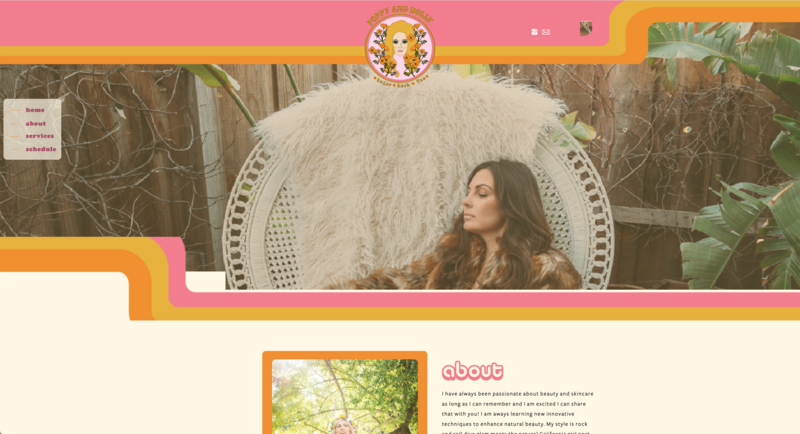
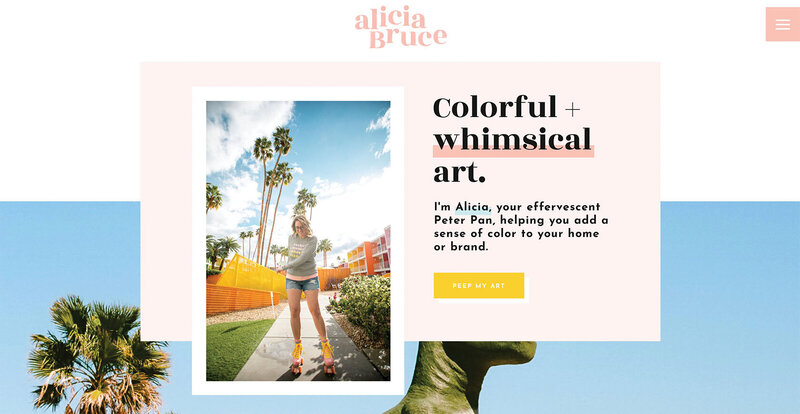
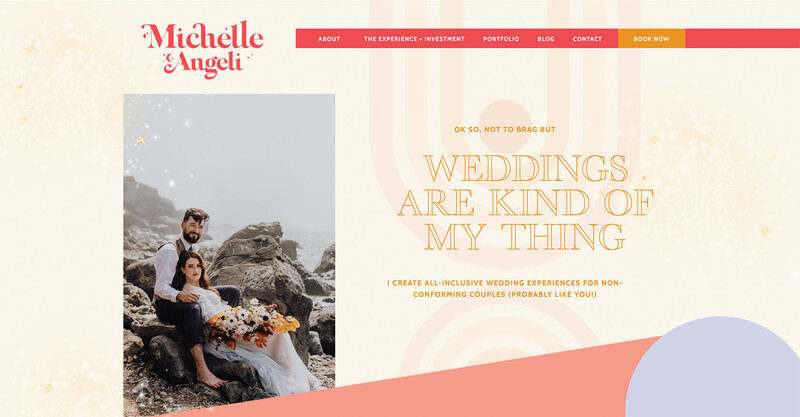
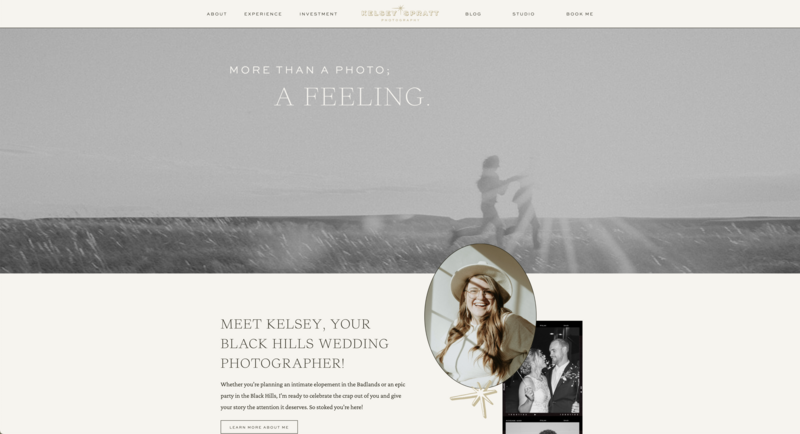
If you’re a photographer wondering whether to post family photos, weddings, and branding work all on the same website… the answer is probably no. Not because you can’t shoot all of those things (again, this isn’t about skill), but because without one clear direction, none of it sticks.
Think of a magazine like Harper’s Bazaar. It isn’t all fashion editorials, but everything still feels cohesive. That’s what restraint looks like in practice, choosing the best of what you do and letting the rest go.
We know it’s hard, and probably easier to write it than actually do it, but creatives tend to want to show everything all at once. But a website that tries to be for everyone ends up being clear to no one. When potential clients land on your site and can’t immediately tell if you’re for them, they leave.
D’Arcy said, “If you’re someone’s photographer, you’re also not someone else’s photographer.” That scares people because it triggers scarcity. But it’s also the thing that makes a brand clear.
Even D’Arcy, whose strength is branding, hired a brand strategist for her own rebrand. “We don’t brand alone,” she said. That’s such a good reminder because a lot of the time, it’s hard to see your own magic.
How Do You Choose the Right Photos for Your Photography Homepage?
The images you love the most often aren’t the ones that should be on your homepage. A lot of photographers don’t realize that.
Photographers get emotionally attached to images because they remember the feeling of the moment (I know this first hand).
But the reality is that the viewer doesn’t have your context. The image has to carry the emotion on its own, and sometimes it just… doesn’t.
D’Arcy shared that she works with private clients to narrow their top 100 images down to 10. And the final selections almost always surprise the photographer. She’ll choose an image they never even considered and say, “That’s the shot.”
The pattern she sees over and over is photographers selecting with no filter. “That’s cool, that’s cool, that’s cool.” But cool isn’t a brand. Cool without cohesion just creates confusion.
If every image on your homepage doesn’t point in the same direction, you don’t have a portfolio, you have a mood board.
And if you can’t tell which images those are? That’s normal, get someone who can help you choose.
What Is Brand Positioning for Photographers?
Brand positioning for photographers is how potential clients perceive you before they ever reach out. It’s not your logo, your services, or your “about me” page. It’s the feeling someone gets when they land on your site and decide within seconds if you’re the right fit.
This might be the biggest disconnect in the photography industry right now. Most photographers think positioning means listing what’s in the package, 8 hours, 1,000 images, an album included. But clients aren’t buying deliverables as much as they’re buying status, experience, legacy, and emotion.
If working with you makes someone feel elevated, you can charge more. Think about brands like Chanel or Louis Vuitton. People feel different carrying those brands. That feeling is the product.
And yet so many proposals are just lists of assets, with no story behind them.
Then they wonder why they’re not booking. The story is missing, that’s usually it.
Part of the problem is that photographers copy each other because they’re terrified they don’t have something unique. But everyone does, it just takes the right eye to find it.
That’s where a brand strategist becomes worth every penny. As D’Arcy put it, you go from looking like “the sweet girl with a camera in a field” to looking like an actual brand.
What Are the 4 Pillars of a Photography Brand That Books?
Photographers think they have a marketing problem but they usually have a misalignment problem.
Here’s a framework that can help you figure out where the gap is.
- Story comes first. Strong stories build strong brands. Your story doesn’t have to be dramatic. It just has to be honest, emotionally resonant, and aligned with your values. Today’s clients, especially Gen Z, care deeply about value alignment. They want to know who you are and what you stand for.
- Then comes style. Your branding, colors, fonts, website design, and visual identity. This is the feeling people get before they read a single word on your site.
- After that is structure. What you sell, how you package it, how your funnels work, and how clients move through your ecosystem.
- And finally, sales. Learning to confidently say your number without flinching.
D’Arcy shared that the first $30,000 contract she booked changed everything for her. Two weeks later, she booked another one, and it came so much easier. The first leap is always the hardest, isn’t it?
Pricing isn’t really about the number. It’s about whether the story behind it holds up, and that story starts with you believing in your own worth.
What Raises (and Lowers) Your Perceived Value
Every photographer should sit with this for a minute.
Here’s what lowers your value.
- Discounting
- Chaotic branding
- Poor communication
- Inconsistency
- Fear-based marketing
Here’s what raises your value.
- Professionalism
- Trust
- Customization
- Refined aesthetics
- A strong client experience
- Social proof
- Longevity
For her luxury wedding clients, D’Arcy has 27 touchpoints throughout their experience. Every email is intentional, and every interaction reinforces trust and care. That’s what creates value, not just taking good photos.
Value isn’t just about the final gallery, it’s also about the whole experience someone has when they work with you.
How to Market Your Photography Business to Gen Z Clients
If you’re marketing to the next generation of clients, the playbook has changed and you’re the one who needs to adapt.
Gen Z values inclusivity, diversity, ethics, sustainability, emotional safety, and authenticity. Pressure tactics don’t work with them. They want to hire someone they can trust, and they can spot inauthenticity fast.
That means showing full galleries, sharing behind-the-scenes content, posting emotional testimonials, and documenting real reactions. The kind of social proof that feels real is more powerful than any polished highlight reel.
If your marketing still relies on urgency and scarcity to drive bookings, It’s worth asking whether that approach is actually building the kind of trust your future clients are looking for.
How Is Luxury Photography Marketing Different from Standard Marketing?
This is one of those lessons that, once you hear it, you can’t unhear it.
Most marketing advice says to speak to your client’s pain points. But luxury clients often don’t have “problems.” Their “problem” is choosing between Prada and Louis Vuitton.
Luxury photography marketing is desire-driven, not problem-driven. It creates aspiration rather than solving frustration. The same photographer might use desire-based copywriting on their wedding site and problem-solution marketing on their education platform. They’re completely different strategies for completely different audiences.
If you’re trying to attract high-end clients but your website copy is built around frustrations and pain points, there might be a disconnect worth a second look.
How to Reinvent Your Photography Brand in 90 Days
If you had 90 days to reinvent your brand, what would be your very first step?
A good first step is to get off social media.
You can’t work on your own creativity while consuming everyone else’s. Go walk outside, leave your phone behind, and sit in the grass. The answers come when you stop drowning in comparison.
When creatives feel stuck, it’s usually not because they’ve stopped working hard enough. It’s because they’ve stopped listening to themselves.
And on a practical level? Take a look at your headshot. If it doesn’t match the kind of work you want to book, that’s a brand disconnect hiding in plain sight.
The Shot You’re Chasing Might Not Be the One You Need
At WPPI, D’Arcy shared a story about Annie Leibovitz photographing Nancy Pelosi. Annie kept missing the shot because Pelosi was always walking away from her. Day after day, she was constantly behind her. And eventually Annie realized, that was the photo.
I think there’s something in that for all of us. The thing we keep chasing isn’t always the thing we need – sometimes the work is in recognizing what’s already right in front of us.
And that kinda applies to brands too. The magic might already be there, you just need someone to help you see it.